
Well-managed bale silage systems achieve total dry matter losses of 5 to 8 percent from standing crop to fed bale. Poorly managed systems lose 15 to 30 percent — the equivalent of discarding one bale in every four to six produced. The difference is not luck or climate; it is the cumulative effect of decisions made at each stage of the process.
Stage 1: Minimise Field Respiration During Wilting
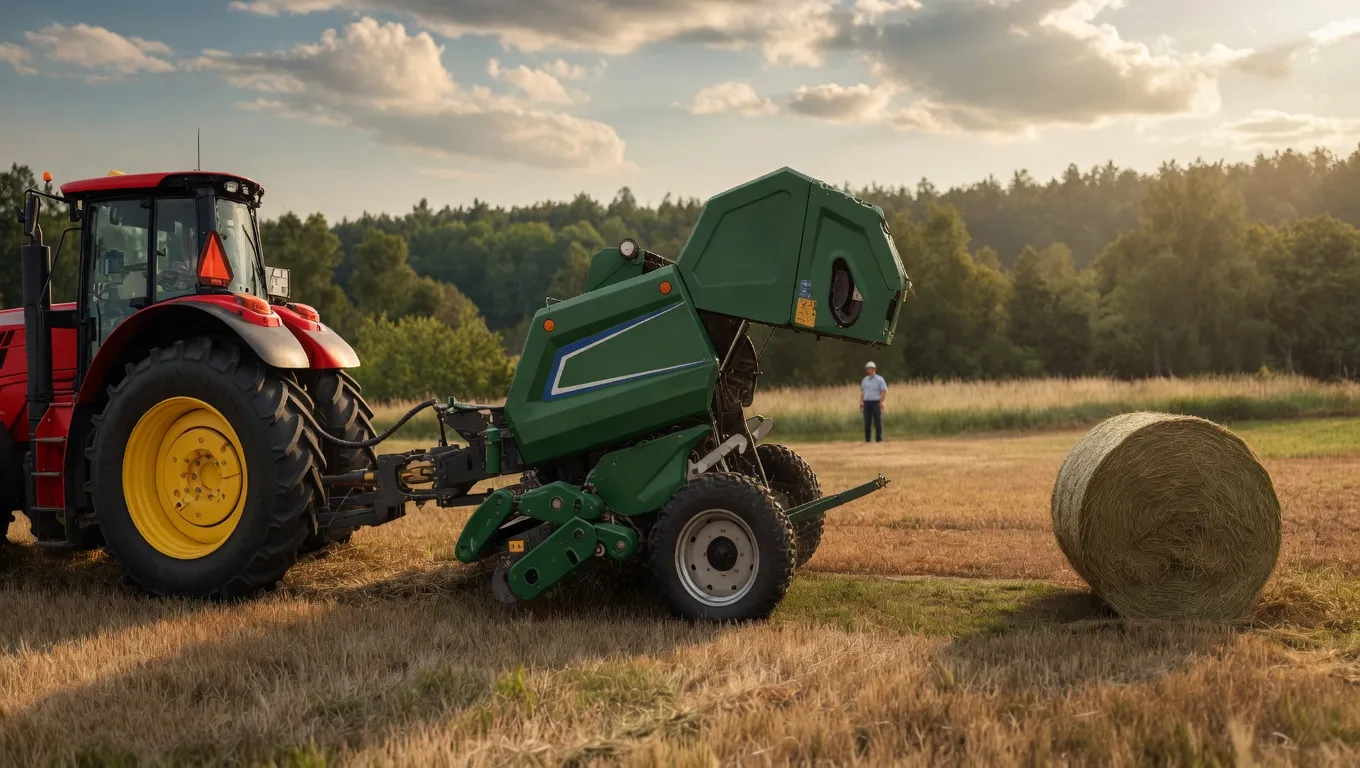
From the moment the crop is mown, the living plant cells continue to respire, consuming stored sugars and releasing carbon dioxide. This respiration continues until the moisture drops below approximately 40 percent or until anaerobic conditions are established inside the wrapped bale. Every hour in the paddock costs dry matter. The strategy is to reach the target moisture (45 to 65 percent) as quickly as possible. Use a mower-conditioner to crack stems and accelerate drying. Ted the swath within 2 to 4 hours of mowing if conditions allow. Monitor weather forecasts to avoid mowing before rain. In ideal conditions (warm, dry, moderate wind), wilting to target moisture takes 12 to 24 hours. In cool or humid conditions, it can take 36 to 48 hours. The longer the wilt, the more dry matter is consumed by respiration — typically 2 to 3 percent per day of field exposure.
Stage 2: Reduce Leaf Shatter During Mechanical Handling
Leaf tissue is the most nutritious part of the forage plant and also the most fragile once partially dried. Over-tedding, aggressive raking, or operating mechanical equipment at excessive speed shatters dried leaves and leaves them on the paddock floor where they cannot be collected by the baler pickup. Leaf shatter losses of 3 to 5 percent are common with lucerne (alfalfa) and other legumes that have fragile dried leaves. The mitigation strategy is to ted only when necessary, reduce tedder and rake ground speed, and time raking for early morning when residual dew softens the leaves slightly and reduces brittleness. For grasses with more robust leaf structure, leaf shatter is less severe but still measurable at 1 to 2 percent.
Stage 3: Avoid Rain Damage to Wilting Forage
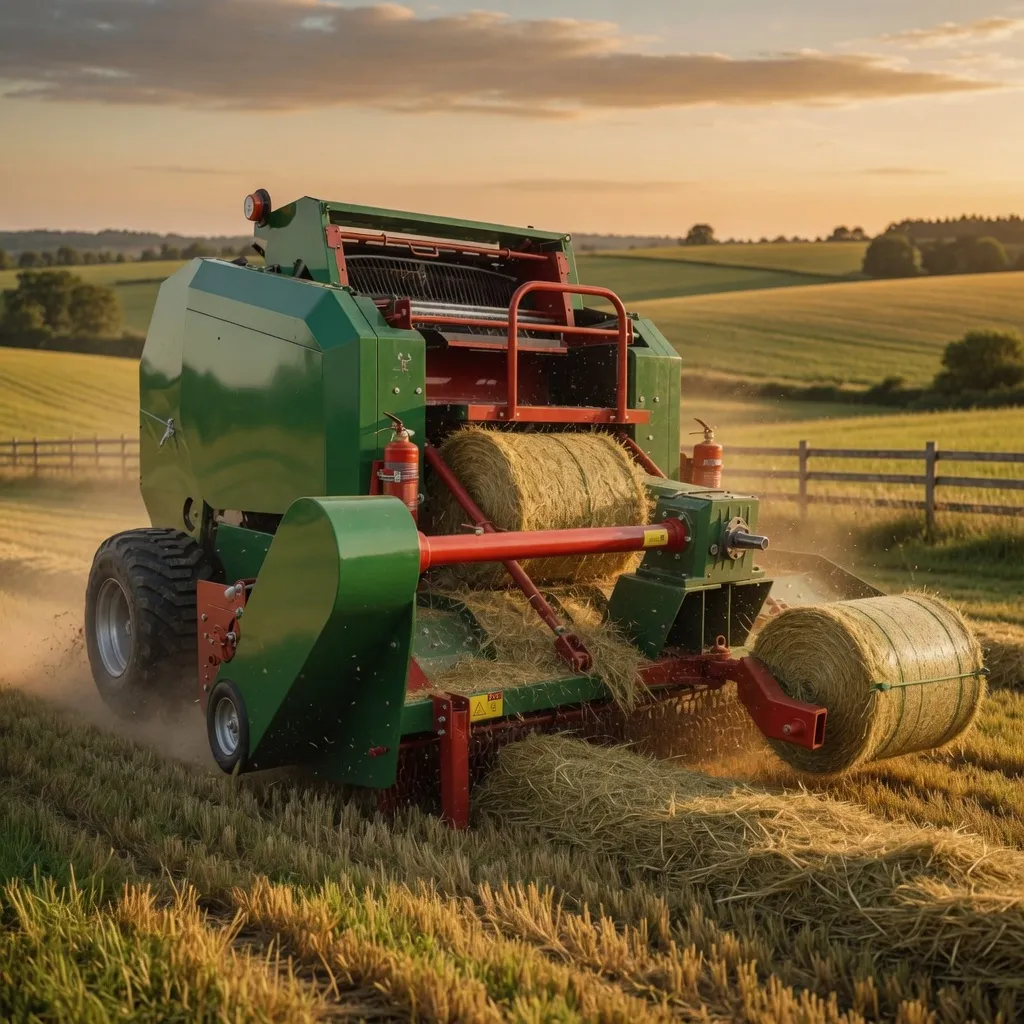
Rain on wilting forage is one of the most damaging events in the silage production chain. Rainfall washes water-soluble sugars from the plant surface, reducing the substrate available for lactic acid fermentation. It re-wets the crop, extending the wilting period and increasing total respiration losses. It also leaches minerals and vitamins, reducing the nutritional value of the finished silage. A single 10mm rain event on a partially wilted swath can increase total dry matter loss by 5 to 10 percent and significantly reduce silage fermentation quality. The only reliable mitigation is to monitor weather forecasts before mowing and plan the mowing-to-baling sequence within a confirmed dry weather window.
Stage 4: Optimise Baler Pickup Efficiency
Material that the baler pickup fails to collect from the windrow is permanently lost. Pickup losses of 1 to 3 percent are typical and are caused by pickup tines set too high (skimming over the windrow), broken or missing tines creating gaps in the pickup path, and excessive forward speed that causes material to spill outside the pickup width. The round baler pickup should be set so the tine tips operate 25 to 40mm above ground level on flat terrain. All tines should be present and undamaged. Forward speed should match the windrow density — heavier windrows require slower forward speed to allow the pickup to process the volume without spillage.
Stage 5: Eliminate the Pre-Wrap Aerobic Window
The period between bale ejection and film application is pure aerobic loss. Aerobic organisms inside the unwrapped bale consume sugars, generate heat, and decompose plant proteins. Losses of 1 to 2 percent per hour of aerobic exposure are typical in warm conditions. The target is to wrap every bale within 2 hours of ejection. A combined baler wrapper wraps within seconds, reducing this loss stage to near zero. If using a separate wrapper, coordinate the baling and wrapping operations so the wrapper follows the baler in the same paddock rather than returning to wrap after the entire paddock is baled. Never leave bales unwrapped overnight — the cumulative aerobic loss from a 12-hour overnight exposure can exceed 5 percent of the bale’s dry matter.
Stage 6: Accept Fermentation Losses; Optimise Fermentation Quality
Fermentation losses of 2 to 4 percent are inherent to the silage process and cannot be eliminated — the conversion of sugars to lactic acid produces carbon dioxide and water as byproducts, which represent dry matter that exits the bale. However, fermentation losses can be minimised by ensuring the fermentation is dominated by efficient lactic acid bacteria rather than inefficient heterofermentative organisms. The two levers are: baling at the correct moisture (45 to 65 percent provides the water activity that favours lactic acid bacteria) and using a silage inoculant when the crop’s natural lactic acid bacteria population is uncertain (legumes, mixed-species swards, late-season cuts with lower microbial populations)
Stage 7: Protect Film Integrity During Storage
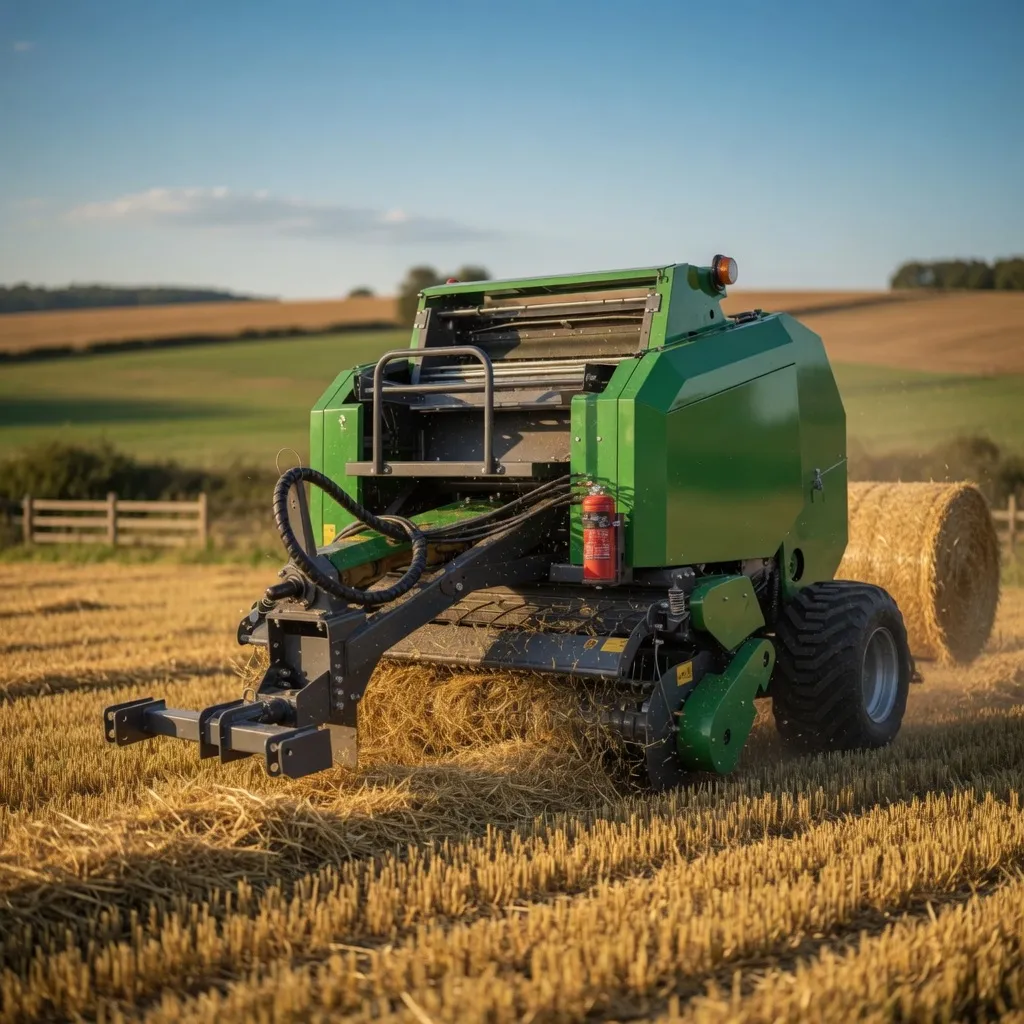
Storage spoilage losses are entirely preventable. Every hole in the film allows oxygen in, activating aerobic spoilage that consumes dry matter. The measures are straightforward: store on a flat, drained surface free of stubble and sharp objects; use bale grabs rather than spikes during handling; apply bird deterrence (netting, visual deterrents, or proximity alarms) at sites with known bird pressure; inspect monthly and repair any punctures immediately with silage-grade tape. For bales in long-term storage, 6 to 8 film layers provide additional insurance against gradual UV degradation of the outer film layers.
Recommended Product: EverPower 9YG-2.24 Round Baler S9000 Beyond
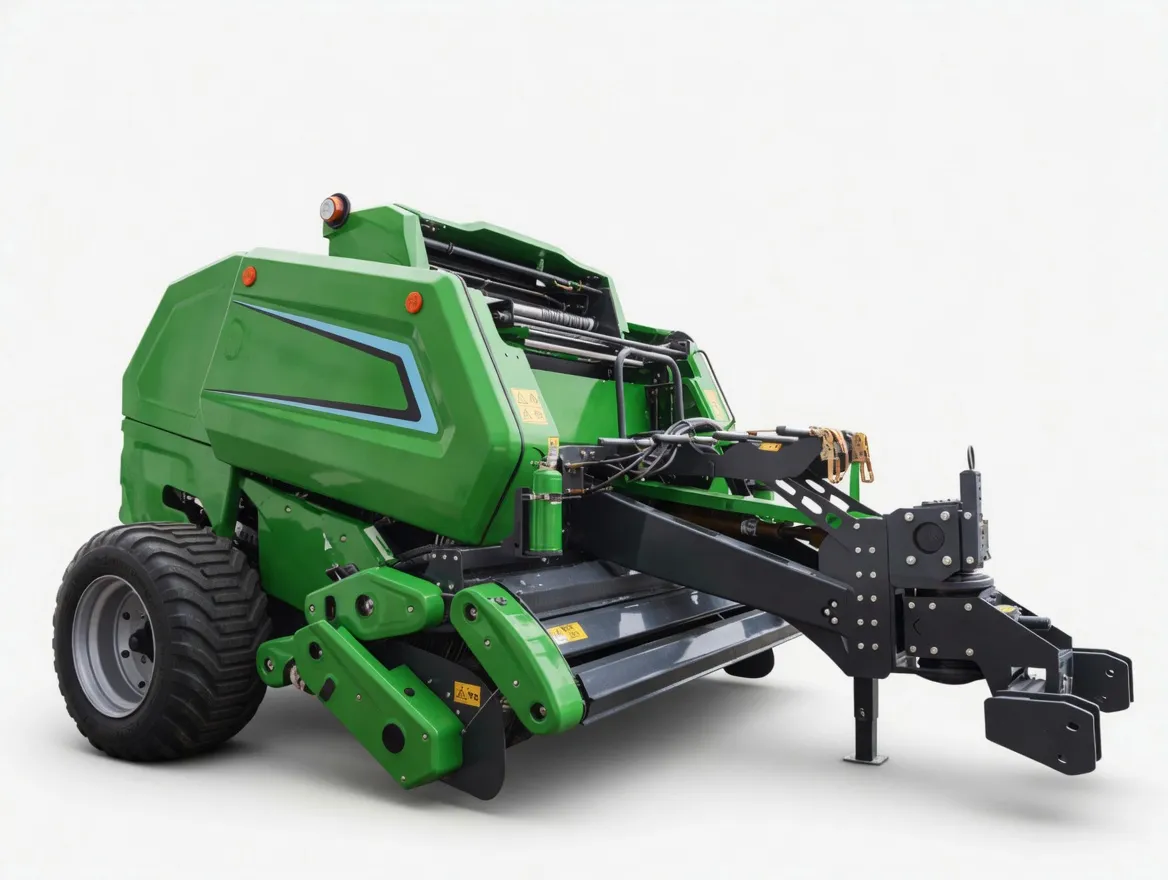
Minimising dry matter loss starts with producing the densest, most uniform bale possible. The EverPower 9YG-2.24 Round Baler S9000 Beyond is the flagship variable chamber model in the range, producing bales up to 1.8m diameter with progressive belt compression that eliminates the soft-core problem responsible for internal spoilage. The high-capacity pickup minimises field spillage, and the rapid bale cycle keeps the operation moving to reduce total paddock exposure time.
Related reading: See practical strategies for handling high-moisture silage crops: How to Handle High-Moisture Silage Crops Without Compromising Bale Quality.
EverPower Baling Machinery Australia Pty Ltd
27 Harley Crescent, Condell Park NSW 2200
+61 2 9708 3322
[email protected]
Frequently Asked Questions
27 Harley Crescent, Condell Park NSW 2200 | +61 2 9708 3322 | [email protected]
About Us | Contact Us