
Choosing a Round Baler for Australia Starts With Understanding Your Operation, Not the Brochure
The Australian round baler market spans machines from compact 1.0-metre-diameter models suited to a 50-cow property with 300 bales per season, through to high-capacity 1.5-metre commercial balers built for contractors producing 15,000 bales per year in mixed hay and silage operations. Buying from the wrong end of this spectrum — a machine that is too small for your peak output requirements, or one that is over-specified with features and capacity that you will never use — is one of the most common and expensive agricultural machinery purchasing mistakes in Australia. This buyer’s guide covers the four decision variables that determine which round baler is right for your operation: annual bale volume, primary crop type and moisture, tractor horsepower, and intended use (hay vs silage vs mixed). Working through these four variables in sequence produces a clear specification that narrows the field to the right size and configuration for your property.
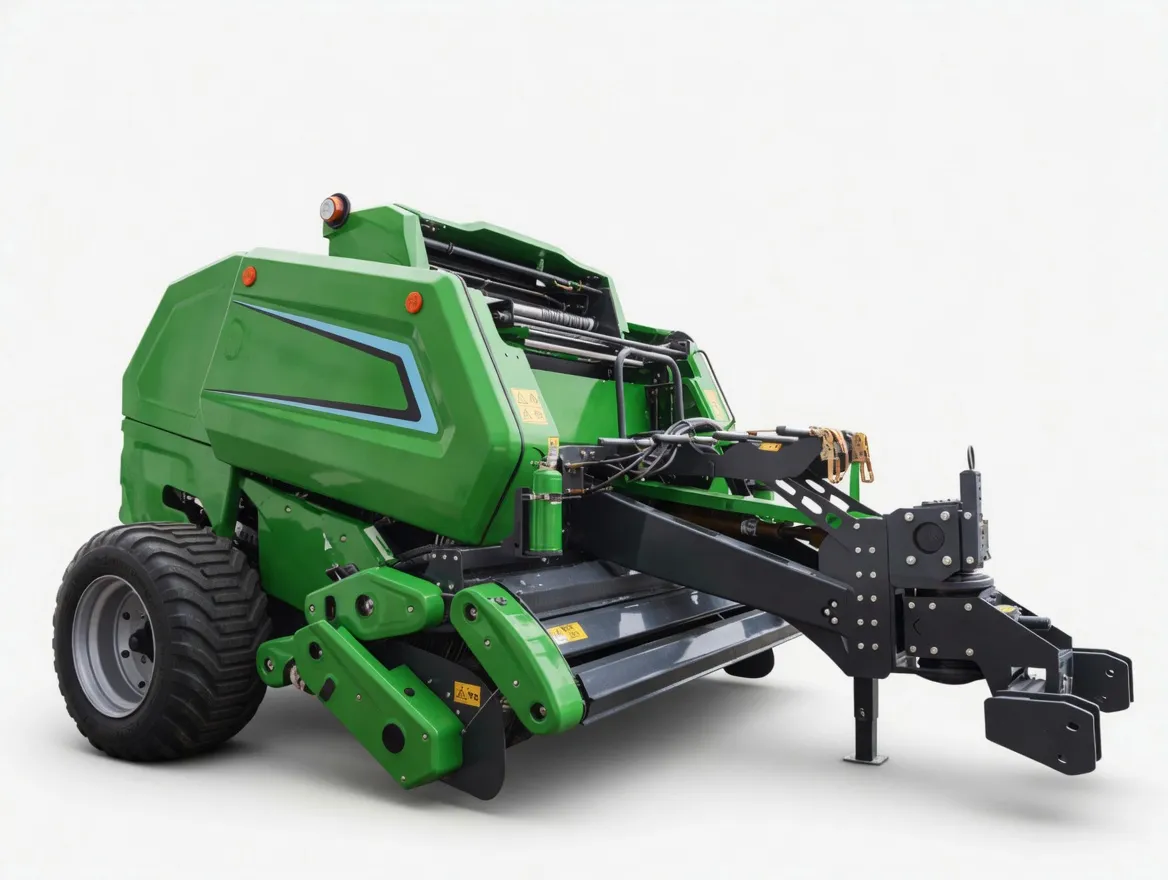
EverPower’s 9YG series covers the full range of Australian round baling requirements — from the compact 9YG-1.0C for small farms to the high-capacity 9YG-2.24D S9000 Beyond for large-scale silage and hay contractors.
Decision Variable 1: Annual Bale Volume
Annual bale volume is the primary sizing variable for a round baler. It determines how much wear the machine accumulates per year, how quickly maintenance items are consumed, and whether a machine’s rated throughput capacity creates production bottlenecks on your peak baling days.
Under 500 bales per year: A small-format baler (0.9–1.0 m diameter, up to 40 HP tractor requirement) is adequate. Annual maintenance costs are low, belt life extends across multiple seasons, and the machine’s simpler design reduces the frequency and cost of service. The 9YG-1.0C is designed for this production range — it produces a consistent 1.0-metre diameter bale across a range of dry hay and moderate-moisture silage crops with a 45–60 HP tractor.
500–3,000 bales per year: A mid-format baler (1.0–1.25 m diameter, 50–80 HP tractor requirement) covers this range and is the most common configuration on Australian mixed hay and livestock farms. The 9YG-1.25A is designed for this volume range — it handles both hay and silage, produces 1.25-metre diameter bales suitable for most livestock feeding systems, and has sufficient throughput capacity to produce 150–250 bales per day on peak season days without being over-specced for the off-peak volume.
Above 3,000 bales per year: A high-capacity baler (1.5–2.24 m diameter, 80–120 HP tractor requirement) is appropriate. At this production volume, the baler accumulates enough bale cycles per year to justify the heavier construction, more robust belt system, and higher-capacity pickup of a commercial-grade machine. The 9YG-2.24D S9000 Beyond is designed for this range — its larger chamber, wider pickup, and hydraulic accumulator tension system maintain output quality across high-volume silage seasons that would stress smaller-format machines.
Decision Variable 2: Primary Crop Type and Moisture
Crop type and moisture determine which baler features provide the most value for your operation. A dairy farm baling high-moisture ryegrass silage at 65–70% moisture has very different requirements from a dryland hay producer baling perennial ryegrass at 12–15% moisture for retail sale.
Dry hay (below 20% moisture): Any format baler handles dry hay effectively. Variable chamber and hydraulic tension are not required — spring tension systems perform adequately with consistent dry crop. Twine is cost-effective over net wrap for pure hay operations. Focus selection on pickup width and throughput capacity relative to your annual volume.
Silage and baleage (35–70% moisture): Variable chamber with hydraulic or spring accumulator tension is strongly recommended. Net wrap is recommended over twine. Higher pickup capacity for heavier wet crop. The 9YG-1.25A and 9YG-2.24D are both configured for silage production with adjustable tension systems that handle moisture variation across a silage paddock.
Mixed hay and silage: The most common Australian scenario. A baler that handles both well is the 9YG-1.25A — it adjusts between hay and silage settings via the belt tension adjustment and binding system selection, without requiring a dedicated machine for each crop type.
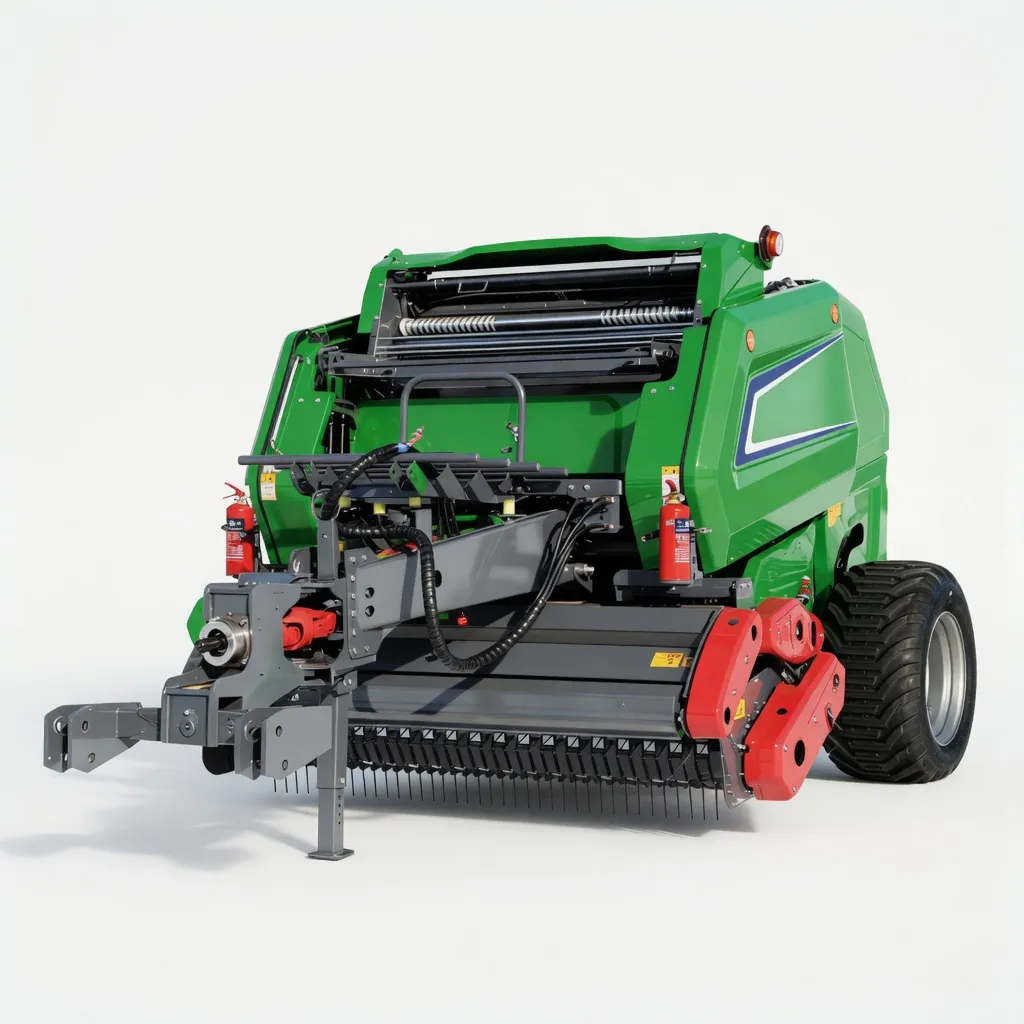
The 9YG-1.25A is the most versatile model in the range — its adjustable tension system and binding options handle both silage and hay effectively, making it the default choice for mixed operations above 500 bales per year.
Decision Variable 3: Tractor Horsepower Available
Every round baler has a minimum tractor HP requirement — the PTO power needed to drive the baler through the peak resistance load of a dense, high-yield silage windrow. Operating consistently below the minimum requirement causes PTO speed to drop below 540 RPM during peak loading, reducing bale density and potentially damaging the baler drivetrain if the PTO stalls.
Match the baler’s minimum HP requirement to the tractor’s rated PTO power, not its engine HP — PTO power is typically 75–85% of engine HP on modern agricultural tractors. A 90 HP engine tractor typically provides 68–77 HP at the PTO — adequate for a baler requiring 65–75 HP PTO but marginal for one requiring 80 HP PTO in heavy silage conditions. Contact EverPower with your tractor’s rated PTO output to confirm the right 9YG model before purchasing.
Decision Variable 4: Intended Use — Hay vs Silage vs Contracting
The intended use determines which durability and feature specifications are worth paying for. A farm-use baler producing 1,500 bales per season in a single crop type does not need the same construction specification as a contracting baler producing 8,000 bales per season across 20 different properties. The contracting machine needs heavier-gauge frame, commercial-grade bearings, and faster maintenance access — because a contractor’s baler failing at a client’s property during the silage window has a direct revenue and reputational cost that a farm-use failure does not.
For farm use up to 2,000 bales per year: the 9YG-1.0C or 9YG-1.25A depending on bale size requirement and crop type. For farm use 2,000–5,000 bales per year: the 9YG-1.25A or 9YG-2.24D depending on peak daily output requirements. For contracting or high-volume farm operations above 5,000 bales per year: the 9YG-2.24D S9000 Beyond — the heaviest construction and highest throughput in the EverPower range.
EverPower 9YG Range Summary
Recommended Products: EverPower 9YG Series
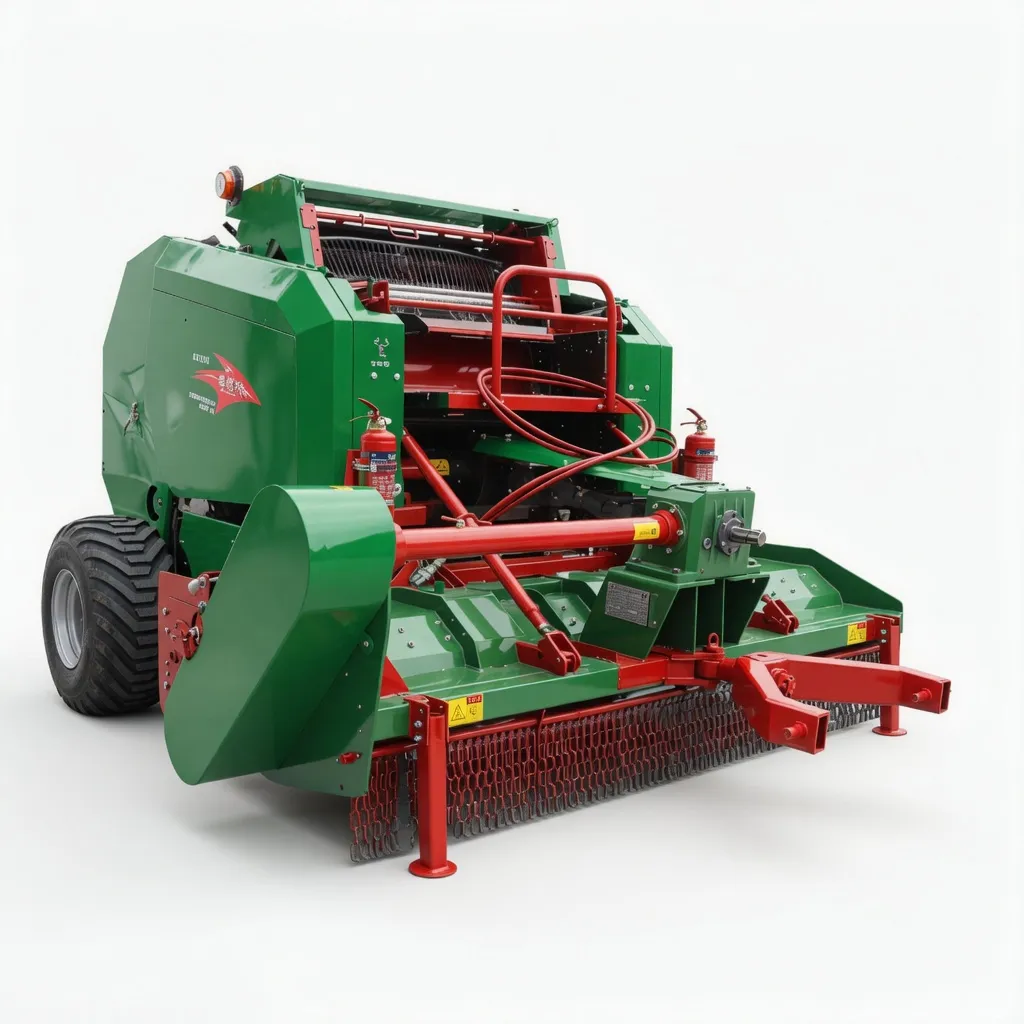
Three models covering the full Australian round baling range — 9YG-1.0C for small farms, 9YG-1.25A for mid-size mixed operations, 9YG-2.24D S9000 Beyond for large farms and contractors. All stocked at EverPower’s Condell Park NSW warehouse with Australia-wide delivery. Contact EverPower with your annual bale volume, crop type, and tractor HP to confirm the right model before purchasing.
Frequently Asked Questions
Right Size. Right Crop. Right Budget. Right Baler.
Tell EverPower your annual bale volume, crop type, and tractor HP — the team will confirm which 9YG model matches your operation before you commit.
EverPower Baling Machinery Australia Pty Ltd | 27 Harley Crescent, Condell Park NSW 2200
📞 +61 2 9708 3322 | ✉️ [email protected]