
Bales Per Hour Is a Calculation, Not a Specification
Round baler manufacturers list throughput capacity in their product literature, but the figure is typically expressed as a theoretical maximum under ideal laboratory conditions — full-width windrow, consistent dry crop, flat ground, continuous operation without stops. Australian farming conditions rarely match this ideal. Paddock variations, crop moisture gradients, required turning time at headlands, binding cycle pauses, and occasional feed system adjustments all reduce the practical bale output from the theoretical maximum. Understanding what to realistically expect — and how to calculate your specific hourly output for your crop and conditions — is more useful than a brochure figure. This guide provides the output variables for different crop types, explains the time components that determine practical throughput, and gives you a framework for estimating daily bale production before you commit to a season’s schedule.
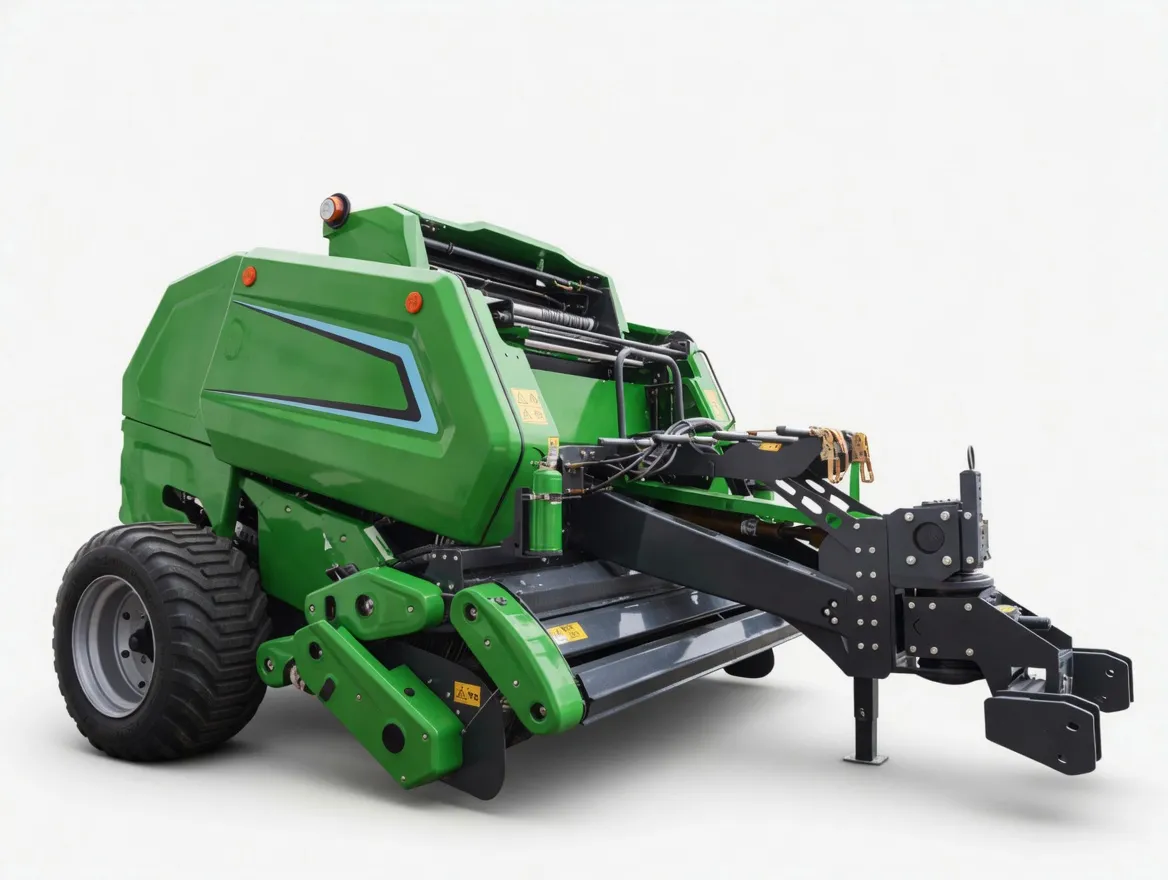
Round baler output per hour is determined by a combination of crop yield, windrow quality, bale density target, forward speed, and the time required for binding and ejection cycles — understanding each variable allows accurate production planning before the season begins.
The Four Time Components of Bale Output
Every bale produced by a round baler consumes time across four distinct phases. The sum of these phases determines the bale cycle time — the time from one bale start to the next. Dividing 60 minutes by the bale cycle time gives the maximum bale output per hour.
Chamber fill time
The time from when the bale starts forming until the density indicator triggers — this is the primary variable that changes with crop yield. Higher yield per hectare means more DM per metre of windrow, meaning the chamber fills faster at any given forward speed. A 3 t DM/ha ryegrass paddock fills the baler chamber much faster than a 1.5 t DM/ha paddock of the same crop type.
Binding time
The time the baler is stationary or crawling while twine or net wrap is applied. Net wrap binding typically takes 8–15 seconds; twine binding takes 20–35 seconds depending on the number of wraps and the knotter cycle. Modern balers allow binding while still moving slowly, reducing this time component to near zero on some models.
Ejection time
Opening the rear gate, allowing the bale to roll out, closing the gate, and accelerating back to forward speed. On most medium-duty balers, this takes 10–20 seconds. Terrain and surface conditions affect this — on flat ground, bales eject cleanly; on slopes, the bale may roll away unpredictably, requiring the operator to pause before re-entering the windrow.
Headland turns and travel
Time spent turning at paddock ends, repositioning, and travelling between windrows. On a long, narrow paddock, headland time can be less than 5% of total operating time. On a short, wide paddock with frequent turns, headland time can exceed 20% of operating time and significantly reduces effective bale output per hour.
Output by Crop Type: Realistic Expectations
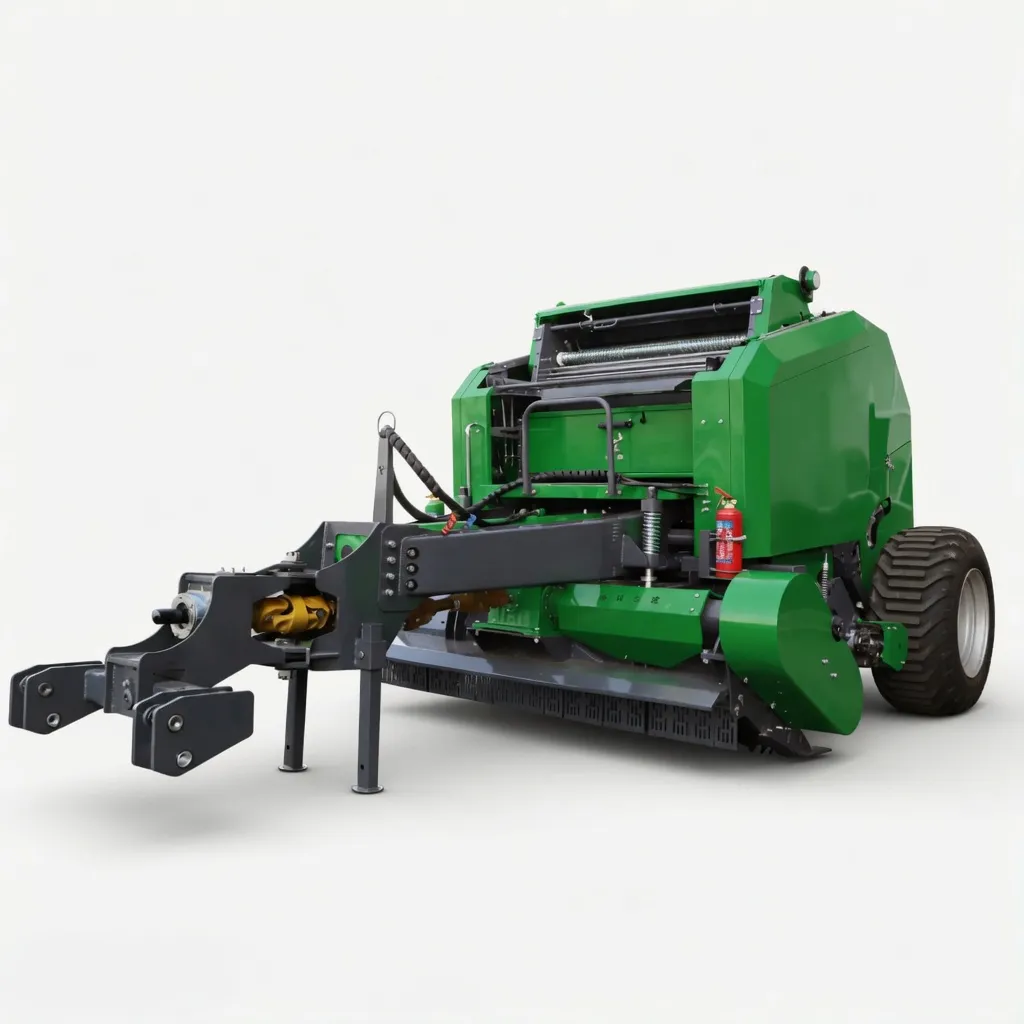
A high-performance baler maintains consistent throughput across different crop densities through a responsive belt tension system — output drops less than with a standard baler when transitioning from light to heavy windrow sections.
How to Increase Your Practical Output Rate
Widen and consolidate windrows: The single largest variable in bale output rate is windrow density. A full-width, dense windrow fills the baler chamber faster per metre of travel than a narrow, thin windrow, and requires less back-and-forth across the paddock to pick up the same total crop mass. Double-raking — combining two windrows into one — typically increases bale output by 20–40% per hour on lighter paddocks without any change to the baler settings.
Use net wrap over twine: Net wrap reduces the binding cycle time from 20–35 seconds (twine) to 8–15 seconds, and some net wrap balers allow wrapping while still moving. Over 30 bales per hour, this saves 7–10 minutes per hour of non-productive binding time — the equivalent of 3–5 additional bales per hour at the same chamber fill rate.
Plan paddock entry direction: Enter paddocks so the longest run is parallel to the dominant windrow direction, minimising headland turns per hour. On a 20-hectare paddock 500 m long, baling parallel to the length gives approximately 4 headland turns per hour. Baling across the 200-metre width gives 10+ turns per hour — the additional 6 turns cost 3–5 minutes per hour of productive time.
Recommended Products: EverPower 9YG Series Round Balers
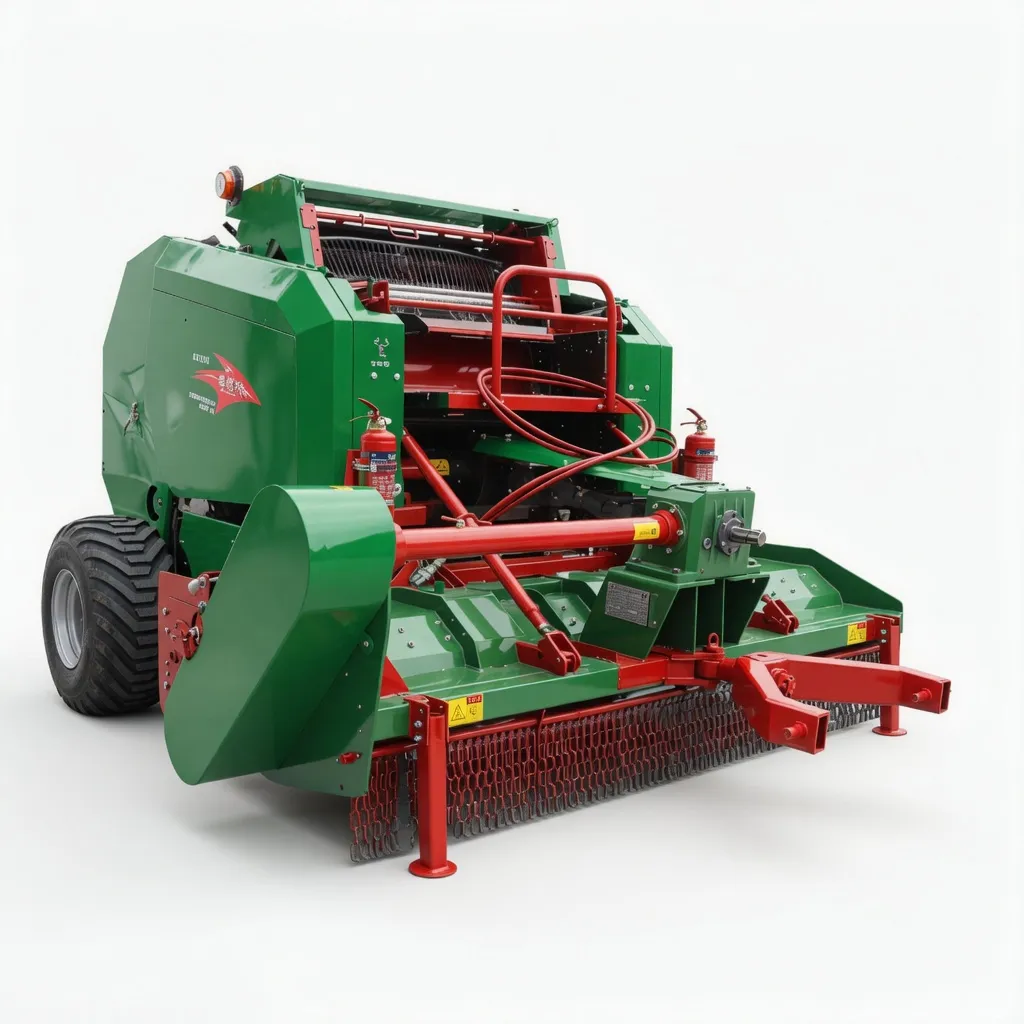
EverPower 9YG series round balers — 9YG-2.24D S9000 Beyond, 9YG-1.25A, and 9YG-1.0C — are designed for Australian hay and silage crop conditions. Each model’s binding system, chamber size, and pickup width are configured for the yield range and crop types typical of Australian operations. Contact EverPower at +61 2 9708 3322 to confirm which model matches your crop type and yield expectations.
Frequently Asked Questions
Know Your Output Before the Season Starts. Plan Accordingly.
EverPower can confirm which 9YG model matches your crop yield, paddock size, and daily bale target for your operation.
EverPower Baling Machinery Australia Pty Ltd | 27 Harley Crescent, Condell Park NSW 2200
📞 +61 2 9708 3322 | ✉️ [email protected]