
One of the first questions farmers ask before purchasing a round baler is whether it will handle the specific crops they grow. The short answer is that a well-engineered round baler processes virtually every temperate-zone forage, hay, and straw crop grown in Australia. The longer answer — the one that matters for silage quality, bale integrity, and machine longevity — depends on how each crop’s moisture content, stem structure, and fermentation chemistry interact with the baler’s pickup, chamber, and binding systems. This guide covers each major crop individually, with the practical operating parameters that turn raw paddock material into dense, well-formed bales.
Perennial Ryegrass
Perennial ryegrass is the backbone of southern Australian dairy and beef silage programmes, and it is the crop that most silage baler specifications are optimised around. High water-soluble carbohydrate content makes ryegrass one of the easiest forages to ferment reliably: the natural sugar supply drives rapid lactic acid production, dropping pH quickly and producing stable silage even without inoculant addition in most seasons. The fine-leaved, dense sward structure forms a compact windrow that feeds evenly through the pickup without bridging or bunching.
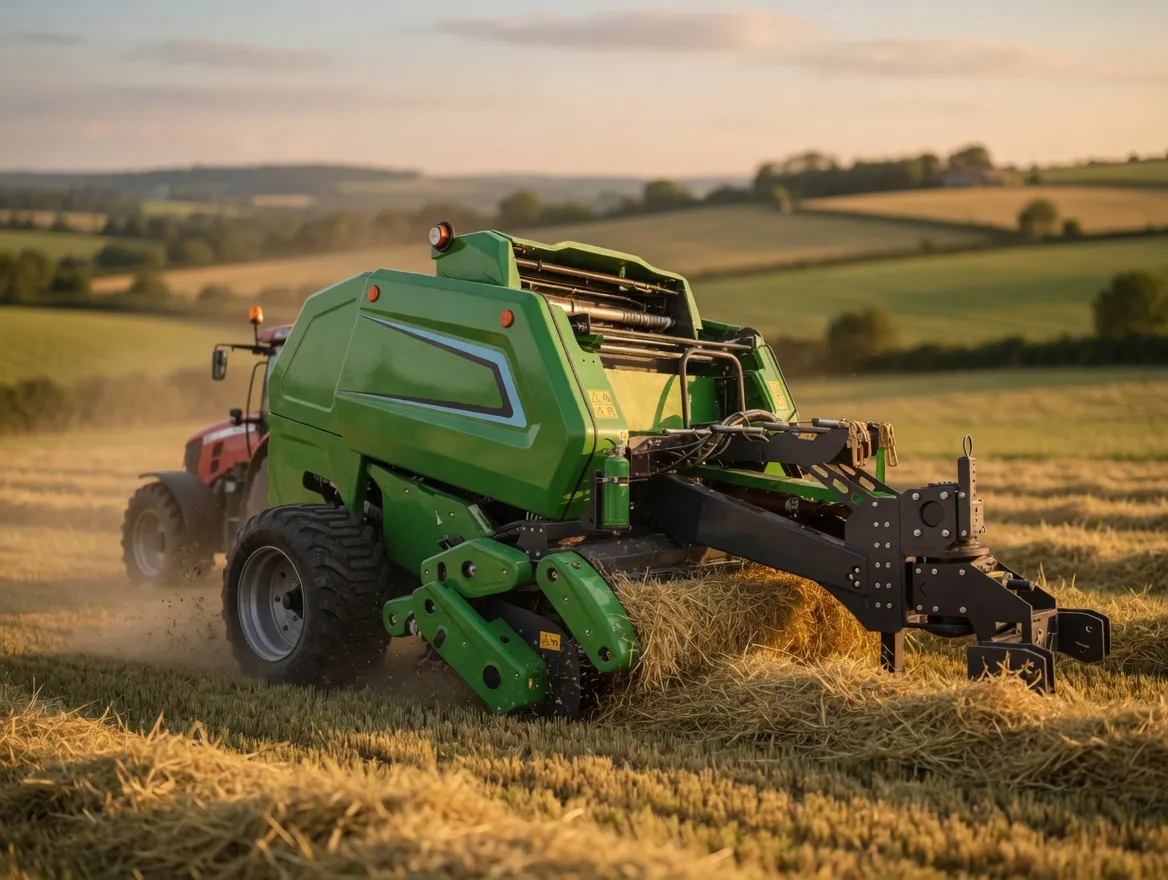
Cut at the late-vegetative to pre-heading stage for maximum metabolisable energy. Wilt for 24 to 36 hours to reach the target 45 to 55 percent moisture range. The variable chamber responds well to ryegrass because the fine material compresses uniformly and fills the bale without voids. Chamber pressure can be set to maximum for silage density. At this moisture target, a 1.25m ryegrass silage bale typically weighs 600 to 750 kg. Net wrap at 3 to 4 turns, then wrap with stretch film within 4 hours — though a combined baler wrapper eliminates this deadline entirely.
Lucerne (Alfalfa)
Lucerne produces the highest protein silage of any common Australian forage crop, typically reaching 18 to 22 percent crude protein when cut at the late-bud to early-flower stage. That protein content makes lucerne silage the preferred supplement for high-production dairy herds and intensive beef finishing programmes, where dietary protein directly influences milk yield and liveweight gain.
The baling challenge with lucerne is its fermentation chemistry. Lucerne has low water-soluble carbohydrate content and a high buffering capacity — meaning the crop resists pH change, and the natural sugar supply is often insufficient to drive lactic acid production fast enough without assistance. Silage inoculant application at the mower or at the baler is standard practice for lucerne. Wilt to 50 to 60 percent moisture; avoid over-wilting below 45 percent because the brittle leaf material shatters during pickup and the lost leaves represent the highest-protein fraction of the plant. The round baler pickup height setting is critical here: too aggressive and the tines strip leaves from the stems; set just high enough to lift the windrow cleanly without ground contact.
Oats and Cereal Forages
Oats, barley, triticale, and wheat — grown as whole-crop silage rather than for grain — are among the most reliable and highest-yielding winter forage crops for bale silage production in temperate Australia. They germinate rapidly, produce substantial biomass, and ferment predictably because cereal crops carry adequate WSC for reliable lactic acid fermentation without inoculant in most conditions.
Cut at the late-boot to early-heading stage for the best balance of yield and nutritional quality. Cereal stems are thicker and more rigid than grass stems, so the windrow structure is coarser and the baler pickup needs to work harder to gather the material evenly. A variable chamber round baler adjusts naturally to the stiffer material because the belt system accommodates the uneven compression that cereal stems produce as they break down inside the chamber. Wilt to 50 to 55 percent moisture. Bale weight is typically 550 to 700 kg for a 1.25m bale. For dry oaten hay, continue drying in the paddock to below 14 percent moisture and bale as dry hay — the same machine, different moisture target, different product.
Forage Sorghum
Forage sorghum is the dominant summer silage crop for inland and northern Australian farms because no other species matches its dry-matter yield in hot, low-rainfall conditions. A single-cut sorghum crop can produce 12 to 18 tonnes of DM per hectare, providing the bulk feed base for large pastoral stations and intensive beef operations through autumn and winter.
The baling consideration specific to sorghum is stem diameter. Mature forage sorghum stems can exceed 25mm in diameter, which is substantially thicker than any grass or cereal stem. The pickup must lift these heavy stems without stalling, and the chamber must compress them without creating voids between the rigid stem sections. A heavy-duty silage baler machine with reinforced pickup tines and high chamber pressure capability is essential for sorghum. Bale at the late-boot to soft-dough stage; the prussic acid present in young sorghum tissue dissipates during the 4 to 6 week fermentation period and is not a concern in well-fermented bale silage. Target moisture: 55 to 65 percent. Wrap promptly — sorghum’s high moisture at baling makes it particularly sensitive to delayed wrapping.
Clover, Vetch, and Other Legumes
Legume crops — including sub-clover, white clover, red clover, common vetch, and faba bean forage — produce silage with high protein content that complements the energy-rich grass and cereal silages in a balanced livestock feeding programme. Crude protein levels for legume silage typically range from 16 to 22 percent, comparable to lucerne and significantly higher than grass silage from the same property.
Like lucerne, most legumes have low WSC and high buffering capacity, making inoculant addition a practical requirement for reliable fermentation. The vine-like stems of vetch can tangle in the pickup mechanism if the windrow is poorly formed, so the preceding mowing and raking operation needs to produce a clean, even windrow without excessive twisting. Wilt to 50 to 55 percent moisture. The fine-stemmed, leafy material forms a dense bale with good natural compression — most round balers handle legume crops without difficulty once the windrow quality is right.
Pasture Mixes and Native Grasses
Many Australian farms bale whatever is growing in the paddock — mixed-species improved pastures, naturalised grass swards, or native grasslands managed for livestock production. These mixed-species windrows are the most variable material a round baler encounters: different stem diameters, different moisture contents between species, and varying density across the same paddock. The variable chamber design is particularly well-suited to this variability because the belt system adjusts continuously to the changing material characteristics. For silage from mixed pastures, wilt to 50 to 60 percent moisture and apply inoculant if the legume content exceeds 30 percent of the sward composition. For dry hay, continue wilting to below 15 percent. Mixed-species pasture hay is the most common product baled on Australian sheep and cattle farms outside the dedicated silage districts.
Straw: Wheat, Barley, Oaten, and Canola
Straw is the residual stem material left after grain harvest, and it represents a significant secondary baling opportunity on mixed-farming operations. Wheat straw, barley straw, oaten straw, and canola straw are all commonly baled with round balers for livestock bedding, supplementary roughage feed, mushroom substrate, and erosion control mulch. Straw is baled dry, at 8 to 14 percent moisture, so the baling operation is mechanically straightforward — the material is light, brittle, and compresses easily.
The consideration with straw is dust. The fine dust and chaff generated during straw baling enters the chamber, accumulates around bearings and the net wrap mechanism, and accelerates wear on the components that are most difficult to access for cleaning. End-of-day blowdown of the baler with compressed air extends component life measurably on operations that bale significant straw volumes. Some operators reduce chamber pressure slightly for straw to avoid over-compressing the brittle stems into a bale that is difficult to break apart at feedout or delivery. The same round baler that produces silage in spring and hay in summer can produce straw bales in autumn without any mechanical modification.
Quick Reference: Baling Parameters by Crop
| Crop | Cut Stage | Silage Moisture | Hay Moisture | Inoculant? | Baling Notes |
|---|---|---|---|---|---|
| Perennial ryegrass | Pre-heading | 45–55% | 12–15% | Optional | Easiest crop to bale |
| Lucerne | Late-bud | 50–60% | 14–18% | Recommended | Gentle pickup to save leaves |
| Oats / cereals | Late-boot | 50–55% | 12–14% | Optional | Coarser stems; higher pickup load |
| Forage sorghum | Late-boot | 55–65% | N/A (too thick) | Optional | Heavy-duty baler required |
| Clover / vetch | Early-flower | 50–55% | 14–16% | Recommended | Good windrow formation essential |
| Mixed pasture | Pre-heading | 50–60% | 12–15% | If legume >30% | Variable chamber ideal |
| Straw (wheat/barley) | Post-harvest | N/A | 8–14% | N/A | Blow down baler daily |
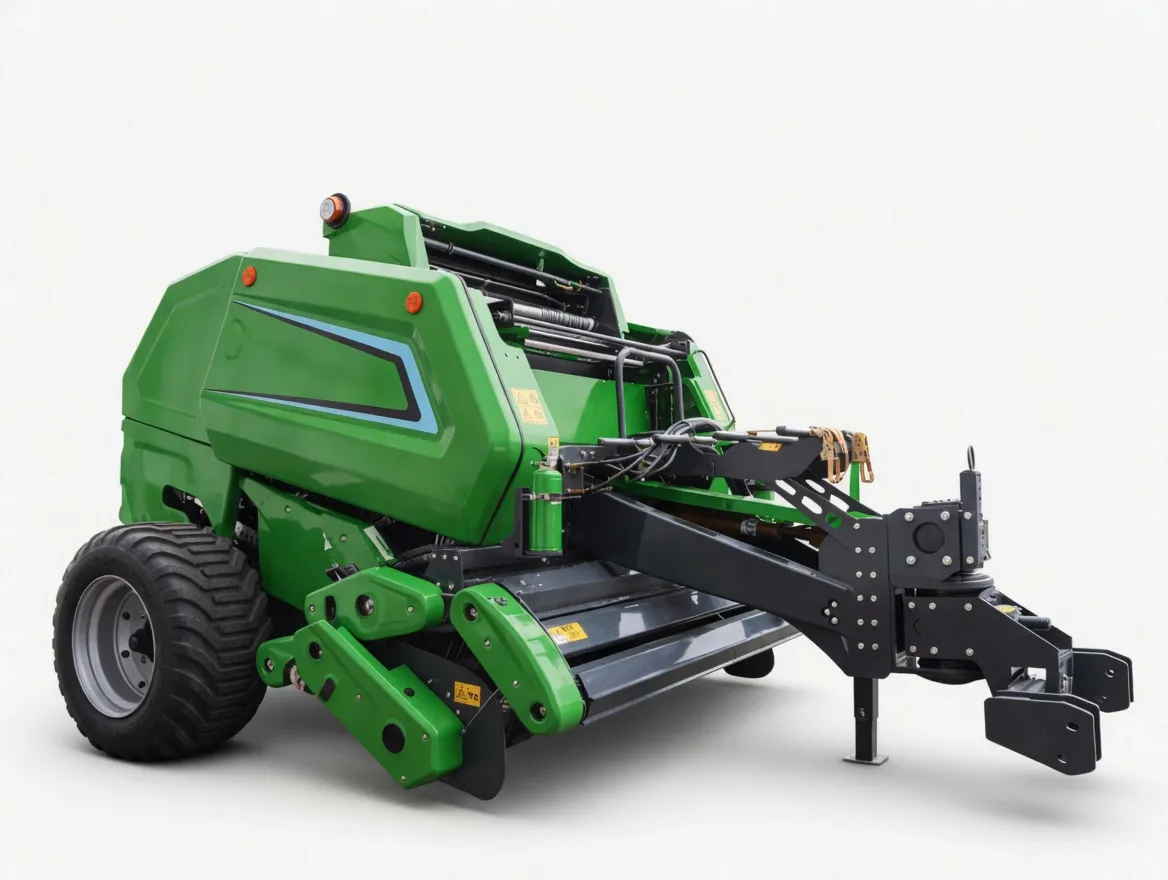
Recommended Product: EverPower 9YG-2.24D S9000 Beyond
For operations baling across multiple crop types through the season — ryegrass in spring, lucerne in early summer, oaten hay in late summer, sorghum in autumn, and straw after grain harvest — the EverPower 9YG-2.24D (S9000 Beyond) is the platform engineered for that range. The heavy-duty pickup handles everything from fine ryegrass windrows to thick sorghum stems without modification, the variable chamber accommodates the density variation between crop types, and the reinforced frame sustains the accumulated seasonal hours that multi-crop operations demand. It is the baler that runs all day, changes crop types between paddocks, and maintains consistent bale quality across the full material range.
Related reading: See how variable chamber round balers perform across diverse cropping rotations in our application guide: Variable Chamber Round Balers for Mixed Cropping Operations.
EverPower Baling Machinery Australia Pty Ltd
27 Harley Crescent, Condell Park NSW 2200
+61 2 9708 3322
[email protected]
Frequently Asked Questions
27 Harley Crescent, Condell Park NSW 2200 | +61 2 9708 3322 | [email protected]
About Us | Contact Us