
The term “baleage” is used across Australia, New Zealand, and the Americas to describe silage that has been preserved inside individually wrapped bales rather than in a large-scale pit, bunker, or tower silo. Both baleage and conventional silage use the same biological preservation mechanism — anaerobic lactic acid fermentation — but the physical form in which the fermentation occurs leads to meaningful differences in equipment requirements, storage flexibility, quality control, and the farm types for which each system is practical. This article explains those differences in enough detail to determine which preservation format suits a particular operation.
Defining Baleage: What the Term Means
Baleage is forage that has been wilted to 40 to 60 percent moisture, compressed into a dense round bale by a round baler, and sealed inside 4 to 6 layers of stretch film applied by a bale wrapper machine or a combined baler wrapper. The wrapped bale is a self-contained fermentation unit: the stretch film provides the airtight envelope, the compressed forage provides the substrate, and the naturally occurring lactic acid bacteria on the plant surface drive the fermentation that drops the pH and preserves the feed.
The word “baleage” is a portmanteau of “bale” and “silage” — it is silage in bale form. In practice, when Australian farmers say “silage bales” or “wrapped bales,” they are referring to baleage. The terminology varies by region: in some districts, “baleage” specifically implies a drier fermentation target (40 to 50 percent moisture) compared with conventional silage (50 to 65 percent), while in others the terms are used interchangeably. The biological process is the same regardless of terminology; the distinction, where it exists, is about the moisture window at which the baling occurs.
Baleage vs Pit/Bunker Silage: The Structural Difference
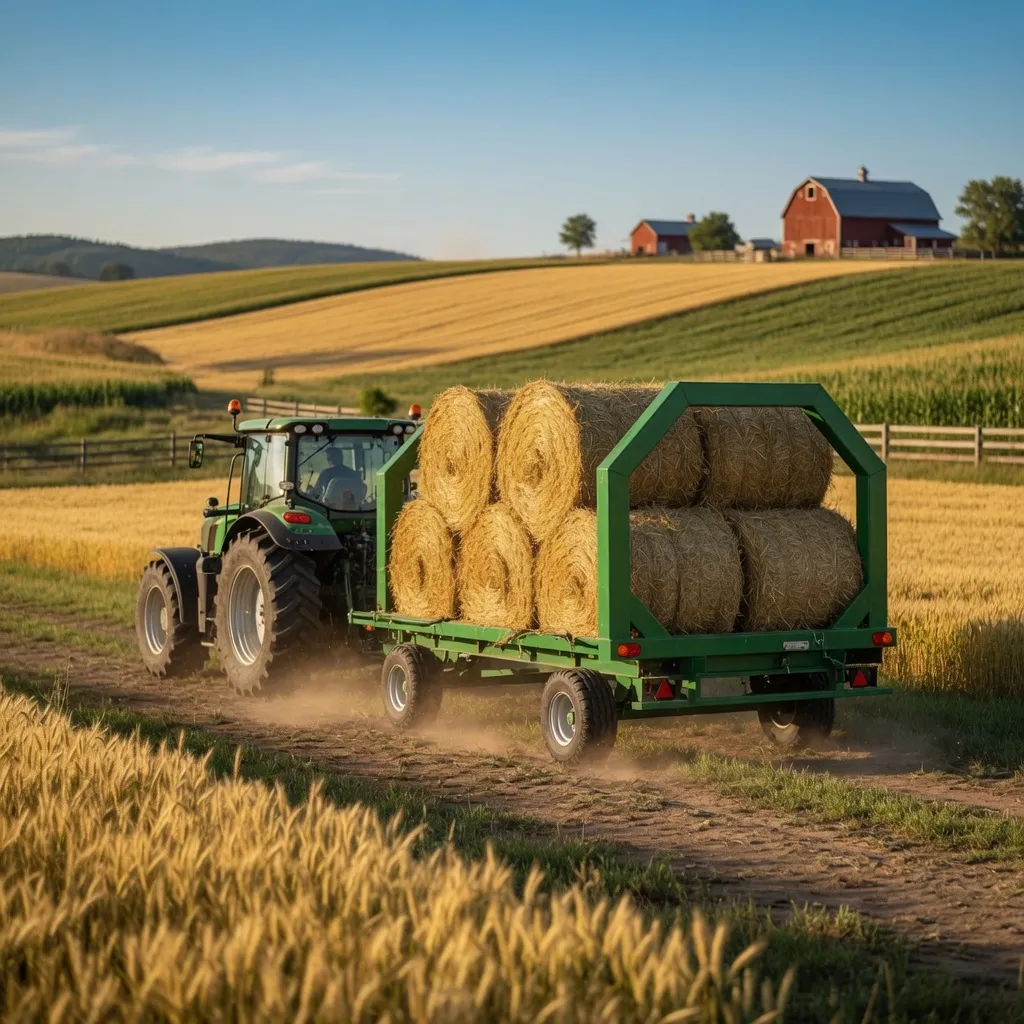
Conventional silage — commonly called pit silage, bunker silage, or stack silage — involves chopping the crop finely, transporting it to a prepared storage structure, compacting it under tractor weight, and sealing the entire mass with plastic sheeting weighted with tyres or gravel. The chopping, transporting, and compacting steps each require dedicated machinery and labour: a forage harvester, a fleet of transport trailers, and one or more compacting tractors running continuously during filling.
Baleage eliminates the chopping, transport-fleet, and compacting-tractor requirements entirely. The silage baler moves through the paddock and produces a finished, wrapped unit at the point of harvest. The only transport requirement is moving the wrapped bales from the paddock to the storage site, which requires a bale spear and a tractor that the farm already owns for other handling tasks. The infrastructure requirement is similarly reduced: baleage needs a firm, well-drained storage surface — not a purpose-built concrete pit or bunker. This infrastructure difference is the primary reason baleage has expanded into farm sectors that could never justify the capital cost of a conventional pit silage system.
| Factor | Baleage (Wrapped Bales) | Pit / Bunker Silage |
|---|---|---|
| Crop preparation | Mow, wilt, bale, wrap | Mow, chop, transport, compact, seal |
| Equipment needed | Mower + baler + wrapper (or combined) | Mower + harvester + trailers + compacting tractors |
| Infrastructure | Firm ground surface | Concrete pit or bunker walls |
| Minimum viable scale | 50 to 100 bales/year | 500+ tonnes/year |
| Labour at harvest | 1 to 2 operators | 3 to 6+ operators |
| Feedout flexibility | Open one bale at a time | Open entire face; manage aerobic loss |
| Storage portability | Move bales anywhere on farm | Fixed at pit/bunker location |
Moisture Targets: How Baleage Differs from Wet Silage
In regions where “baleage” is distinguished from “silage” by moisture content, the practical difference is the wilting window. Conventional pit silage is often ensiled at 60 to 70 percent moisture — relatively wet material that chopping and compacting can handle effectively. Baleage, by contrast, targets a drier window: 40 to 55 percent moisture is the range most commonly cited for optimal baleage fermentation.
The drier target exists because the baling mechanism, unlike chopping and compacting, relies on the material’s ability to hold its shape under belt or roller compression. Material that is too wet (above 65 percent) produces effluent during compression, creating messy bales that lose soluble sugars through drainage and are difficult to bind with net wrap. Material at 40 to 55 percent moisture bales cleanly, holds its shape under net wrap, and still carries enough moisture to support reliable lactic acid fermentation. The additional wilting time — perhaps an extra 6 to 12 hours compared with direct-chop silage — is the trade-off for the simpler equipment chain and lower infrastructure cost that baleage offers.
Fermentation Quality: Does Baleage Ferment as Well as Pit Silage?
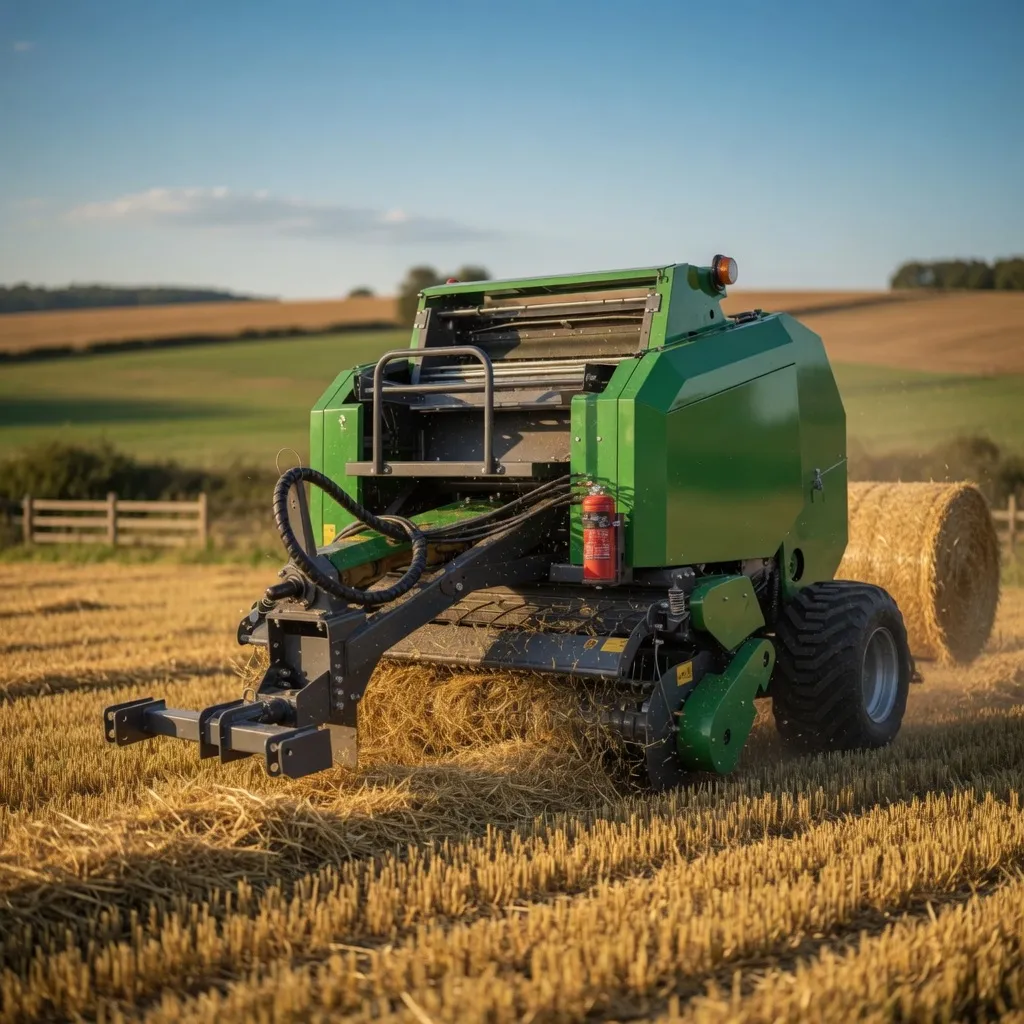
Well-made baleage ferments to a stable, palatable product with a pH of 4.0 to 4.5 and a lactic acid concentration that preserves the feed effectively for 12 to 18 months. The fermentation is the same biological process that occurs in a pit — lactic acid bacteria converting WSC to lactic acid under anaerobic conditions — but the individual bale format provides better quality control because each bale is a separate sealed unit.
In a pit or bunker, the entire face is exposed to oxygen at feedout, and the rate at which material is removed from the face determines how much aerobic spoilage occurs. If the feed-out rate is too slow, the exposed face heats and spoils faster than it is consumed. Baleage eliminates this problem: each bale is sealed until the moment it is opened for feeding, and the entire bale is consumed within 24 to 48 hours. There is no face management, no heating risk, and no interaction between adjacent bales. A single spoiled bale (from film damage, for example) does not compromise the quality of the bales stored next to it, which is a significant risk management advantage over the pit format where a single area of poor compaction or sheet damage can affect tonnes of surrounding material.
Which Farms Suit Baleage Over Pit Silage?
The baleage system is not a compromise version of pit silage — it is a different preservation architecture that suits a different set of farm characteristics. The farms where baleage delivers a clear advantage share several common traits.
Common Baleage Quality Problems and How to Avoid Them
Film Damage
The stretch film is the only barrier between the anaerobic bale interior and the outside atmosphere. Any hole, tear, or puncture admits oxygen and initiates localised aerobic spoilage. Birds, rodents, stubble, handling damage, and UV degradation are the common causes. Storing bales on a clean, firm surface away from stubble; using 6-layer wrapping for bales intended for extended storage; and inspecting bales periodically and patching any damage with repair tape are the practical prevention measures.
Incorrect Moisture at Baling
Baling above 60 percent moisture risks effluent loss and Clostridial fermentation. Baling below 35 percent moisture leaves too much air inside the bale for anaerobic conditions to establish properly. The 40 to 55 percent window is the quality target, and testing moisture in the field with a microwave DM check before baling starts is the only reliable method — visual and tactile estimates are not accurate enough for consistent quality.
Delayed Wrapping
Bales left unwrapped for more than 4 hours after baling begin to heat from aerobic microbial activity at the surface. Heating above 40°C kills the lactic acid bacteria that need to dominate the fermentation, and the resulting silage is poorly preserved with low palatability and reduced nutritional value. A combined baler wrapper eliminates this risk by design; standalone systems require the wrapper to follow the baler within the 4-hour window, which is an operational discipline that demands either a second tractor and operator or very careful time management on single-operator farms.
Recommended Product: EverPower 9YG-1.0 Round Baler
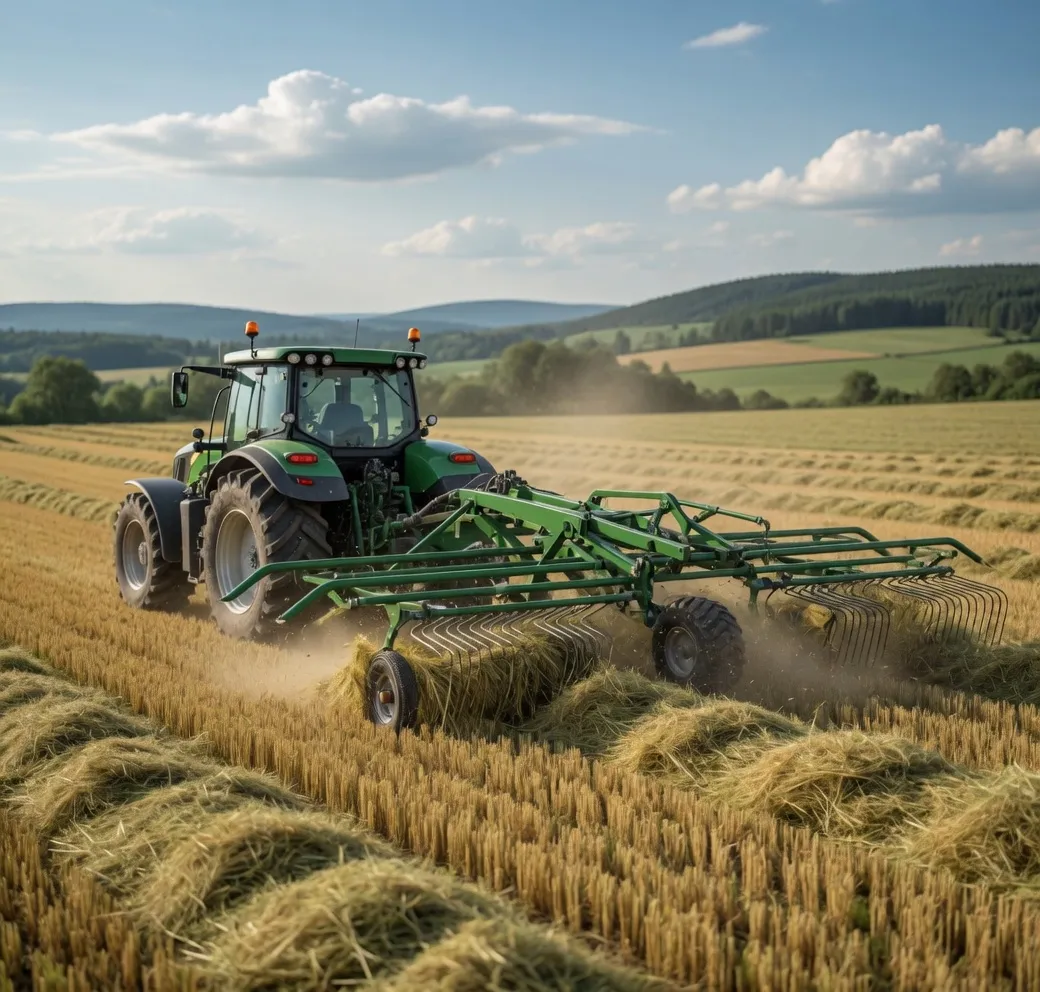
For farms entering baleage production for the first time, or for small to mid-scale operations where the baleage programme supplements pasture grazing rather than replacing it, the EverPower 9YG-1.0 Round Baler is the entry-level platform that makes baleage practical without a large capital outlay. The 1.0m bale diameter produces bales weighing 350 to 500 kg at silage moisture — manageable for standard front-end loaders and compact enough for properties where storage space is limited. The variable chamber handles the 40 to 55 percent moisture range that baleage targets, and the unit pairs with tractors from 45 PTO hp upward.
Related reading: See how baleage supports beef cattle operations through drought conditions in our application guide: Silage Baling for Beef Cattle Stations: Keeping Herds Fed Through Drought.
EverPower Baling Machinery Australia Pty Ltd
27 Harley Crescent, Condell Park NSW 2200
+61 2 9708 3322
[email protected]
Frequently Asked Questions
27 Harley Crescent, Condell Park NSW 2200 | +61 2 9708 3322 | [email protected]
About Us | Contact Us