Silage and hay are both methods of preserving pasture so that livestock can eat it weeks or months after the crop was growing in the paddock. But the preservation mechanisms are fundamentally different, and those differences determine the nutritional quality, storage requirements, weather dependency, and equipment needs of each system. Understanding what silage actually is, at the biological level, explains why so many Australian dairy, beef, and sheep operations have shifted toward silage as their primary preserved forage and why the silage baler has become the central piece of equipment in their feed management system.
What Silage Is: The Biological Definition
Silage is forage that has been preserved through controlled anaerobic fermentation. The crop is cut, wilted to 45 to 65 percent moisture, compressed into a dense mass, and sealed inside an airtight envelope. Once oxygen is excluded, naturally occurring lactic acid bacteria on the plant surface begin fermenting the soluble sugars in the crop, producing lactic acid that drops the pH rapidly. When the pH reaches approximately 3.8 to 4.2, the environment becomes too acidic for the spoilage organisms, moulds, clostridia, and aerobic bacteria that would otherwise decompose the material. The crop is effectively pickled in its own fermentation products, and it remains stable in that preserved state for 12 to 18 months or longer provided the airtight seal is maintained.
This is a fundamentally different preservation mechanism from drying. Hay is preserved by removing moisture until the water activity in the crop is too low for microbial activity. Silage is preserved by changing the chemistry of the environment until microbial activity is dominated by beneficial organisms that produce a stable, self-preserving system. The distinction matters practically because the silage system does not require the crop to reach the 12 to 18 percent moisture level that hay demands, and therefore does not depend on the extended dry weather window that successful haymaking requires.
How Silage Fermentation Works: The Four Phases
The fermentation that transforms green forage into stable silage proceeds through four overlapping phases over a period of approximately 3 to 6 weeks. Each phase is governed by different microbial populations and produces different chemical outcomes. Understanding the sequence explains why the baling and wrapping steps need to occur in a specific order and within specific time limits.
How Hay Is Made: The Drying Preservation Method
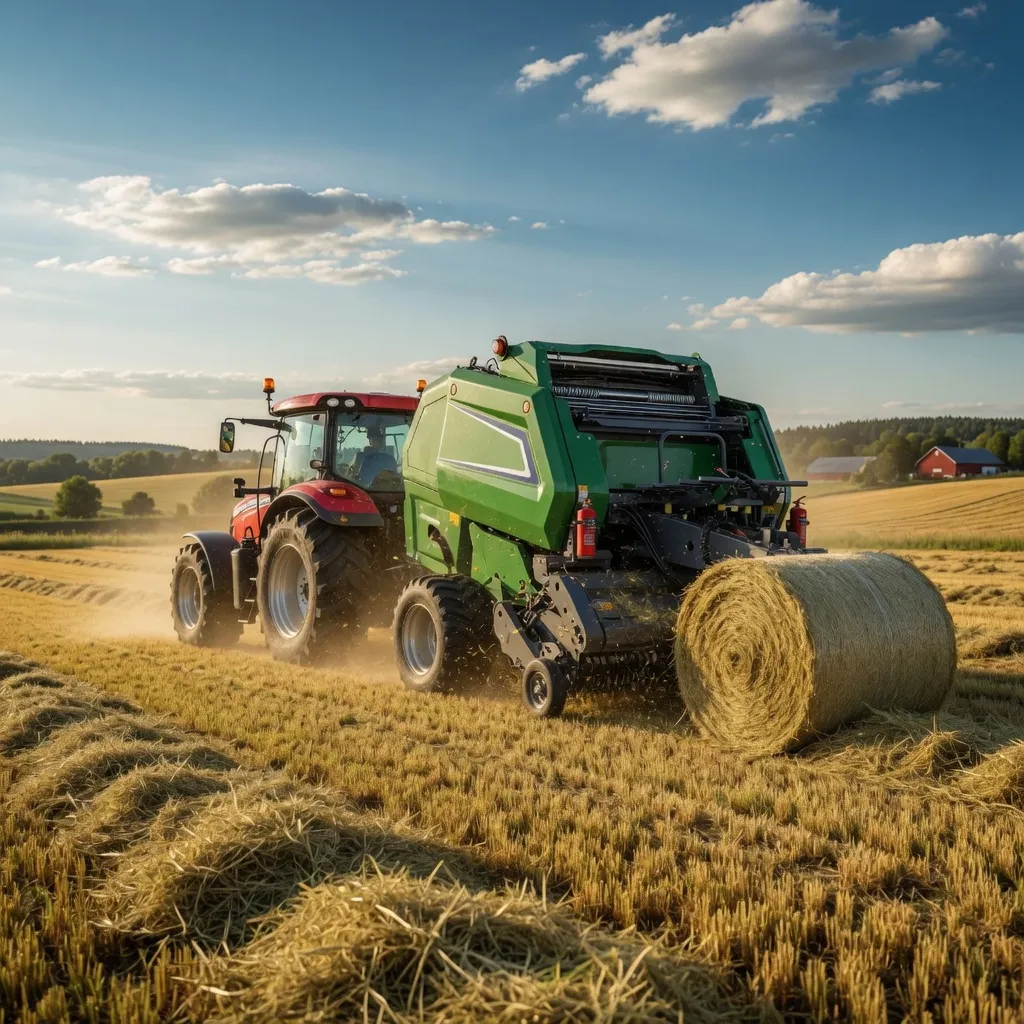
Hay is preserved by a completely different mechanism: field drying. The crop is cut and left in the paddock for 2 to 5 days, depending on weather conditions, until the moisture content drops below 18 percent. At this moisture level, the water activity in the plant material is too low for bacteria and moulds to grow, and the crop is stable for storage without any further sealing or chemical treatment. The dried material is then baled with a round baler or square baler, bound with net wrap or twine, and stored under cover or in the open.
The haymaking process depends entirely on sustained dry weather during the field curing period. In southern Australia, reliable haymaking windows occur in late spring through early autumn, but they are not continuous. A single rain event during the curing period can cause the partially dried crop to absorb moisture, restart microbial activity, and lose 15 to 30 percent of its nutritional value through respiration and leaf shatter before it can be dried again and baled. This weather vulnerability is the primary practical disadvantage of the haymaking system, and it is the reason why many farms that started with hay production have progressively added silage to their feed management programmes.
Nutritional Comparison: Silage vs Hay
The nutritional difference between silage and hay from the same crop is substantial and measurable. The primary cause is the preservation mechanism itself: drying causes leaf shatter, respiration losses, and UV degradation during the multi-day field cure, while fermentation captures the crop closer to its standing nutritional value because the material spends less time exposed and is sealed before the most damaging losses occur.
| Nutritional Metric | Well-Made Ryegrass Silage | Well-Made Ryegrass Hay |
|---|---|---|
| Metabolisable energy (MJ/kg DM) | 10.5 to 11.5 | 8.5 to 9.5 |
| Crude protein (%) | 14 to 18 | 10 to 14 |
| Dry matter loss in production (%) | 5 to 10 | 15 to 30 |
| Digestibility (%) | 70 to 80 | 55 to 70 |
| Weather dependency for production | 24 to 36 hours wilting | 3 to 5 days continuous dry |
The energy difference alone is significant for dairy and beef operations: at 10.5 MJ/kg DM versus 8.5 MJ/kg DM, silage delivers approximately 25 percent more energy per kilogram of dry matter consumed. For a dairy cow consuming 12 kg DM of forage per day, that difference translates to a meaningful impact on milk production without increasing purchased grain or concentrate inputs. The dry matter loss differential is equally important from a feed budget perspective: a paddock that yields 10 tonnes of standing DM returns 9 to 9.5 tonnes as silage versus 7 to 8.5 tonnes as hay, because less material is lost during the shorter wilting and sealing process.
Weather Advantage: Why Silage Suits Unreliable Climates
Silage requires only 24 to 36 hours of dry weather after cutting to reach the 45 to 65 percent moisture wilting target. Hay requires 3 to 5 consecutive dry days to reach the 12 to 18 percent moisture level required for stable storage. In the variable climate of eastern Australia, where summer thunderstorms and spring rain fronts can interrupt drying windows at short notice, the silage system captures significantly more of the available crop than the haymaking system can. Farms that made 60 percent of their target hay in a wet spring would typically have made 85 to 95 percent of their target silage from the same crop, because the shorter wilting window means fewer opportunities for rain to interrupt the process. This reliability advantage is the single most common reason cited by Australian farmers who transitioned from pure hay programmes to silage or mixed hay-and-silage systems.
The Role of the Silage Baler in Preservation
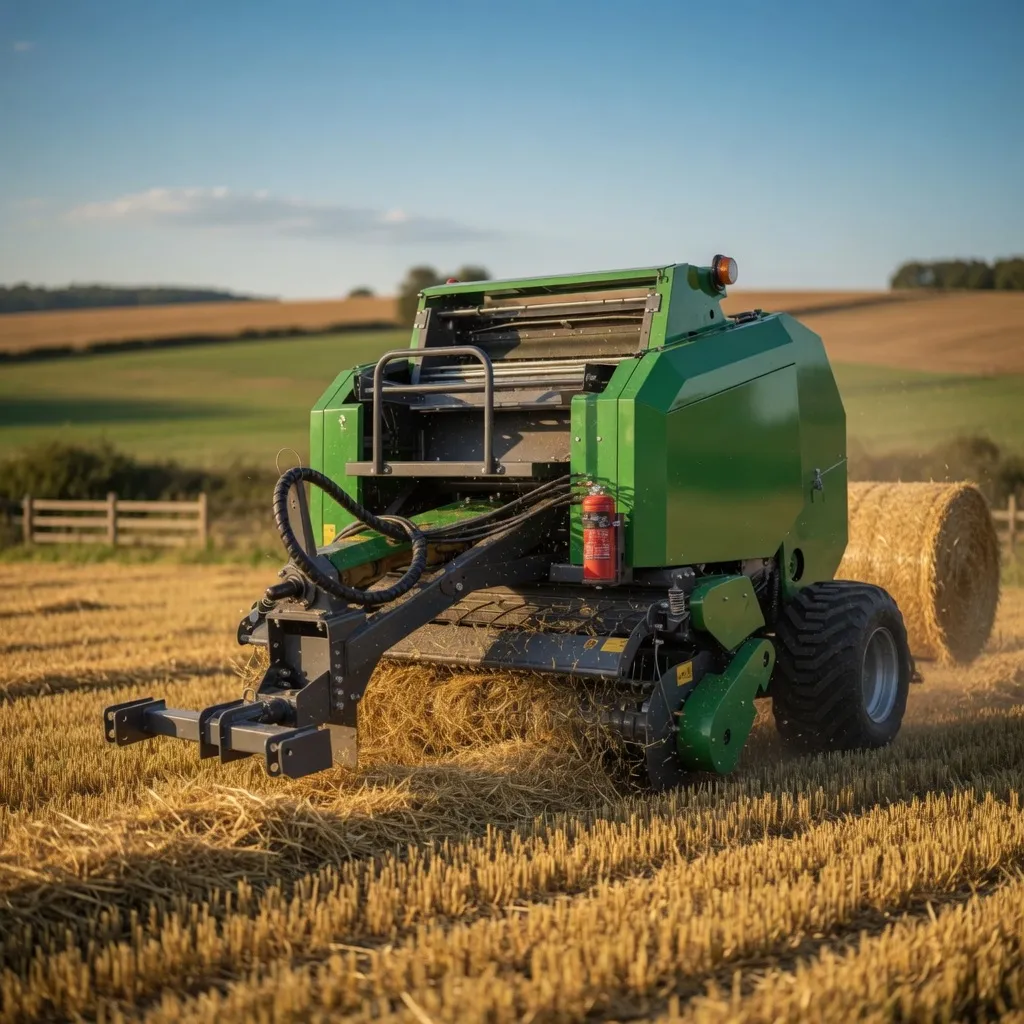
The silage baler machine is the critical link between the wilted crop in the paddock and the sealed, fermenting bale in storage. Its job is to compress the high-moisture forage into a dense, uniform cylinder that minimises the residual air inside the bale and creates a smooth surface for the stretch film to bond against. Higher bale density means faster oxygen exclusion, which means faster establishment of anaerobic conditions, which means a shorter Phase 1 aerobic period and more sugar preserved for lactic acid fermentation in Phase 2.
The baler also needs to handle the physical characteristics of wet forage without introducing quality problems. Soil contamination at the pickup introduces Clostridium spores that cause butyric fermentation and ruin the silage. Inconsistent density creates air pockets inside the bale where aerobic spoilage occurs locally even though the bale exterior is sealed. These are not theoretical concerns; they are the actual quality failures that distinguish well-made silage from poorly-made silage on real farms every season. A round baler engineered for silage addresses these issues through pickup reel geometry, chamber pressure capability, and the belt or roller system that delivers consistent compression throughout the bale cycle.
When to Choose Silage, When to Choose Hay, When to Make Both
Choose Silage When:
Choose Hay When:
Make Both When:
Most Australian farms that run mixed livestock operations find the optimal approach is to make silage from the early-spring flush when crop quality is highest and weather is most variable, then make hay from the later cuts when conditions dry out and the remaining crop has lower moisture and higher fibre. A single round baler handles both applications without modification: the same machine bales silage at 50 to 60 percent moisture in October and dry hay at 14 percent moisture in January. The ability to flex between the two products within the same season, using the same equipment, is one of the defining practical advantages of the round baler format.
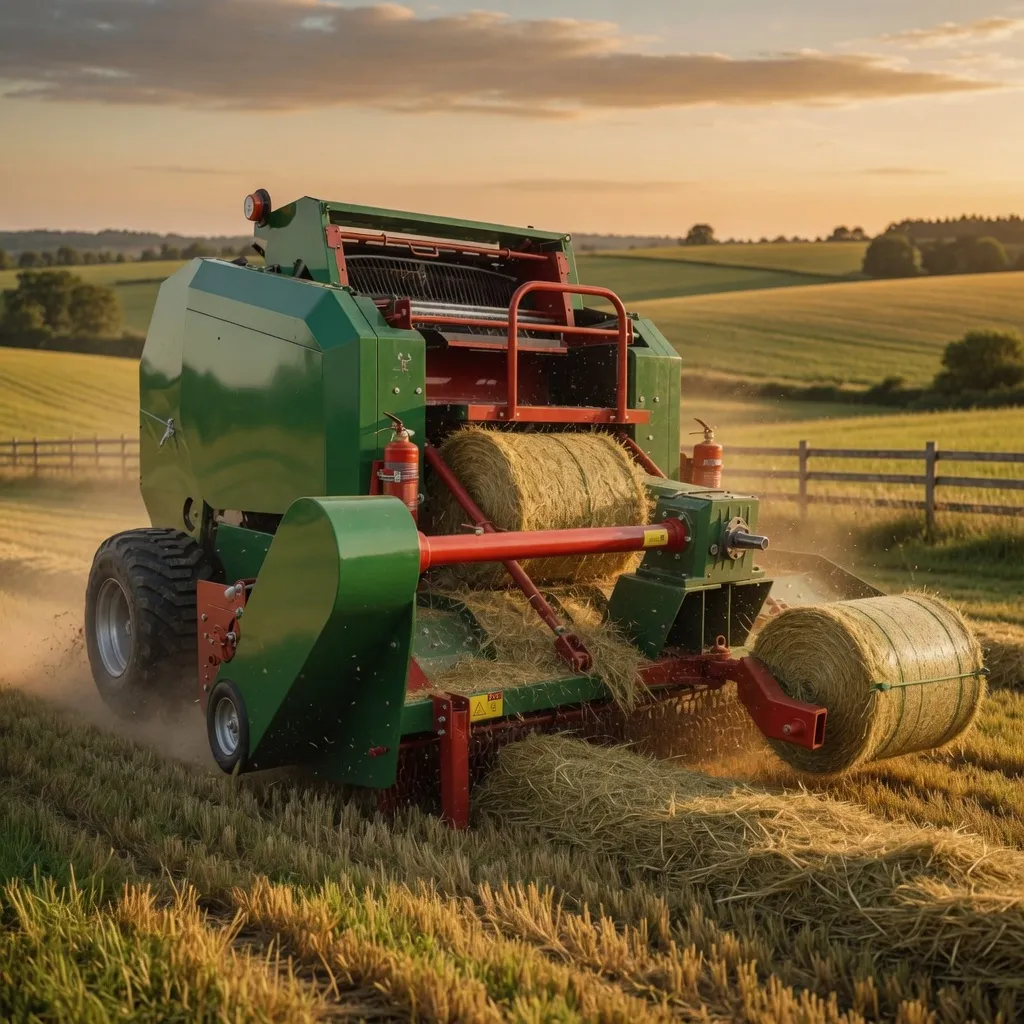
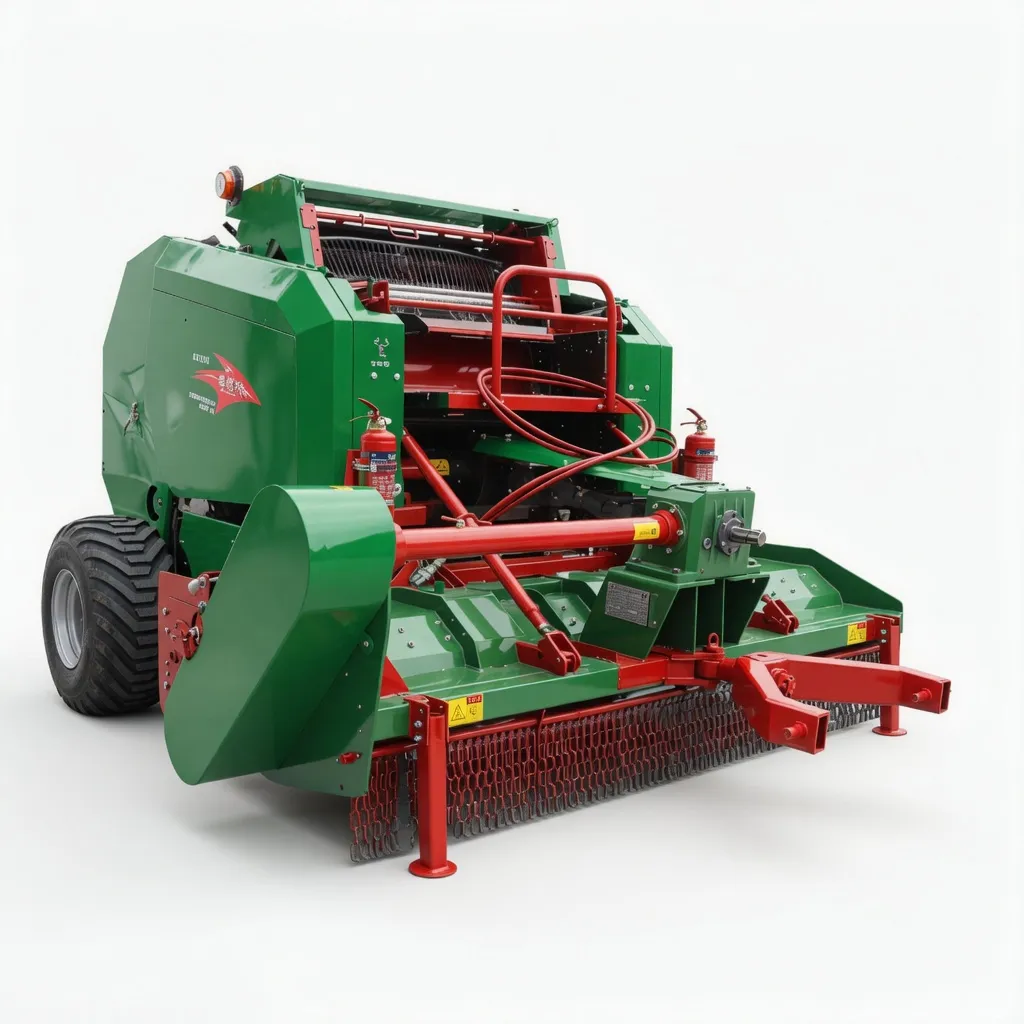
Recommended Product: EverPower 9YG-1.0C Round Baler
For farms that are entering silage production for the first time, or that want to add silage capability to an existing hay programme without a major capital outlay, the EverPower 9YG-1.0C is the compact round baler that makes the transition practical. It produces 1.0m diameter bales at tractor requirements as low as 30 PTO hp, making it compatible with the utility tractors that most small and mid-size Australian farms already operate. The bales it produces are dense enough for effective silage fermentation when wrapped, and light enough for standard front-end loaders to handle through storage and feedout.
Related reading: For a detailed look at how wrapping protects silage quality on dairy farms, see our application guide: Reducing Dry Matter Loss on Dairy Farms with a Combined Baler Wrapper.
EverPower Baling Machinery Australia Pty Ltd
27 Harley Crescent, Condell Park NSW 2200
+61 2 9708 3322
[email protected]
Frequently Asked Questions
27 Harley Crescent, Condell Park NSW 2200 | +61 2 9708 3322 | [email protected]
About Us | Contact Us