
For Silage, Variable Chamber Is Not a Premium Feature — It Is a Technical Requirement
The variable chamber vs fixed chamber debate in round baling is often framed as a cost question — fixed chamber balers are cheaper, so when does the variable chamber premium pay off? For dry hay operations with consistent crop and consistent targets, the debate is genuinely about cost and the fixed chamber can be the right answer. For silage operations, the debate barely exists. Variable chamber balers are technically better suited to silage production in ways that directly affect fermentation quality, not just operator convenience. Understanding why requires understanding what happens inside the chamber during silage bale formation — and why the fixed chamber’s approach to bale density creates problems that only become apparent after wrapping, in storage, and at the nutritional analysis stage.
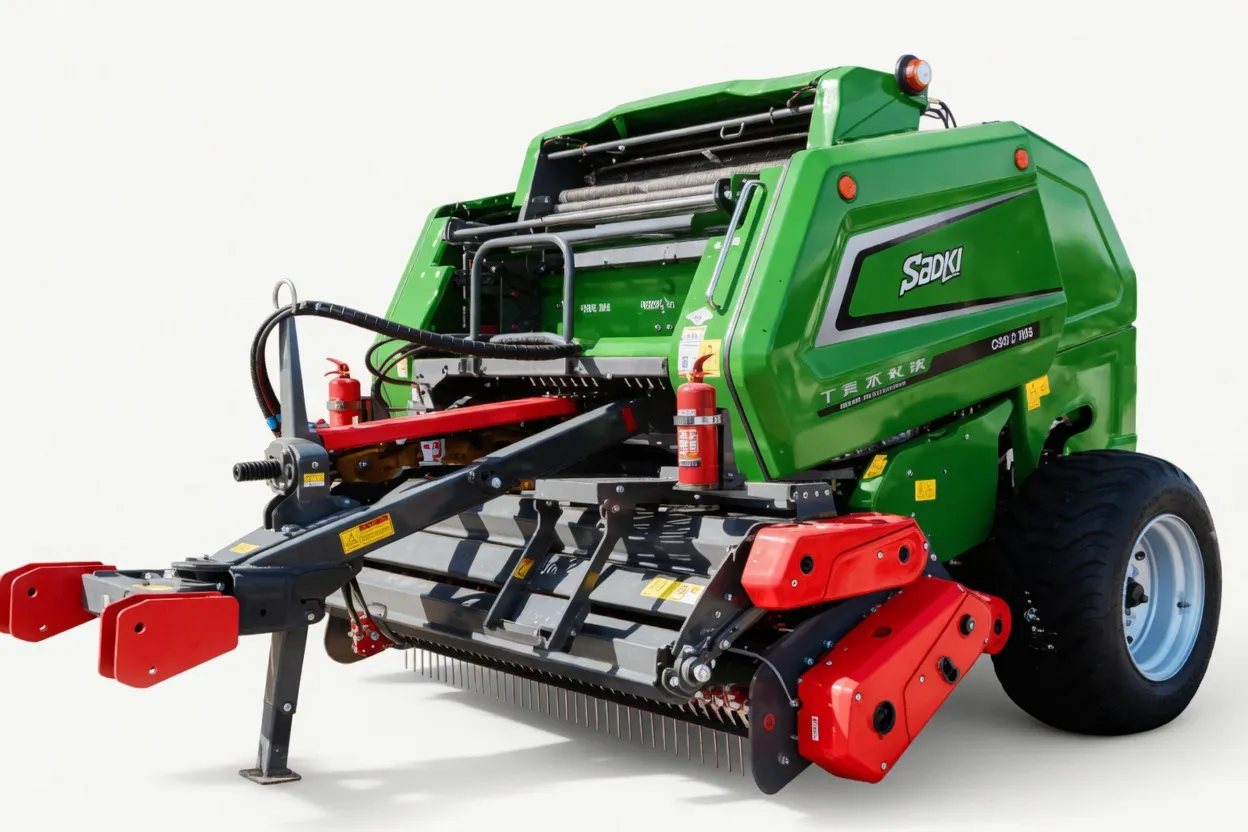
Variable chamber balers expand to accommodate the growing bale under controlled tension — the same mechanism that maintains consistent density across moisture variation also produces the dense, round bale profile that optimises film wrapping quality.
How Fixed Chamber and Variable Chamber Differ in Silage Conditions
A fixed-chamber round baler has a defined, non-changing chamber volume — the chamber is always the same size and the bale forms by packing material increasingly tightly into this fixed space. The compression force comes from the material’s own resistance to being packed — the denser the material inside the chamber, the more force the new material entering the chamber must overcome to continue filling. This mechanism works well for dry hay because dry crop compresses predictably and consistently to a stable density once the chamber is full.
High-moisture silage crop behaves very differently. Green, moisture-laden material is less compressible than dry hay — it deforms rather than compressing, and the expelled moisture creates a liquid-lubrication effect between stems that allows them to slide past each other under compression rather than interlocking. A fixed-chamber baler trying to pack wet silage material to the same density as it would pack dry hay encounters two problems: the material does not interlock and compress to the target density, resulting in a loose bale that rings hollow; and in attempting to force more material in, the system tends to either overflow the chamber opening (material piles up at the intake) or form an oval bale where the pressure was concentrated.
A variable-chamber baler solves this by applying consistent outward tension to the expanding belt system as the bale grows. The compression force comes from the belt tension resisting the bale’s expansion — the bale is squeezed from outside as it grows, rather than packed from the intake end. This mechanism is effective with wet silage material because it continuously compresses the bale surface regardless of the internal friction properties of the material, producing consistent density in wet, dry, and intermediate moisture conditions.
Silage-Specific Reason 1: Density Consistency Across Moisture Variation
A single silage paddock can contain crop at 55% moisture near the headlands (where the mower cut earlier and drying has progressed further) and 70% moisture in the paddock centre. In a fixed-chamber baler, these two zones produce bales of significantly different density — the drier, more compressible headland material packs tightly; the wetter centre material fills the chamber volume with lower mass per cubic metre. The density indicator may signal the same chamber pressure for both, but the actual DM per bale is substantially lower for the wet-zone bales.
For silage quality, this density variation matters enormously. Low-density bales have more internal air space per unit of DM — more oxygen to consume before anaerobic conditions are established, slower pH drop, and higher clostridial fermentation risk. A variable-chamber baler with consistent belt tension produces similar density regardless of crop moisture because the tension mechanism responds to the bale’s resistance to expansion rather than to the material’s compressibility.
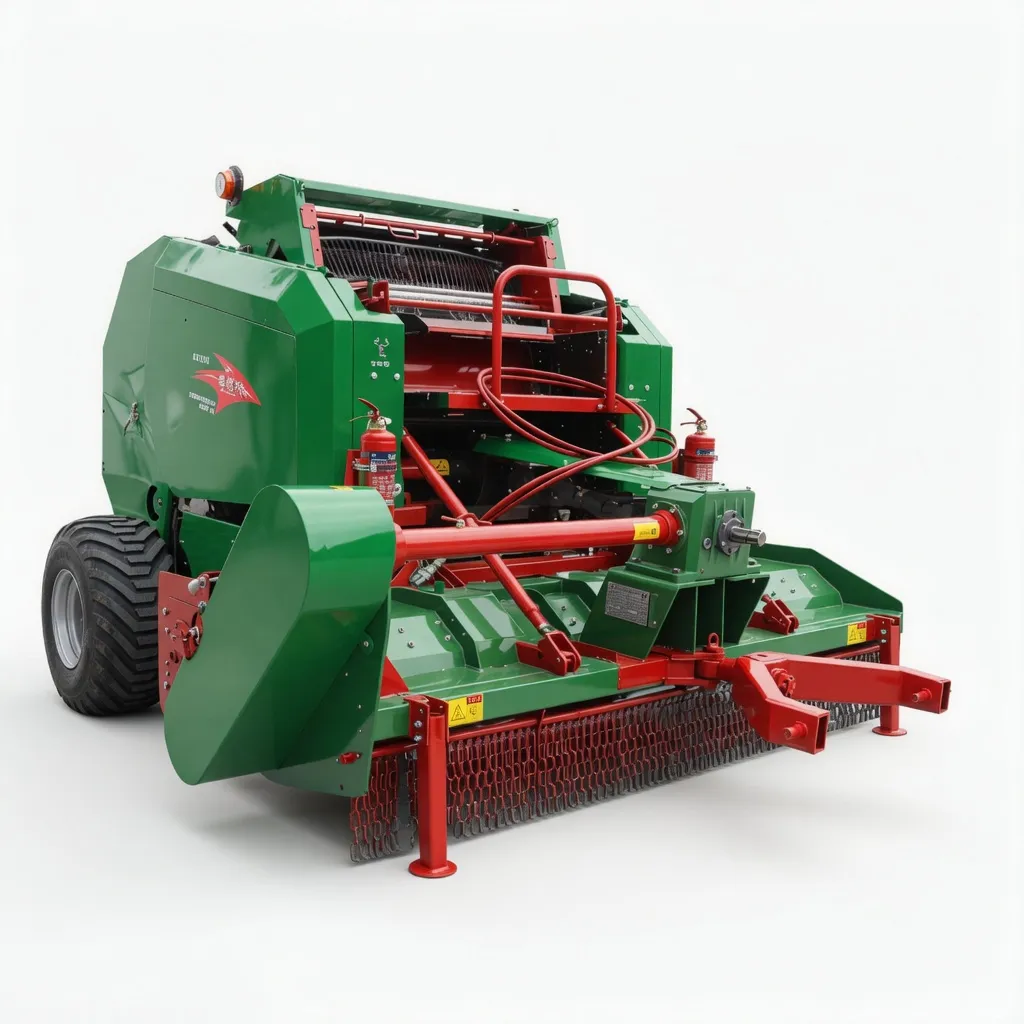
Variable chamber balers maintain consistent density across the moisture variation that occurs within a single Australian silage paddock — this consistency is the foundation of predictable fermentation quality across every bale in the season.
Silage-Specific Reason 2: Better Bale Shape for Film Wrapping
Variable-chamber balers consistently produce rounder, more uniformly cylindrical bales than fixed-chamber balers in silage conditions. The outward tension applied by the belt system across the full bale circumference prevents the localised bulging that occurs in fixed-chamber bales between the contact points where pressure is applied. A true cylinder presents the most consistent surface distance from the film arm during wrapping, producing the most uniform film tension and layer thickness across the bale surface.
An oval or pear-shaped fixed-chamber silage bale creates variable surface distance during wrapping — the film arm is at different distances from the bale surface at different points in its orbit. Some zones receive over-stretched film (tighter, with reduced effective coverage depth) while others receive under-stretched film (looser, with reduced oxygen barrier quality). The wrapping quality difference between a round variable-chamber bale and an irregular fixed-chamber bale in silage conditions is visible to the naked eye — and measurable in the fermentation analysis at opening.
When Is a Fixed-Chamber Baler Appropriate for Silage?
Fixed-chamber balers can produce acceptable silage bales in narrow conditions: crop moisture consistently below 60%, uniform paddock yield, short baling windows where moisture variation is minimal, and operations where bale density consistency targets are less demanding (beef backgrounding rather than dairy TMR). On operations with highly variable crop conditions, high-production dairy targets, or premium silage markets, the variable-chamber baler’s performance advantages justify its higher purchase price through better silage quality outcomes, lower storage loss rates, and more consistent ration delivery to the herd.
Recommended Product: 9YG-2.24D S9000 Beyond (Variable Chamber)
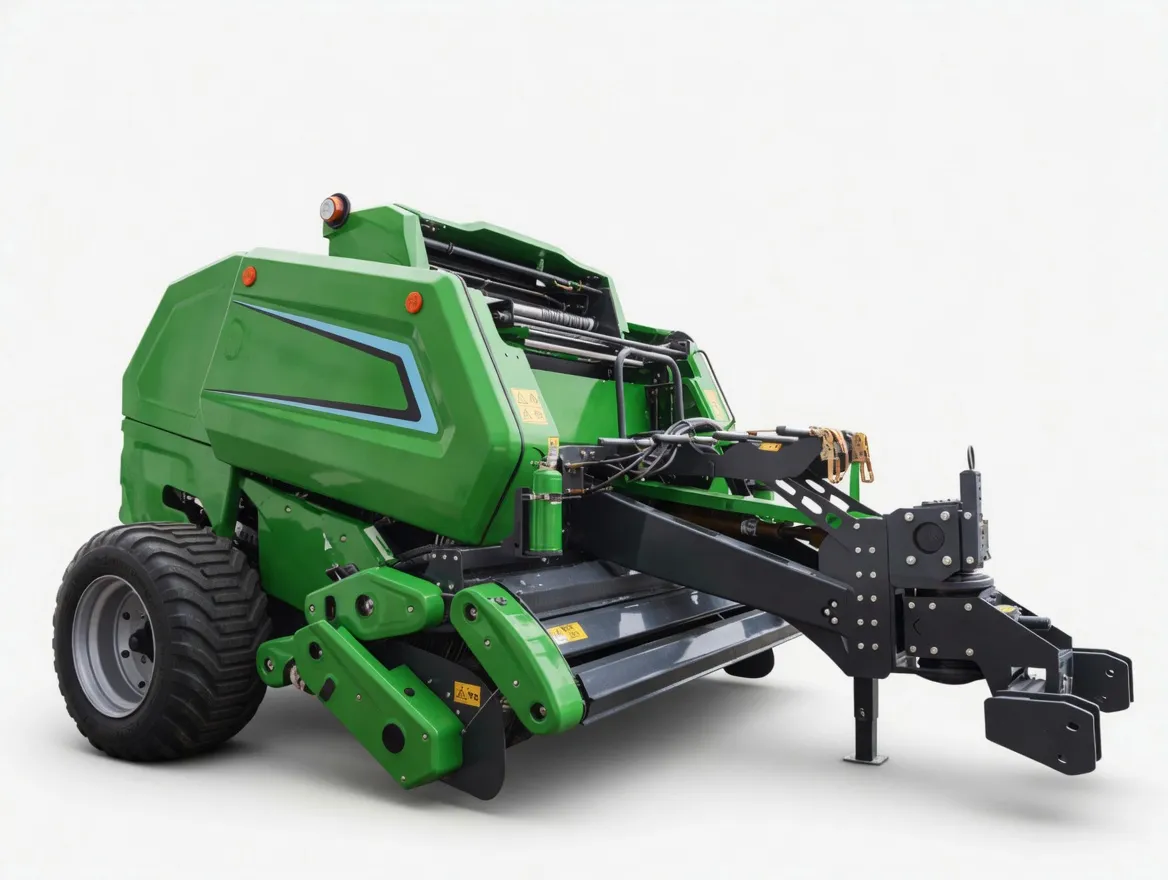
Variable-chamber design with hydraulic accumulator belt tension for consistent density across moisture variation. Produces true cylindrical bales for optimal film wrapping geometry. Net wrap as standard for dairy-quality silage requirements. Available from EverPower’s Condell Park NSW warehouse. Contact EverPower to compare the 9YG-2.24D against the 9YG-1.25A for your specific silage target and herd size.
Frequently Asked Questions
Variable Chamber. Consistent Density. Better Silage Every Bale.
EverPower can confirm chamber type and tension system specifications for each 9YG model and advise on the right selection for your silage quality targets.
EverPower Baling Machinery Australia Pty Ltd | 27 Harley Crescent, Condell Park NSW 2200
📞 +61 2 9708 3322 | ✉️ [email protected]