Fixed chamber and variable chamber round balers both produce cylindrical bales, but they do so through fundamentally different mechanisms. For silage production specifically, the variable chamber design offers advantages in bale density control, moisture tolerance, and operational flexibility that fixed chamber designs cannot replicate. Understanding where those advantages apply — and where a fixed chamber may still be adequate — is essential for making the right purchase decision.
How the Two Chamber Types Work
A fixed chamber baler has a rigid set of rollers arranged in a circle at a predetermined diameter. Material enters the chamber and is tumbled against these fixed rollers until the chamber is full. The bale diameter is constant — every bale exits at the same size regardless of crop type, moisture level, or operator preference. The compression force comes from the forage packing against the rigid roller frame as more material is fed in.
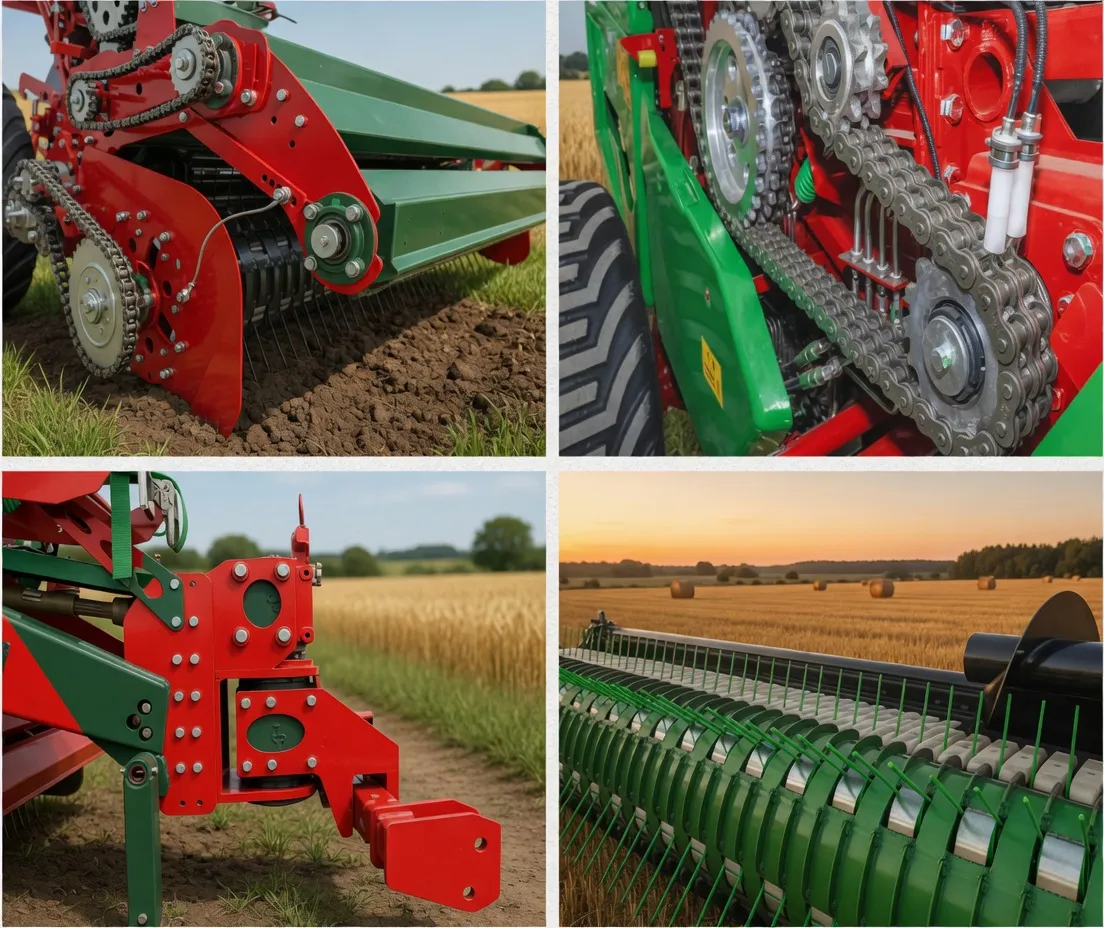
A variable chamber baler uses a series of flexible belts or chains that expand outward as the bale grows. The bale starts small in the centre, and as more material is added, the belts stretch to accommodate the increasing diameter. The operator sets a target diameter, and the baler continues feeding material until that target is reached. This means the same machine can produce bales ranging from approximately 0.6m to 1.8m diameter depending on the model and operator setting, and the compression is applied progressively throughout the entire bale formation — not just at the end.
| Feature | Fixed Chamber | Variable Chamber |
|---|---|---|
| Bale diameter | Single fixed size | Adjustable (0.6–1.8m) |
| Core density | Softer core, denser outer | Uniform throughout |
| High-moisture crops | Adequate | Superior — progressive compression |
| Multi-crop flexibility | Limited adjustment | Full adjustment per bale |
| Purchase cost | Lower | Moderate to higher |
| Mechanical complexity | Simpler — fewer moving parts | Belts, tensioners, hydraulics |
| Best suited for | Dry hay, single crop type | Silage, mixed crops, variable conditions |
Uniform Density: Why It Matters for Silage
In silage production, bale density directly determines fermentation quality. A fixed chamber baler compresses from the outside in, which means the outer layers of the bale are tightly packed against the rollers while the core remains comparatively loose. This density gradient creates a problem: the loose core traps more air, and the fermentation in the centre of the bale proceeds differently from the fermentation in the outer layers. In contrast, a variable chamber baler applies belt tension from the first handful of material that enters the chamber. The core is compressed first, and subsequent layers are compressed against an already-dense core. The result is a bale with more uniform density from centre to surface, which produces more consistent fermentation throughout the bale and reduces the risk of core spoilage.
High-Moisture Performance
Silage is typically baled at 45 to 65 percent moisture content — significantly wetter than dry hay. High-moisture forage behaves differently in the baling chamber: it is heavier per unit volume, more prone to compaction, and generates more friction against chamber surfaces. In a fixed chamber baler, the heavy, wet material can bridge across the rigid rollers, creating voids and inconsistencies. The fixed diameter also means the bale weight increases substantially with wet material, potentially exceeding the handling capacity of the farm’s loader or wrapper. A variable chamber baler handles high-moisture crops more effectively because the progressive belt tension adjusts to the changing resistance as moisture increases. The operator can also reduce the target bale diameter when working with very wet crops, producing a smaller, lighter bale that stays within the handling capacity of the equipment chain without changing the baler itself.
Bale Size Flexibility Across Seasons
Australian farms rarely bale a single crop at a single moisture level throughout the year. A typical mixed-farming operation might bale wet ryegrass silage in spring, drier lucerne hay in summer, and cereal straw after harvest in autumn. Each crop has different density characteristics, different moisture levels, and different optimal bale sizes. The variable chamber baler handles this diversity with a single machine: smaller, lighter bales for wet silage that will be individually wrapped; larger, denser bales for dry hay destined for storage; and mid-range bales for cereal straw that needs to stack efficiently. A fixed chamber baler produces the same size bale regardless of the crop, and the operator’s only adjustment is forward speed and whether to accept the resulting weight and density.
When a Fixed Chamber Baler Is Still the Right Choice
Fixed chamber balers are mechanically simpler. With fewer belts, tensioners, and hydraulic components, there are fewer wear items and lower annual maintenance costs. For farms that primarily produce dry hay from a single grass species at a consistent moisture level, the fixed chamber delivers perfectly adequate bale quality at a lower purchase price and with less maintenance complexity. The fixed chamber also tends to cycle slightly faster than a variable chamber at maximum diameter, which can translate to higher throughput in pure dry-hay operations. If the farm does not make silage, does not need to vary bale size between crops, and prioritises simplicity and lower cost, a fixed chamber remains a sound choice.
Wrapper Compatibility and Handling Considerations
Variable bale sizes create an additional consideration: the wrapper and handling equipment must accommodate the range. Most modern bale wrappers handle diameters from 0.8m to 1.6m without adjustment, but operators need to verify compatibility before producing bales at the extreme ends of the diameter range. Similarly, the farm’s front-end loader or bale spike must handle the heaviest bale the variable chamber can produce at maximum diameter and maximum crop moisture. Matching the full equipment chain — baler, wrapper, loader, and transport trailer — to the range of bale sizes the variable chamber can produce ensures that the flexibility of the baler translates into operational flexibility rather than handling bottlenecks.
Recommended Product: EverPower 9YG-2.24D Round Baler S9000
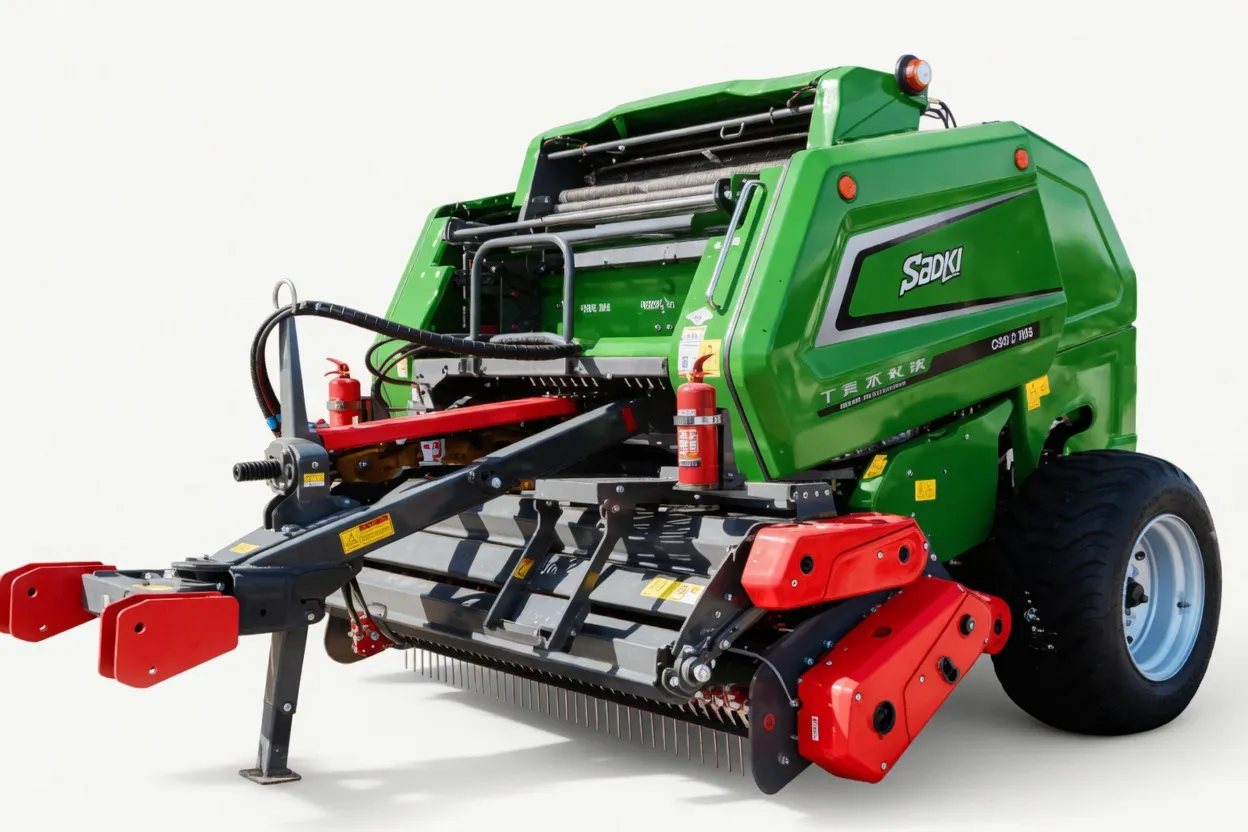
The EverPower 9YG-2.24D Round Baler S9000 is a variable chamber machine producing bales from 0.8m to 1.8m diameter with adjustable chamber pressure and belt tension. Designed for silage-first operations, the S9000 delivers the uniform core density, high-moisture tolerance, and bale size flexibility that make variable chamber technology the preferred choice for farms producing wrapped round baler silage in Australian conditions.
Related reading: See how high-volume dairy operations configure their silage baler setup: The Best Silage Baler Setup for High-Volume Dairy Operations.
EverPower Baling Machinery Australia Pty Ltd
27 Harley Crescent, Condell Park NSW 2200
+61 2 9708 3322
[email protected]
Frequently Asked Questions
27 Harley Crescent, Condell Park NSW 2200 | +61 2 9708 3322 | [email protected]
About Us | Contact Us