Australian dairy farmers face a simple but consequential choice every harvest season: preserve surplus pasture as silage or as hay. Both products feed cows through the months when pasture supply falls short of herd demand, but they differ significantly in how much of the original plant’s nutritional value survives the preservation process and arrives at the feed pad. For dairy herds where every megajoule of metabolisable energy and every gram of crude protein translates directly into litres of milk, that preservation efficiency determines whether stored feed supplements the herd’s production or merely sustains its survival.
Two Preservation Pathways, Two Nutritional Outcomes
Hay preservation works by removing moisture from the forage through extended sun drying until the water content drops below 15 percent. At this moisture level, microbial activity effectively ceases because there is not enough free water to sustain growth. The forage is preserved by dehydration — a simple, low-cost process, but one that exposes the crop to extended weathering and mechanical handling that degrades nutritional quality.
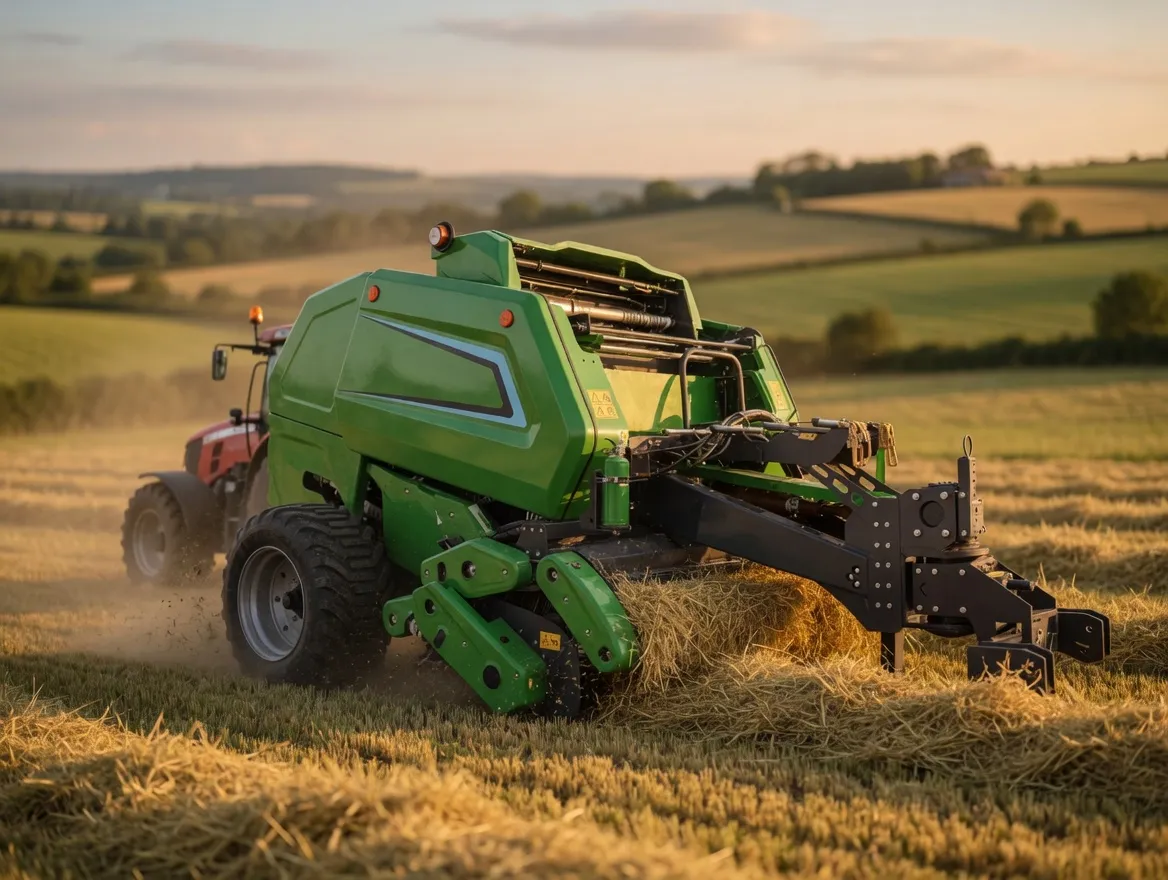
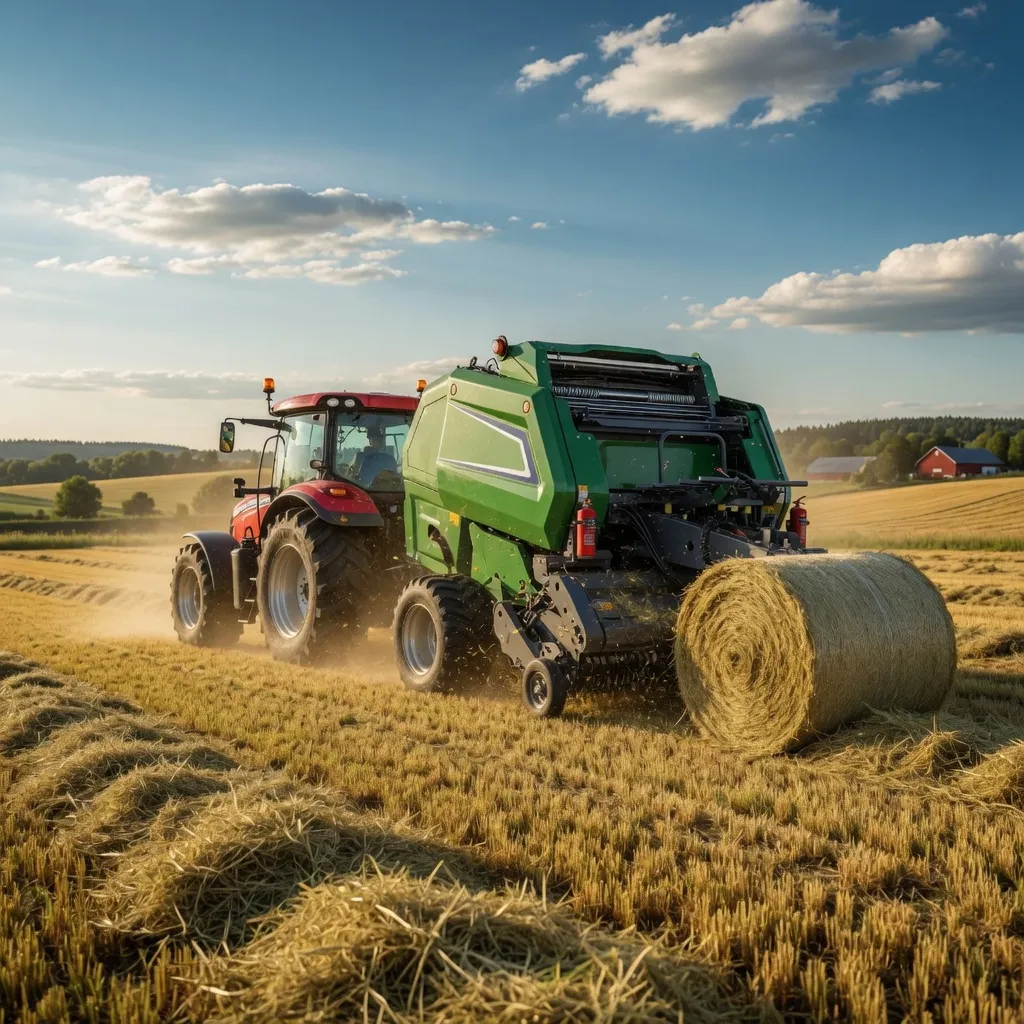
Silage preservation works by excluding oxygen and allowing anaerobic fermentation to drop the forage pH to a level where spoilage organisms cannot function. The crop is preserved at 45 to 65 percent moisture — much closer to its original fresh state — and the fermentation process itself adds organic acids that improve rumen function and feed palatability. The round baler and bale wrapper machine are the mechanical systems that make this fermentation pathway possible in bale format.
| Nutritional Factor | Well-Made Silage | Well-Made Hay | Dairy Impact |
|---|---|---|---|
| Metabolisable Energy (MJ/kg DM) | 10.0–11.5 | 8.5–9.5 | Higher ME = more milk per kg fed |
| Crude Protein (%) | 14–22% | 8–14% | Higher CP supports milk protein synthesis |
| DM Loss During Preservation | 3–8% | 15–30% | Less waste = more feed from same paddock |
| Vitamin A Retention | 80–90% | 10–30% | Critical for fertility and calf health |
| Palatability / Voluntary Intake | Higher | Lower | Cows eat more silage = higher total intake |
| Weather Risk at Harvest | Low (24–36 hr wilt) | High (3–7 day drying) | More reliable harvest = less rain damage |
Why Silage Retains More Energy and Protein
The nutritional advantage of silage begins at the cutting stage and compounds through every subsequent step. Silage is cut earlier in the plant’s growth cycle — at the pre-heading to early-heading stage when metabolisable energy and crude protein are at their peak. Hay is often cut later, at or after heading, because the crop needs to be mature enough to withstand the extended drying period without shattering. Later cutting means lower digestibility, lower protein, and higher fibre content.
The drying process itself degrades nutrients. During the 3 to 7 days of field drying required for hay, the plant’s cellular respiration continues consuming stored sugars and proteins. Rain events during drying leach soluble nutrients from the exposed windrow. Mechanical handling (tedding, raking) causes leaf shatter — and the lost leaves are the highest-protein, most digestible fraction of the plant. By the time hay reaches stable storage moisture, 15 to 30 percent of the original dry matter has been lost. Silage, by contrast, is wilted for only 24 to 36 hours before baling and wrapping, limiting the exposure to weathering, leaf loss, and continued respiration. The result is a preserved product that retains 92 to 97 percent of the original dry matter — and the nutritional quality of that dry matter is measurably higher because of the earlier cutting stage.
The Milk Yield Difference
Dairy nutrition research consistently demonstrates a positive milk yield response when silage replaces hay in the supplementary feeding programme. The magnitude of the response depends on the quality differential between the specific silage and hay being compared, but representative trials from Australian and New Zealand dairy research show that replacing hay with well-made silage of equivalent pasture origin increases milk yield by 1.5 to 3.0 litres per cow per day. For a 200-cow herd fed supplementary silage for 120 days per year, that yield response represents an additional 36,000 to 72,000 litres of milk per season — a production gain worth AUD 25,000 to 50,000 at typical farmgate milk prices. The silage programme’s additional cost (wrapping film, wrapper depreciation) is a fraction of this production gain.
Harvest Reliability: The Weather Factor
Hay production requires a continuous dry weather window of 3 to 7 days after cutting. In Australian dairy regions — Gippsland, western Victoria, Tasmania, the Mid North Coast — reliable multi-day dry windows are not guaranteed during the prime spring and autumn growth periods. Rain on a drying hay windrow leaches nutrients, promotes mould, and can reduce the value of the crop to the point where the hay is only suitable for livestock bedding rather than productive feeding. Silage requires a much shorter weather window — typically 24 to 36 hours of drying conditions before baling. The shorter window means more harvest opportunities per season, more reliable production planning, and less crop loss from untimely rain events. For dairy farms in higher-rainfall zones, silage is often the only preservation method that reliably captures the full seasonal forage surplus.
When Hay Still Makes Sense
The nutritional advantages of silage do not make hay obsolete on dairy farms. Hay serves specific roles that silage does not fill as effectively: structural fibre for rumen function in high-concentrate diets, drought reserve feed that stores for years without film degradation risk, and a saleable commodity with an established market and transport infrastructure that silage does not share. The most efficient dairy feeding programmes use both products strategically: silage as the primary supplementary feed for production (energy, protein, palatability), and hay as structural fibre, emergency drought reserve, and saleable surplus. The round baler produces both products from the same paddock in the same season — the difference is the moisture target at baling and whether the bale is wrapped or stored dry.
Calculating the Cost Per Megajoule
The true comparison between silage and hay for dairy feeding is not cost per bale or cost per tonne — it is cost per megajoule of metabolisable energy delivered to the cow. Silage has higher production costs per bale (film, wrapping time) but delivers more energy per kilogram of dry matter, retains more dry matter from the original crop, and produces a higher voluntary intake response from the herd. When these factors are combined, silage typically delivers energy to the cow at a lower cost per megajoule than hay, despite its higher per-bale production cost. For dairy farms making the investment case for a silage baler machine and wrapper, the cost-per-MJ calculation — not the cost-per-bale comparison — provides the accurate financial picture.
Recommended Product: EverPower 9YG-2.24 S9000 Beyond
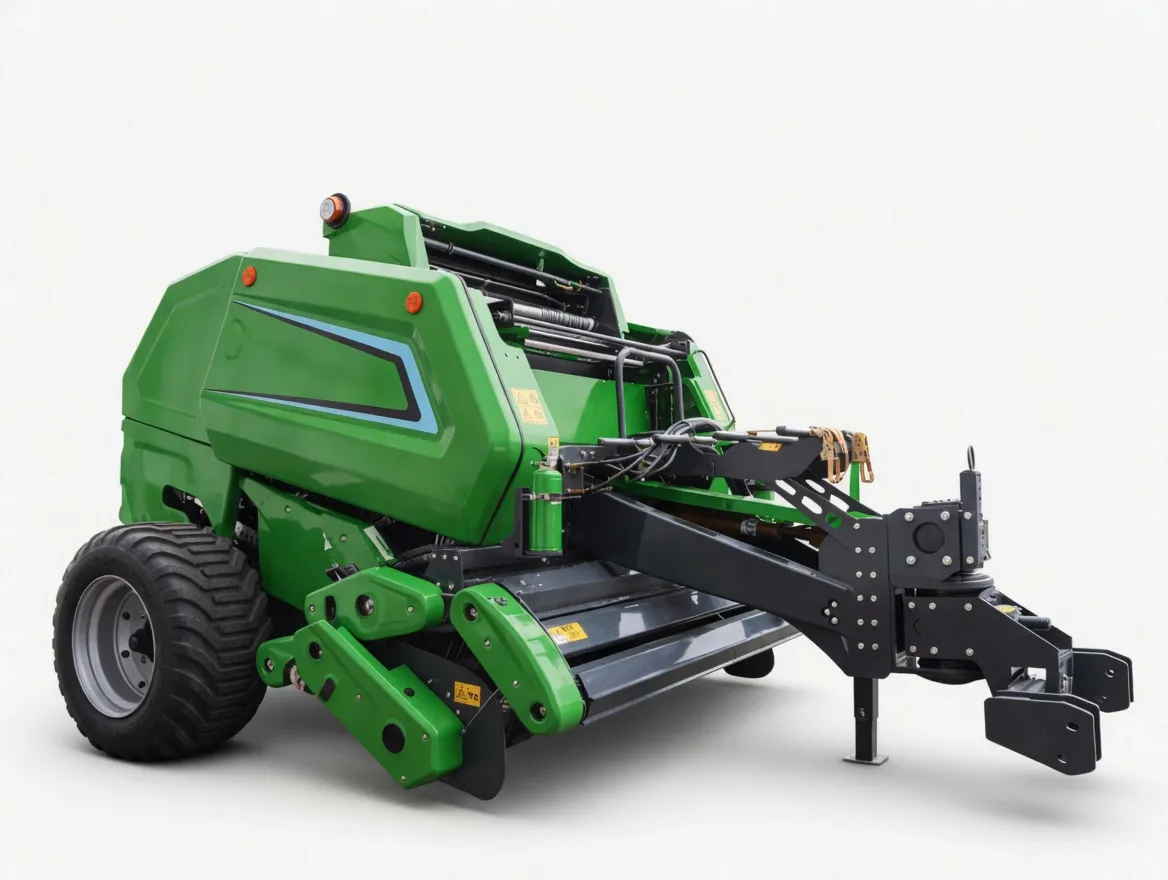
For dairy operations producing both silage and hay across the season, the EverPower 9YG-2.24 (S9000 Beyond) is the variable chamber platform that delivers commercial-scale production for both preservation pathways from a single machine. The 2.24m bale format maximises feed volume per bale for dairy herds consuming multiple bales per day, and the variable chamber adjusts automatically between silage moisture (dense, high-pressure compression) and hay moisture (moderate pressure to maintain bale integrity during handling).
Related reading: See how dairy farmers use round balers to secure year-round silage supply: How Dairy Farmers Use Round Balers to Secure Year-Round Silage Supply.
EverPower Baling Machinery Australia Pty Ltd
27 Harley Crescent, Condell Park NSW 2200
+61 2 9708 3322
[email protected]
Frequently Asked Questions
27 Harley Crescent, Condell Park NSW 2200 | +61 2 9708 3322 | [email protected]
About Us | Contact Us