Description
Product Specifications
| No. | Parameter | Unit | Specification |
|---|---|---|---|
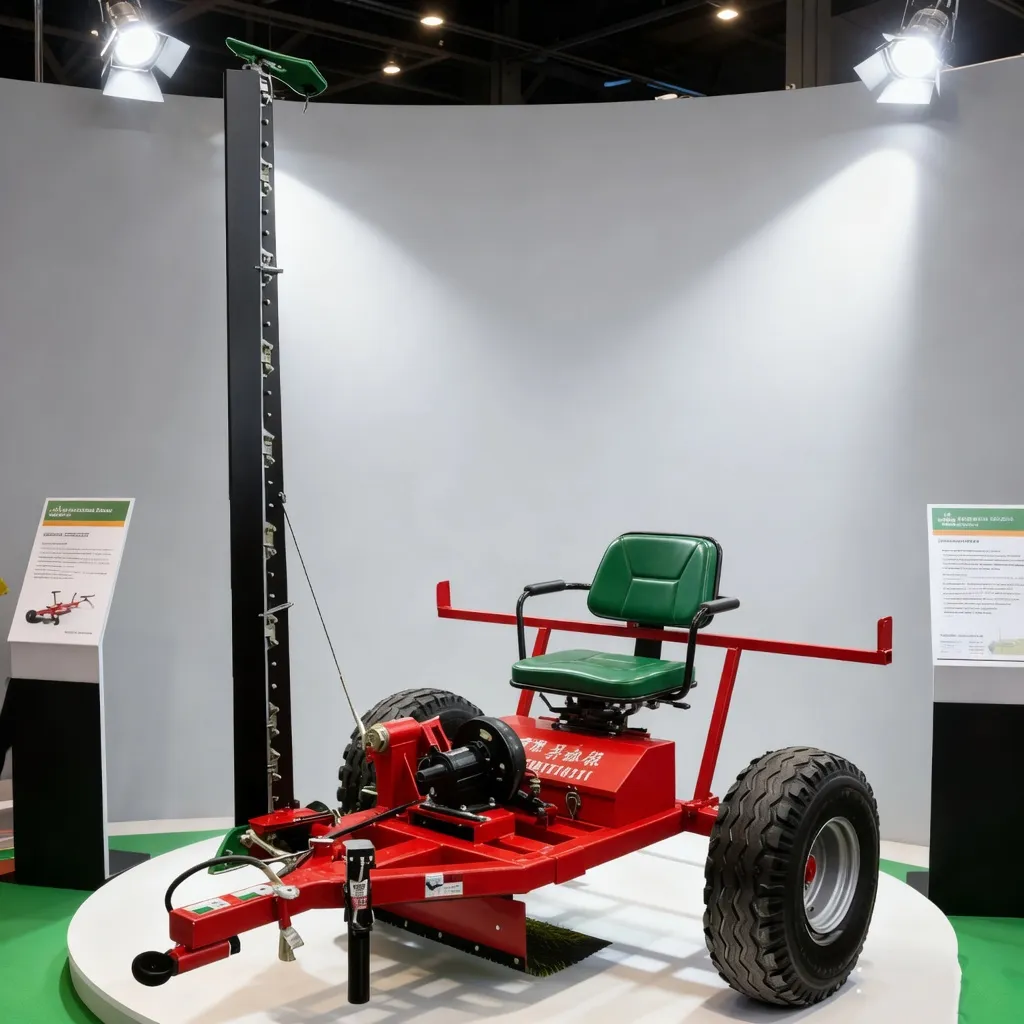
| 1 | Model Name | — | 9GD-2.5 Traction Single-Blade Mower |
| 2 | Hitching Method | — | Traction Type |
| 3 | Cutter Structure | — | Reciprocating Type |
| 4 | Cutting Width | m | 2.5 |
| 5 | Matching Power | kW | 15–35 |
| 6 | Operation Speed | km/h | 6–10 |
| 7 | Number of Moving Blades | pcs | 34 |
| 8 | Overall Dimensions (L×W×H) | mm | 2000 × 4300 × 950 |
| 9 | PTO Speed | r/min | 540 |
| 10 | Average Cutting Height | mm | 50–70 |
| 11 | Productivity | hm²/h | 2.0–3.0 |
| 12 | Operators | person | 1 |
| 13 | Structural Weight | kg | 490 |
Product Overview
Where the 9GD-2.5 basic model is positioned for small farms and lifestyle properties, the 9GD-2.5 Model version is specified, marketed, and engineered for demanding large-scale agricultural pasture management and crop harvesting. The specifications are shared because the engineering is shared — but the operational context, the field intensity, and the maintenance expectations are different. A commercial beef operation mowing 300 ha of pasture per year in 35-degree heat on a Queensland tableland puts different cumulative loads on a mower than a lifestyle farm cutting a horse paddock twice annually.
With 34 reciprocating blades across a 2.5 m working width, cutting at 50–70 mm height and producing 2.0–3.0 ha/h of cleanly cut pasture, the 9GD-2.5 Model delivers the output that mid-scale agricultural operations need without the capital cost, power requirement, or operating complexity of rotary disc equipment. The 15–35 kW power range remains the rated minimum, but agricultural operations in this context typically run the machine at 25–35 kW — the upper end of the range that provides comfortable torque reserve through a full 10-hour working day.
What distinguishes the Model version in practice is the combination of application focus and the set of compatible tractor brands that reflect large-scale agricultural use: John Deere 5M and 6M Series (25–55 kW), Massey Ferguson 4700 and 5700 Series (30–55 kW), New Holland T4 and T5 Series (30–55 kW), and Case IH Farmall Series (30–55 kW) — the tractors that working farms rather than lifestyle properties keep in their sheds for production tasks.
Technical Features — Built for Production Demands
34-Blade Precision Cut at Agricultural Intensity
In large-scale agricultural use, the 34 blades of the 9GD-2.5 Model face cumulative operating loads that are qualitatively different from small-farm use. A commercial operation running 400+ hours per season across unimproved or semi-improved pasture — including the silica-rich grasses common on Queensland’s western slopes and NSW’s central tablelands — puts genuine demands on blade edge retention and carrier bar integrity. The blade specification and steel grade on the Model version reflects production-intensity use, not the light-duty pasture maintenance that the basic version covers. Production operators typically replace blades at 80–120 hours rather than the 150–200 hours of light-duty use, and budget accordingly.
50–70 mm Cut Height — Agronomic Compliance Across Crop Types
Agricultural pasture management protocols increasingly specify minimum cut heights across species: 50 mm for perennial ryegrass to maintain growing-point integrity; 60 mm for kikuyu to preserve vegetative nodes; 65–70 mm for native pasture species to avoid removing root-energy reserves that support regrowth through the dry season. The 9GD-2.5 Model’s 50–70 mm range aligns with all these protocols, and the skid-shoe height adjustment allows the operator to set the appropriate minimum for the predominant species in each paddock without carrying separate adjustment equipment.
2.0–3.0 ha/h — Matching Contractor-Scale Productivity
In commercial agricultural mowing, 2.0–3.0 ha/h is the expected productivity for a 2.5 m working-width machine. On a 10-hour shift at 8 km/h (mid-range for the machine’s 6–10 km/h rating), the 9GD-2.5 Model covers 20 ha — the daily target for a contractor visiting a medium-size beef or sheep property for a single-day cut. At 2.5 m, this machine is not competing with 5 m disc mowers on large-scale operations; it is the right tool for medium-scale work where precision, reliable cut height, and low running cost matter more than maximum daily coverage.
15–35 kW — Maximum Value from the Mid Tractor
Agricultural operations often have their primary tractor committed to other tasks — cultivation, seeding, spraying — during the mowing window. The 9GD-2.5 Model’s 15–35 kW power requirement allows a secondary compact tractor to carry the mowing task independently, keeping the primary tractor available for higher-priority field operations. On farms with a 35 kW compact tractor used for general maintenance tasks, adding the 9GD-2.5 Model turns that tractor into a productive mowing asset during the forage-production season without reassigning the primary machine.
490 kg — Maximising Tractor Productivity on Light Ground
The 490 kg machine weight contributes to productivity on agricultural operations in a specific way: on the semi-improved or lightly cultivated pasture soils common across large-scale Australian grazing enterprises, low towing weight reduces ground compaction during the mowing pass. The 9GD-2.5 Model’s light weight leaves less wheel track than heavier rotary alternatives — a practical agronomic benefit on the perennial pastures that need careful management to maintain ground cover and root integrity across multiple-year cutting programmes.
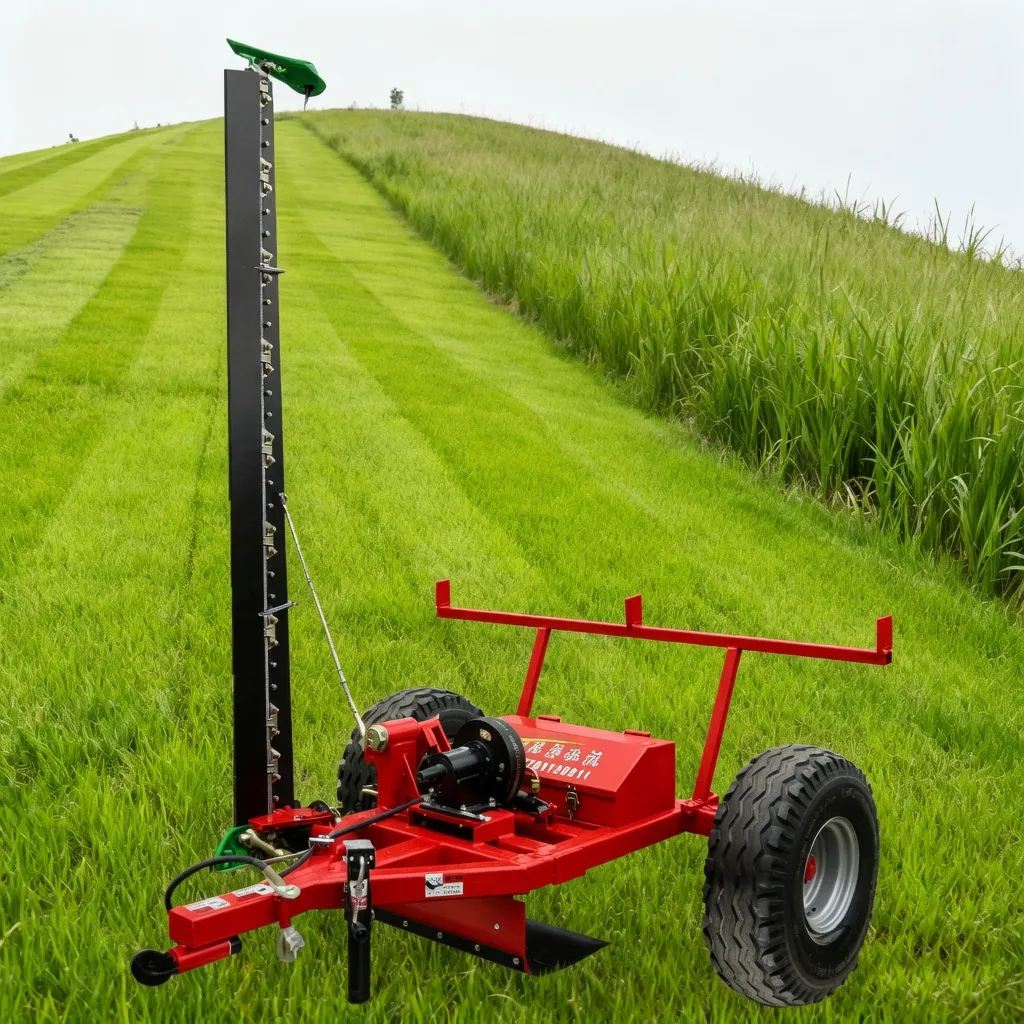
From Pasture to Windrow — Operating the 9GD-2.5 Model
Set cut height on skid shoes to the agronomic minimum for the paddock’s predominant species (50 mm for ryegrass, 60 mm for kikuyu, 65 mm for native pasture). Inspect all 34 blades and grease two main nipples. Confirm PTO engagement and full lock before moving off.
Engage PTO at low engine speed, bring to 540 rpm, then increase ground speed to the paddock-appropriate rate. On light open pasture, 8–10 km/h is achievable. On dense lodged grass or wet conditions, 6–7 km/h maintains cut quality.
Cut material lies in a 2.5 m wide swath behind the machine. For hay production, this swath wilts in place before raking or direct baling. For silage, the swath is raked to a narrower windrow after initial wilting to increase moisture loss rate before the baler follows.
After each shift, walk the blade bar and replace any blade showing significant edge loss. Clean grass accumulation from the blade sections. Log operating hours for the scheduled blade replacement at 80–120 hours of production use.
Agricultural operators running the 9GD-2.5 Model in multi-shift operations typically assign the blade inspection and replacement task to a second worker at shift changeover — this keeps the machine producing through the daylight hours while maintenance happens at natural break points rather than interrupting field time.
Applications — Agricultural Operations Where the 9GD-2.5 Model Belongs
Beef & Sheep Station Pasture Management
Large beef and sheep stations managing 200–1,000+ ha of improved and semi-improved pasture use the 9GD-2.5 Model as the primary mowing tool behind a compact tractor dedicated to pasture operations. The machine’s stone tolerance is a genuine operational advantage on stations where paddock preparation is variable and stone contact through the season is statistical certainty. A single season’s use on a mid-sized station typically involves 150–250 operating hours — figures the Model version is designed for, with scheduled blade replacement built into the maintenance budget from the outset.
Hay Production — Pre-Rake Cutting Pass
Agricultural hay producers using a separate windrower or rake after mowing find the 9GD-2.5 Model their preferred cutting machine because of its low operating cost and reliable cut height. The cut is laid as a 2.5 m swath for initial wilting; a wheel rake or rotary rake follows the next morning to consolidate the swath into a baler-ready windrow. On operations producing 1,000–5,000 bales per season from multiple paddocks, the 9GD-2.5 Model’s daily 20 ha output is sufficient to stay ahead of the raking and baling schedule without needing larger or more expensive cutting equipment.
Silage Pre-Cut — Initial Mow Before Raking
Silage operations producing 500–2,000 bales from irrigated pastures use the 9GD-2.5 Model as the first step in the cut-rake-bale-wrap chain. The mower cuts and lays the swath; the rake consolidates after 2–4 hours of wilting; the baler follows at target moisture. This sequenced approach is standard practice on quality-focused silage operations where conditioning and moisture management is tighter than on general hay production, and the 9GD-2.5 Model’s predictable 2.5 m cut width makes paddock planning and scheduling straightforward.
Roadside and Firebreak Management — Large Properties
Large station and agricultural properties maintaining 100+ km of internal fenceLines, firebreaks, and roadside strips use the 9GD-2.5 Model for maintenance mowing alongside the primary pasture use. The machine’s light weight and compact 2,000 × 4,300 × 950 mm operating profile allow it to work along fence lines and road edges where larger equipment cannot approach safely. The reciprocating cutter’s tolerance of the dry, fibrous, mixed-species vegetation that typically grows on roadsides and firebreak margins — including the occasional post-base contact — makes it practical for this secondary maintenance role.
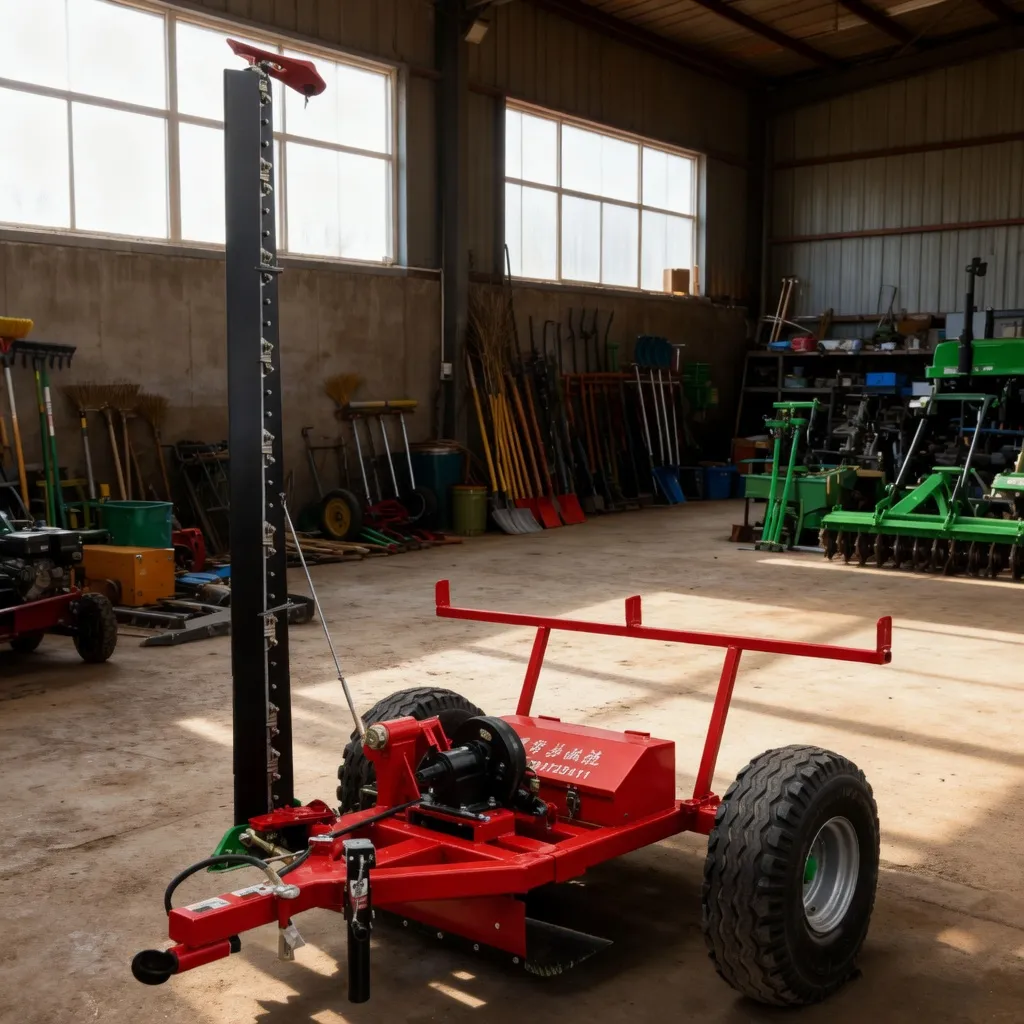
Maintenance at Agricultural Intensity
Production-Scale Daily Routine
In full agricultural production use — 8–10 hours per day, 5–6 days per week during the mowing season — the 9GD-2.5 Model’s daily maintenance routine expands from the light-use schedule. Before each shift: inspect all 34 blades individually and replace any showing edge chips larger than 3 mm (at production intensity, a chipped blade that is acceptable for light use creates a perceptible cut-quality issue at high forward speeds). Grease all three daily nipple points. Clean grass accumulation from the full length of the blade bar — in humid conditions, overnight grass accumulation on the blade section attracts moisture and begins the corrosion process that shortens blade life.
Every 80–120 Operating Hours — Production Blade Change
At production intensity on semi-improved or silica-rich pastures, full blade replacement at 80–120 hours is the agricultural standard rather than the 150–200 hour interval appropriate for light use. Replace all 34 blades as a complete set. Weigh a sample of 6 blades against the new-weight specification — if average wear loss exceeds 12%, the full set is past its useful production life regardless of visible edge condition. EverPower holds production-quantity blade sets for the 9GD-2.5 at Condell Park for next-day east coast delivery, with express freight available for season-critical orders.
End-of-Season — Agricultural-Grade Inspection
Full blade replacement. Full rake inspection on the blade carrier bars for fatigue cracking — production-use carrier bars see cumulative stress cycles that light-use machines do not, and carrier cracks that develop late in the season can propagate to failure if the machine is stored under tension. Inspect and re-torque all blade attachment bolts across the full 34-position bar. Clean and apply protective coating to the cutter bar surface for off-season storage.
Why Agricultural Operations Specify the 9GD-2.5 Model
Steel specification, blade grade, and maintenance schedule designed for agricultural intensity — not hobby-farm intervals.
Meets all Australian pasture management protocol cut-height specifications across ryegrass, kikuyu, and native grass species.
John Deere, Massey Ferguson, New Holland, Case IH in the 25–55 kW bracket — the secondary tractors that agricultural operations dedicate to forage work.
At 2.0–3.0 ha/h and a known blade replacement interval, total cost per hectare mowed is predictable and competitive against rotary disc alternatives.
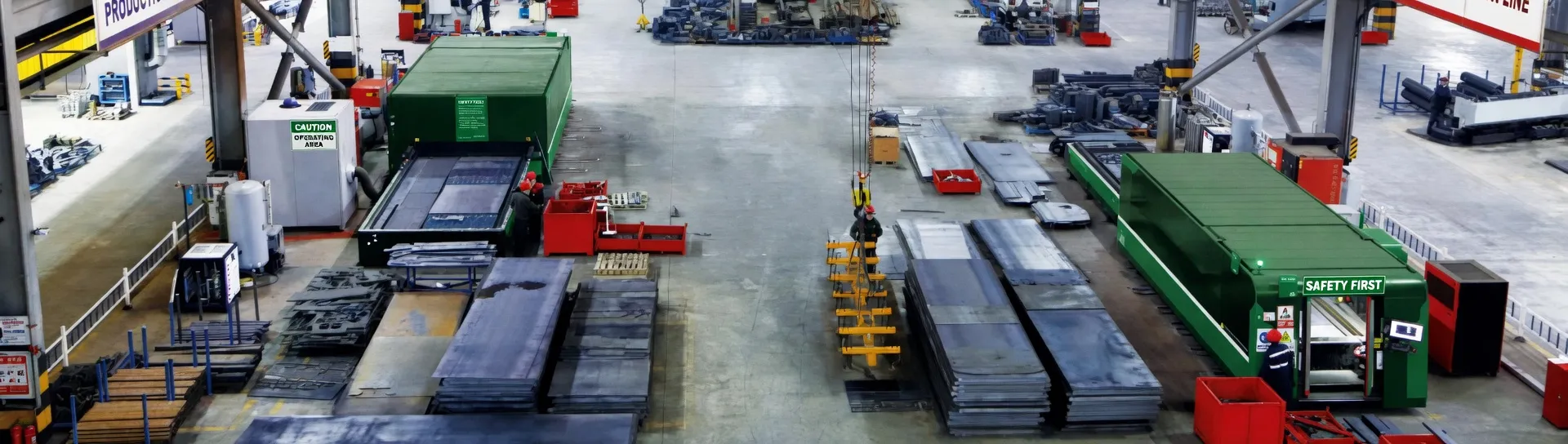
About EverPower Baling Machinery Australia
EverPower Baling Machinery Australia Pty Ltd — 27 Harley Crescent, Condell Park NSW 2200 — is the direct Australian arm of an ISO 9001-certified manufacturer operating a 32,000 m² factory with 180 staff and a dedicated R&D centre. Every machine carries a genuine Australian warranty administered locally, with spare parts stocked for 72-hour national delivery.
📞 +61 2 9708 3322 | ✉️ [email protected] | silage-baler.com/about-us

Frequently Asked Questions
Reliable Mowing at Agricultural Scale
Contact EverPower for pricing, production-quantity blade kit availability, and whether the 9GD-2.5 Model or the 9GL mower-windrower range better fits your operation.