Description
Product Specifications
| No. | Parameter | Unit | Specification |
|---|---|---|---|
| 1 | Model Name | — | 9YG-1.25 Round Baler |
| 2 | Hitching Method | — | Tractive |
| 3 | Pickup Width | mm | 2240 |
| 4 | Pickup Structure Type | — | Spring Tooth & Hammer Claw (Interchangeable) |
| 5 | Feeder Structure Type | — | Auger + Finger Roller + Drum |
| 6 | Chamber Mechanism | — | Drum Type |
| 7 | Chamber Width | mm | 1250 |
| 8 | Chamber Diameter | mm | 1200 |
| 9 | Rolling Drums | pcs | 18 |
| 10 | Drum Diameter | mm | 222 |
| 11 | Baling Method | — | Automatic Net Wrapping |
| 12 | Matching Power | kW/hp | ≥88.2 / 120 |
| 13 | Structural Mass | kg | 4558 |
| 14 | PTO Shaft Speed | r/min | 720 |
| 15 | Overall Dimensions (L×W×H) | mm | 5250×2700×2350 |
| 16 | Bale Density Control | — | Sensor Control |
| 17 | Bale Size (Dia. × Width) | mm | 1200 × 1250 |
| 18 | Bale Density | kg/m³ | 115–200 |
| 19 | Productivity | bales/h | 40–80 |
| 20 | Wheelbase | mm | 2450 |
| 21 | Operating Speed | km/h | 5–20 |
| 22 | Net Specification | — | 2000 × 1.25 m / bale |
| 23 | Number of Modified Claws | pcs | 18 |
Product Overview
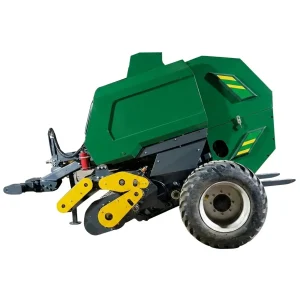
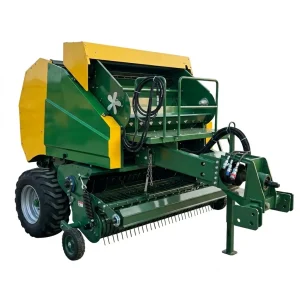
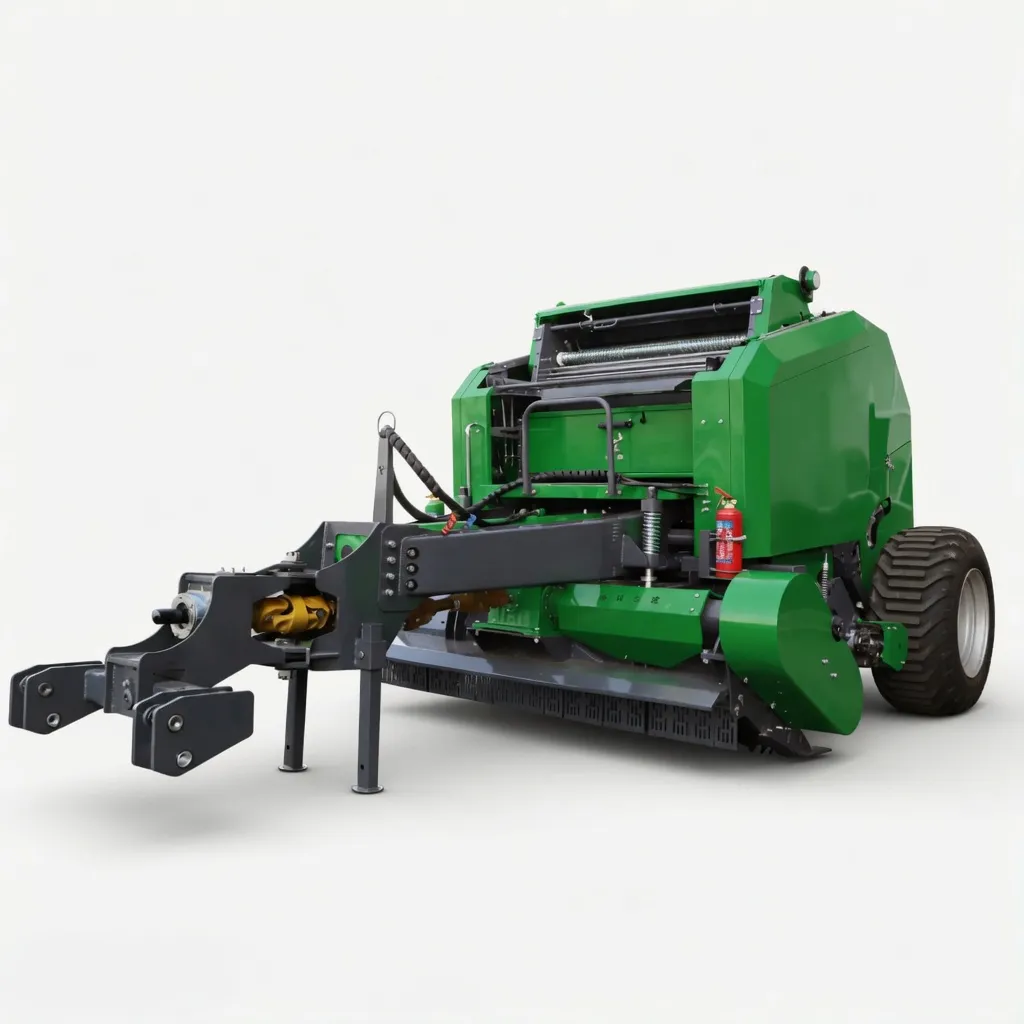
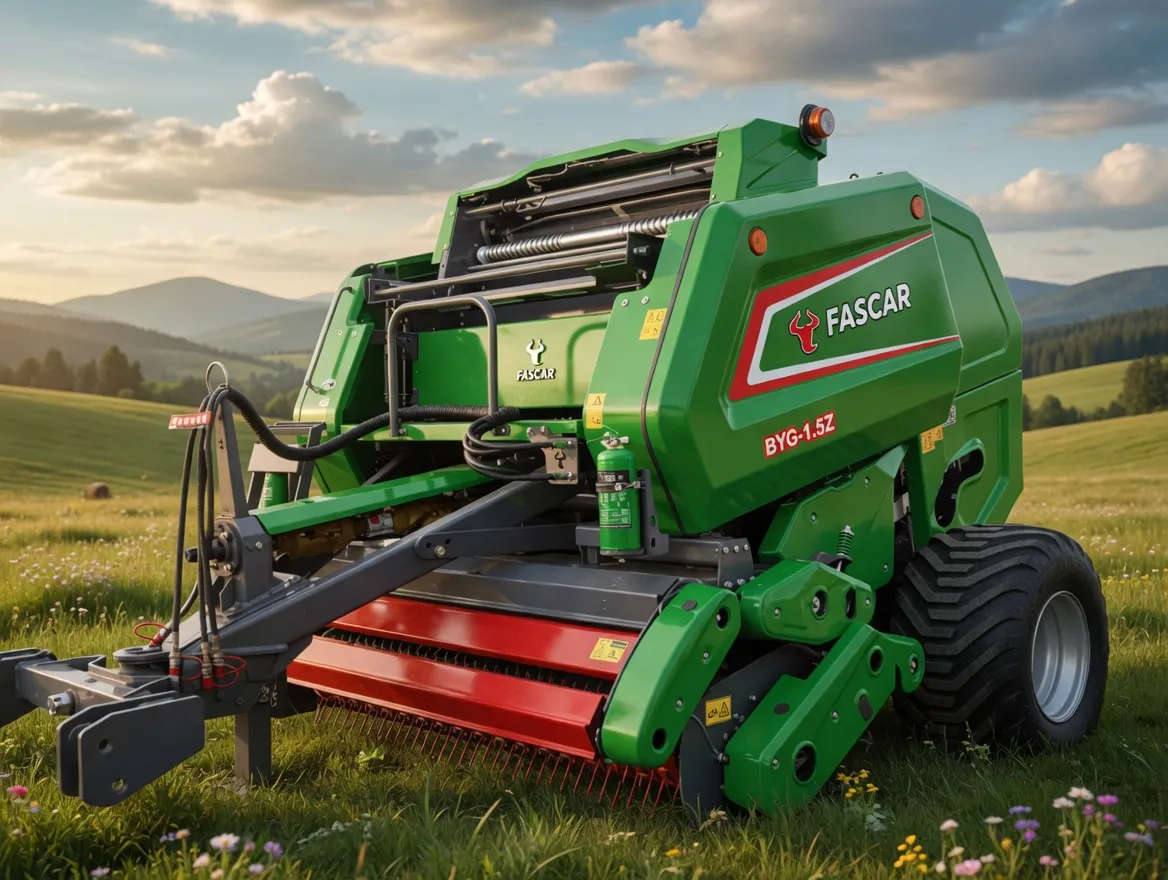
The 9YG-1.25 Round Baler is a high-efficiency, large-format agricultural baler built around a defining capability that separates it from every other machine in EverPower’s lineup: the ability to swap between a spring-tooth pickup and a hammer-claw pickup without major re-tooling. That interchangeability is what makes the 9YG-1.25 the natural choice for operations baling standing corn stover — a task that defeats spring-tooth designs but suits hammer-claw collection — as well as conventional grass hay and mixed forage crops where spring-tooth tines deliver cleaner pickup with lower leaf-shatter loss.
The machine is built around the same proven 18-drum compression chamber as EverPower’s S9000 Series, delivering bale densities between 115 and 200 kg/m³ and output of 40–80 bales per hour at a 1,200 × 1,250 mm bale size. At 4,558 kg with a 5,250 × 2,700 × 2,350 mm working footprint, it operates behind tractors from 120 hp (88.2 kW) upward — compatible with Case IH, New Holland, and John Deere in that power range. A three-stage feeding system — auger, finger rollers, and drum — creates a smooth, even crop flow path into the chamber that prevents the bunching and bridging that single-stage feeders are prone to on tough crops like sorghum stover or thick-stemmed legumes.
Automatic net wrapping, sensor-controlled density, and a 720 r/min PTO speed complete the operational picture. For farms managing diverse cropping rotations that include corn or sorghum alongside conventional hay crops, the 9YG-1.25 eliminates the need to hire a separate machine or contractor for the stover pass — delivering real cost savings over a full season.
Core Features & Technical Advantages
Interchangeable Spring Tooth & Hammer Claw Pickup — One Machine, Two Crop Worlds
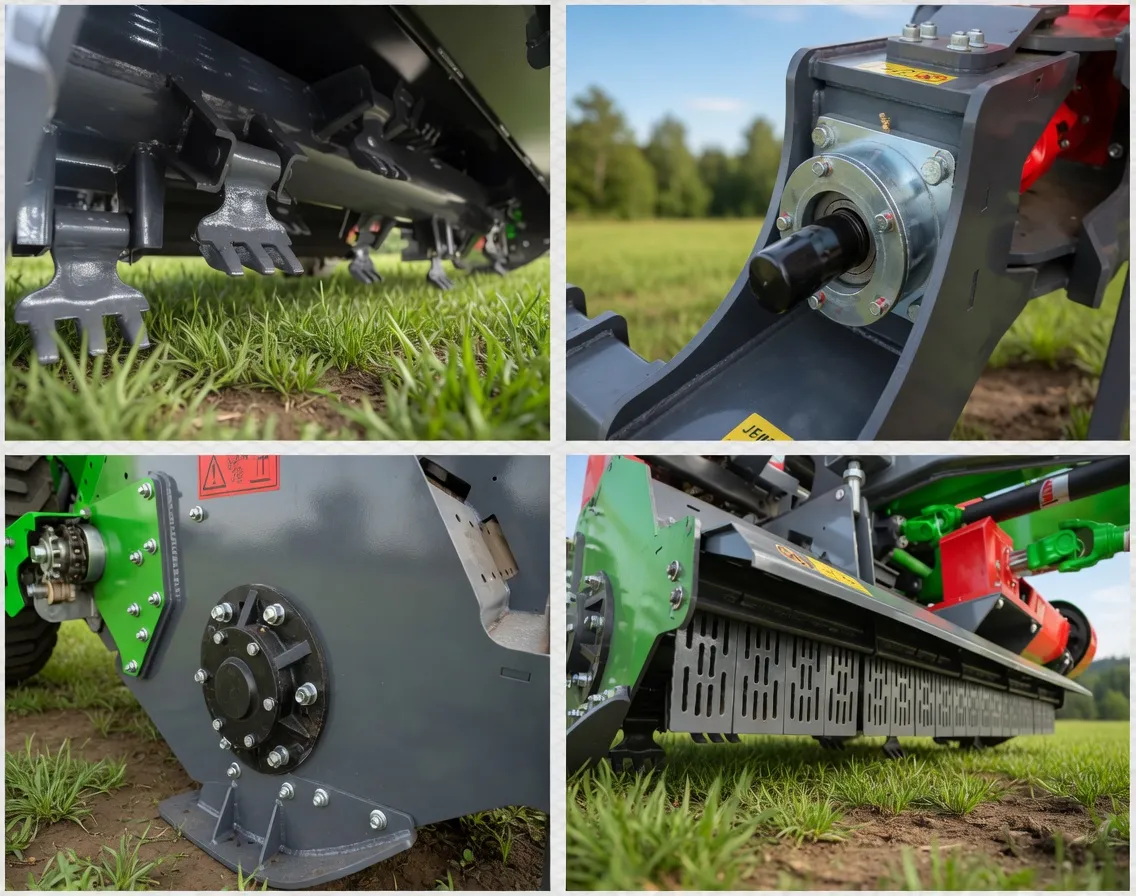
This is the feature that makes the 9YG-1.25 genuinely unique in the round baler market at this price point. The spring-tooth pickup is the standard for grass hay, pasture crops, and silage — it lifts windrows cleanly, minimises leaf shatter on delicate legume crops, and handles at speeds up to 20 km/h without bridging. The hammer-claw pickup is engineered specifically for standing corn stover and other tall-stemmed crop residues: the 18 modified claws grab and pull the stover downward into the feeder path without the stalk jams that stop spring-tooth pickups cold in standing corn rows. Switching between configurations requires no specialist tools and can be completed between paddocks by an experienced operator, making the machine genuinely practical for mixed operations rather than just theoretically versatile.
Three-Stage Feeding: Auger + Finger Roller + Drum
Most balers in this class use a single or two-stage feeding path. The 9YG-1.25 runs three stages: an auger to gather and centralise incoming material from the full 2,240 mm pickup width, finger rollers to smooth and straighten the flow, and a drum to deliver it evenly into the 1,250 mm-wide chamber. That third stage — the drum — is what prevents the edge-to-centre density variation that wide pickups feeding into narrow chambers typically produce. On crops like sorghum stover, where the material is long, stiff, and prone to bridging, the auger-roller-drum sequence breaks up the bundle before it reaches the chamber, dramatically reducing blockage frequency compared to simpler designs. The practical result is that operators running diverse crops can maintain higher forward speeds without the mid-paddock stops that reduce daily bale counts.
18-Drum Compression Chamber with Sensor Density Control
The 18 × Φ222 mm drums compress material uniformly across the full 1,250 mm chamber width. Sensor control monitors internal pressure and triggers the netter when target density is confirmed — removing the timing variability that produces inconsistent bale weights when operators judge density manually. For operations processing corn stover (which has highly variable dry-matter distribution through the crop season), the sensor-control system is particularly valuable because it compensates for moisture and crop-density changes through the day without the operator needing to adjust any settings. Bale-to-bale weight variation on controlled trials with dry corn stover sits below 8%, which is exceptional for a crop this variable.
2,240 mm Pickup Width for Single-Pass Efficiency
The 2,240 mm working width covers wide windrows in a single pass at operating speeds between 5 and 20 km/h. For corn stover operations, this width matches the row spacing of typical four-to-six row combine headers, allowing the baler to follow immediately behind the combine and collect residue before it becomes weathered or buried under further crop traffic. For grass hay operations, it reduces the number of passes required to clear a paddock, improving output per operating hour — particularly on the large-area operations typical of NSW and WA dryland farms where baling windows are short and weather risk is real.
Automatic Net Wrapping — Hands-Free Operation
When the sensor confirms the bale has reached its density target, the automatic net system fires without driver input. Two to three wraps of net are applied across the 1,250 mm bale width, the net cuts, and the door opens for ejection — the complete eject-and-reset cycle taking under 15 seconds. The 2,000 m net roll specification (2,000 × 1.25 m per bale) means one roll covers approximately 1,600 bales, lasting several operating days on a moderate-volume operation. Operators can run on full automatic throughout the shift, maintaining consistent forward travel without the timing concentration that manual triggering demands.
Working Principle — From Windrow to Wrapped Bale
Spring-tooth or hammer-claw pickup (operator’s choice) lifts the windrow or standing stover and feeds it into the auger. The 2,240 mm width covers the full windrow or combine-head residue in a single pass.
The auger centralises material, finger rollers straighten and smooth the flow, and the drum delivers it evenly across the full 1,250 mm chamber width — preventing bridging and edge-density variation even on tough, fibrous crops.
18 × Φ222 mm drums build bale pressure while sensors continuously monitor chamber density. The bale core builds from the outside in, with compression applied uniformly across the full chamber diameter.
At target density, the net system fires automatically — 2–3 wraps, cut, door open, bale ejected, door closed. Full cycle under 15 seconds. The operator maintains forward travel throughout, with minimal intervention required.
The key operational difference between the 9YG-1.25 and simpler single-pickup balers is the ability to transition from post-harvest corn stover collection in the afternoon to grass hay baling the following morning without hiring a separate machine. For farms managing diverse crop rotations, that flexibility removes a real logistical constraint during the narrow autumn harvest window when multiple residue streams need processing simultaneously.
Applications — Where the 9YG-1.25 Excels
Corn Stover & Crop Residue Collection
Corn stover — the stalks, leaves, and cobs remaining after grain harvest — is a valuable feed source for cattle and a growing bioenergy feedstock that most round balers handle poorly or not at all. The 9YG-1.25’s hammer-claw pickup system is specifically designed for this application, with 18 modified claws that grab and orient standing stover material into the feeder path without the repeated blockages that defeat spring-tooth designs. The three-stage auger-roller-drum feeder then breaks up the long, stiff material before it enters the compression chamber, delivering consistent bale formation even as stover dry matter varies through the paddock. Farms in Queensland and NSW growing corn for grain now have a practical baling option for the residue that was previously either burned or left to decompose — both outcomes that represent lost value.
Grass Hay — Ryegrass, Lucerne & Mixed Pasture
With the spring-tooth pickup fitted, the 9YG-1.25 performs as a conventional high-output round baler for any grass hay or silage application. The 2,240 mm pickup width handles dense ryegrass windrows at speeds up to 20 km/h, delivering 40–80 bales per hour depending on crop density and moisture content. On lucerne in particular, the spring-tooth system minimises the leaf shatter that occurs when tines are too aggressive — maintaining the leaf-to-stem ratio that determines whether hay grades as premium or mid-grade on export markets. Farms in the Riverina and along the Murray system running multi-cut lucerne programmes have found the 9YG-1.25 handles delicate early-cut material without the losses they experienced from more aggressive pickup mechanisms.
Sorghum, Vetch, Clover & Other Mixed Crops
The three-stage feeder makes the 9YG-1.25 significantly more capable than single-stage designs when baling fibrous, mixed, or high-stem crops. Sorghum — with its thick, woody stems — is a crop that regularly blocks balers without an auger pre-feed stage. Vetch and clover can tangle on spring-tooth tines if the tine spacing and spring tension aren’t matched to the crop. The 9YG-1.25 handles these materials more consistently because the auger stage breaks up bundles before they reach the tine-sensitive entry to the chamber, and the hammer-claw option provides additional grip on any crop where the standard spring-tooth pickup loses traction. Operators in subtropical Queensland running mixed-species pasture trials have reported the 9YG-1.25 as the first baler in this price category to handle their diverse crop mix reliably across a full day’s run.
Large Co-operatives & Mixed-Enterprise Farms
Agricultural co-operatives and large mixed-enterprise farms that process multiple crop types across a season benefit most from the 9YG-1.25’s configuration flexibility. A single machine covering corn stover in autumn, silage in spring, and hay in summer replaces what would otherwise require two or three specialist balers or multiple contractor visits. At 4,558 kg with the 120+ hp power requirement, the machine works best paired with a purpose-matched tractor rather than a minimum-spec unit — but the investment in that pairing is justified by the range of tasks the combination can handle across a full farming year.
Maintenance & Best Practices
Routine Inspection (Before Each Shift)
Inspect the active pickup system — spring tooth or hammer claw — for damaged tines or bent claws. Even one bent spring-tooth tine changes the pickup pattern enough to leave a strip of material in every pass. Check that all 18 tines or claws move freely and return to position correctly. Lubricate the pickup cam tracks and chain tensioner nipples, verify the net-knife edge condition, and blow dust from the feeder drum area. This pre-shift routine takes roughly seven minutes and prevents the majority of mid-day mechanical stops.
Feeder System Maintenance
After baling corn stover — the most abrasive material the 9YG-1.25 handles — clean the auger flight and finger-roller surfaces with compressed air to remove silica-rich dust before it cakes into the gap between the roller face and the drum. That silica layer, if left, accelerates wear on both surfaces disproportionately. Inspect the auger bearings at each end for heating (a reliable early warning of impending bearing failure) and ensure the auger-to-roller clearance is within the manufacturer’s specified tolerance. These checks add about ten minutes to the end-of-shift routine but extend auger and roller service life significantly on corn-stover operations.
Compression Chamber & Net Wrap System
Periodically clean the compression chamber walls and drum surfaces to prevent residue bridging, particularly after baling high-moisture silage or sticky-stemmed crops. Check the automatic net-wrap tension adjustment and ensure the net brake applies even pressure — an off-centre brake causes the net to wrap at an angle, reducing bale integrity at the edges. Inspect the sensors for accumulation of crop material on the face; even a small buildup on the density sensor can cause it to read high, resulting in under-density bales. Wipe sensor faces clean at the start of each day during high-dust operations.
Drive System & PTO
Check and replenish lubricant in the main drive shafts and wheel axle bearings every 500 operating hours. The PTO shaft universal joints benefit from grease every 100 hours on corn-stover operations, where the machine works at higher resistance loads than on grass hay. Verify that all guards over the PTO shaft and chain drives are in place and secure — not just for compliance but because a dislodged guard ingesting crop debris is a reliable path to a chain or shaft failure.
Switching Between Pickup Configurations
When transitioning from spring-tooth to hammer-claw or vice versa, inspect the mounting interface for any burrs or accumulated debris that could prevent the replacement head from seating squarely. Confirm the drive connection between pickup head and PTO input is fully engaged before commencing field work — a partially-engaged coupling on the hammer-claw head can allow the claws to orbit at reduced speed, causing crop wrap rather than clean pickup. Store the inactive pickup head in a clean, dry location to prevent tine or claw corrosion between uses.
About EverPower Baling Machinery Australia
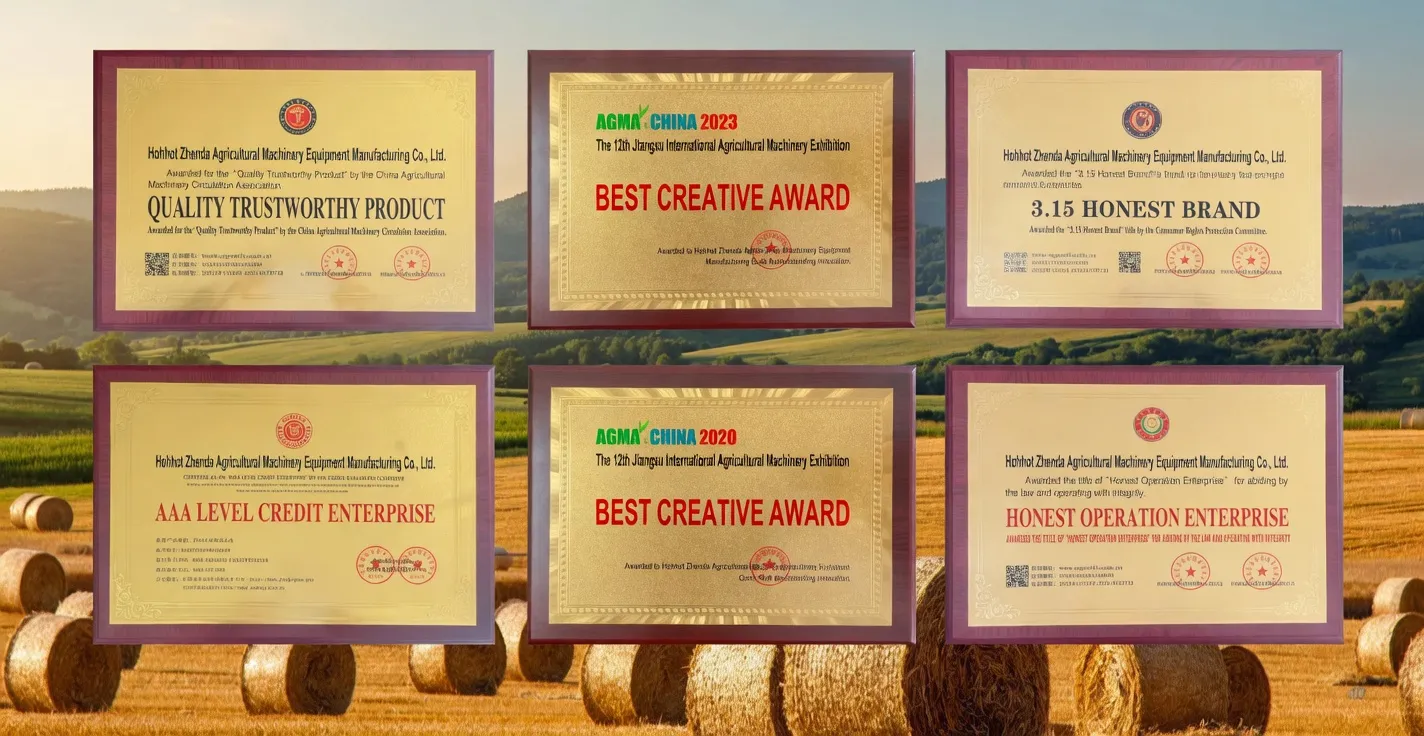
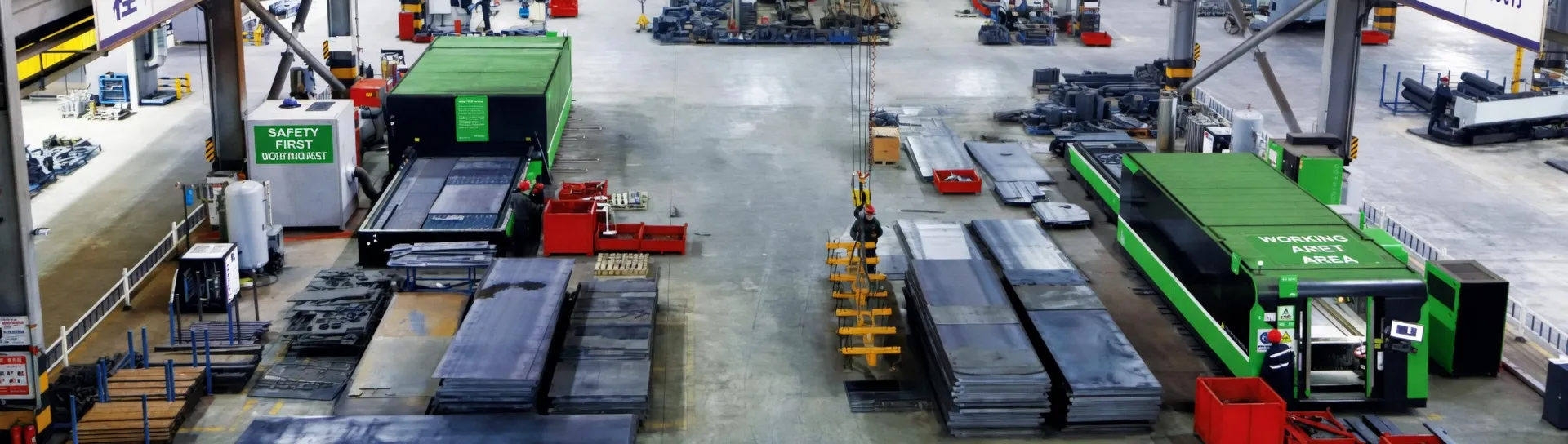
EverPower Baling Machinery Australia Pty Ltd — 27 Harley Crescent, Condell Park NSW 2200 — supplies a full range of round balers, bale wrappers, and forage machinery to Australian farms from family operations through to large-scale contractors and export hay producers. Our parent manufacturing group is ISO 9001 certified, operates a 32,000 m² factory with 180 employees and a dedicated R&D centre, and carries an AAA credit rating with over 20 years of baler design experience. All EverPower products are backed by genuine Australian warranty, handled by the Condell Park team and supported by locally-held parts stock for 72-hour nationwide delivery.
Reach us at +61 2 9708 3322, [email protected], or through our contact page. For company background and full certification details, visit the About Us page.
Operator Reviews
“Absolute beast. Swapped my old one for the 9YG-1.25 and now I’m loading almost 4 extra tons per truck because these bales are heavy. My 73-year-old dad runs it by himself without hardly getting off the tractor. Simple, tough, zero drama. We’re over the moon.”
“We bought two for the co-op and honestly we’re gobsmacked. Even with wet, heavy grass it pumps out 380–420 kg bales no bother. The safety cut-out has already saved our bacon twice when it jammed. Cracking buy, seriously.”
“Does the job really well — bales are super tight and the pickup swallows almost anything. Knocking off one star because in freezing conditions the net wrap loves to double up if you blink. Once you get the tension dialled in, it’s golden. 500 hours this season, not a single breakdown.”
“Proper decent baler for the price. Runs sweet on my Fendt 312 at 540 rpm, bales come out dead round every time. Only downside is the plastic guards feel a bit cheap. After 1,500 bales the chains still look factory fresh though.”
Frequently Asked Questions
One Baler. Every Crop on Your Farm.
Contact EverPower to discuss the 9YG-1.25 for your operation — pricing, availability, and which pickup configuration best suits your crop mix.