
A silage baler sits at the centre of modern fermented-forage production. It takes wilted grass, lucerne, oats or other green crops from a windrow, compresses the material into a dense cylindrical mass, and binds the finished bale with net wrap so it holds its shape under stretch film. That sequence — pickup, chamber compression, binding, ejection — defines the machine and explains why it has become the dominant tool for capturing pasture surpluses on dairy farms, beef stations, sheep properties, and contractor operations across Australia. This article works through exactly what the machine is, how each stage operates, what separates it from a dry-hay baler, and where its real value lies for the farms that depend on it.
Defining a Silage Baler: What the Machine Actually Is
A silage baler machine is a purpose-built agricultural implement designed to compress high-moisture forage into uniform bales that can then be sealed inside stretch film for anaerobic fermentation. Unlike conventional hay balers — which are optimised for dry, low-moisture material around 12–18% moisture — a silage baler is engineered to handle crops at 45–65% moisture, where the plant material is dense, heavy, and chemically reactive. The mechanical components that contact the crop are therefore reinforced, the chamber pressure capabilities are higher, and the binding system is calibrated for material that will continue to settle and ferment for weeks after ejection.
Most commercial silage balers in operation today are round balers — they form a cylindrical bale that compresses from the inside out as the chamber fills. Round-bale geometry suits the wrapping process that follows, because a cylinder presents uniform surface curvature to the stretch film application. Square or rectangular silage formats exist for specialised high-volume contracting and pit-replacement applications, but on most Australian farms, the round bale silage system is the practical standard and the model around which the rest of this article is built.
How a Silage Baler Works: The Four Operating Stages
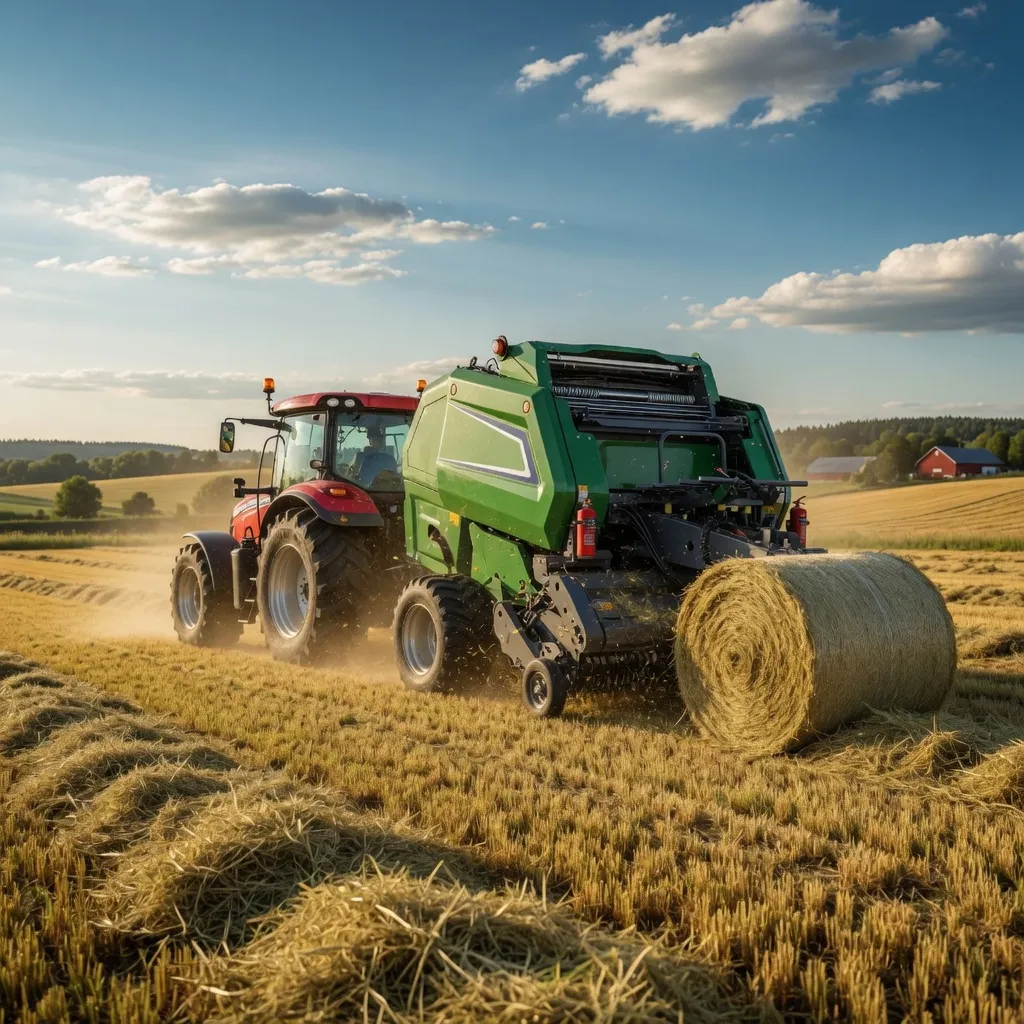
Every round baler moves crop through the same four mechanical stages from windrow to ejected bale. Understanding what each stage does — and what can go wrong at each — is the foundation for both operating the machine effectively and diagnosing performance issues when they arise. The four stages occur in seconds during normal operation, but each one is a distinct engineering function with its own design considerations.
Pickup Tine Mechanism
The pickup reel rotates as the machine moves forward, lifting crop from the windrow with spring-steel tines arranged in offset rows. Tine spacing is the primary engineering specification here — too wide and the reel misses material at ground level; too narrow and the tines collect soil and stones along with the crop. On a silage round baler, the reel typically operates closer to the ground than a dry-hay configuration because the moist material packs more densely against the soil surface and requires more positive contact to lift cleanly.
Variable vs Fixed Chamber
The chamber stage is where the most important design differentiation occurs. A variable chamber round baler uses belts that expand outward against hydraulic pressure as the bale grows — accommodating different bale sizes and producing consistent density across varying windrow conditions. A fixed chamber round baler uses rigid rollers that define a constant bale size; the chamber fills until the rollers can no longer rotate freely. Variable chamber designs are the dominant choice for silage applications because they handle the density variations inherent in high-moisture crops more gracefully.
The Difference Between Silage Balers and Standard Hay Balers
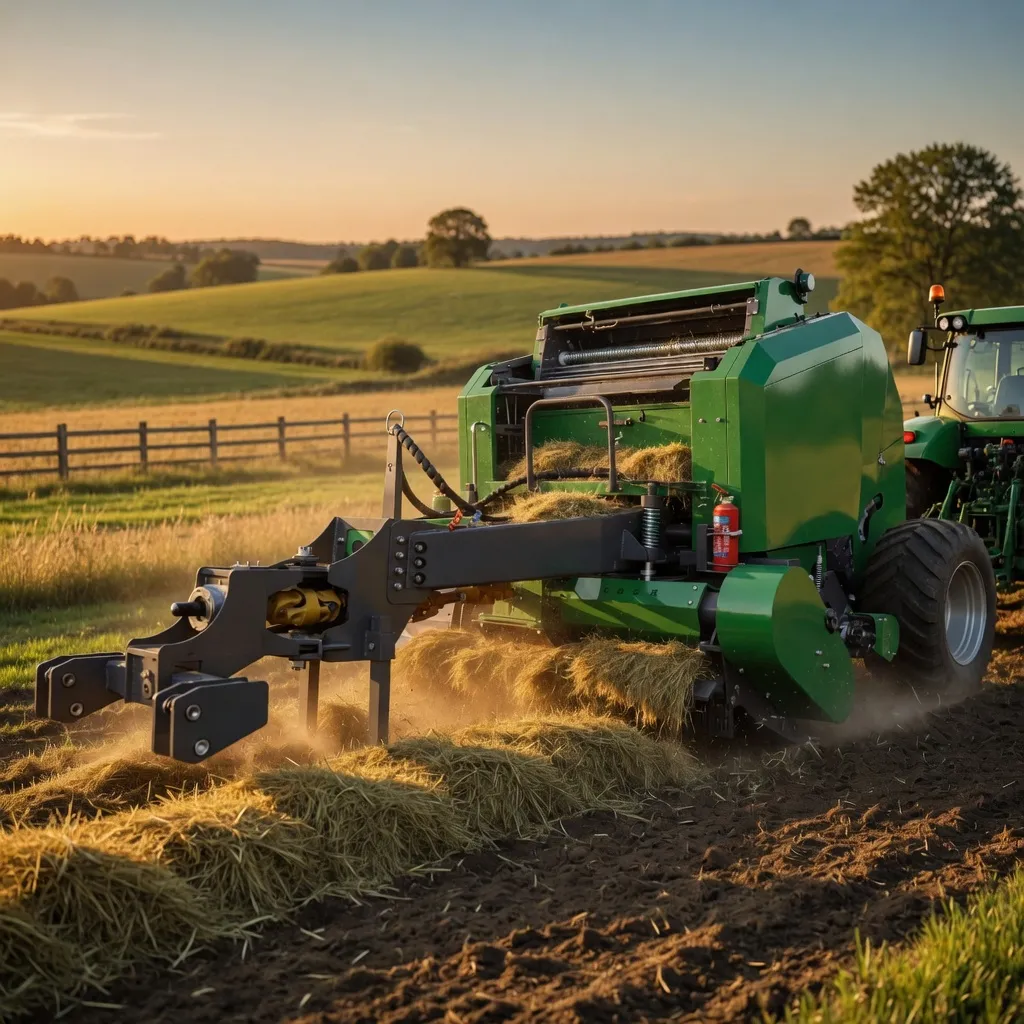
From the outside, a silage baler and a hay baler can look almost identical — both produce cylindrical bales, both pick up crop from a windrow, both use net wrap binding. The differences lie in the engineering tolerances, the chamber materials, and the operating parameters the machine is calibrated to handle. A baler optimised purely for dry hay around 14% moisture struggles when asked to compress 60% moisture material season after season; the bearings, belts, and hydraulic systems experience loads outside their original design envelope and component life drops accordingly. Understanding the specific differences helps farmers buy the right machine for the work they actually need to do.
| Specification | Silage Baler | Hay Baler |
|---|---|---|
| Target moisture range | 45–65% | 12–18% |
| Bale weight (1.25m) | 600–800 kg | 280–380 kg |
| Chamber pressure rating | High (reinforced) | Standard |
| Bearing duty grade | Heavy-duty sealed | Standard agricultural |
| Net wrap turns per bale | 3–4 (denser) | 2–3 |
| Subsequent step | Stretch film wrapping | Direct storage |
| Tractor PTO requirement | 75–120 hp typical | 55–90 hp typical |
The practical implication of this table: a dedicated silage baler costs more to manufacture than a dry-hay equivalent, but it delivers the durability and consistency needed to make wrapped bale silage commercially viable. A farm that runs occasional silage as well as dry hay can use a well-specified silage round baler for both — the heavier build handles dry hay without difficulty. A farm that buys a dry-hay machine and tries to run silage through it will see accelerated wear and inconsistent bale quality, and the cost saving on the initial purchase evaporates within a few seasons.
Why Silage Bales Need Wrapping After Baling
A finished bale from the chamber is dense, uniform, and bound with net wrap — but it is not yet preserved. The biological process that transforms green forage into stable silage is anaerobic fermentation, and that requires the bale to be sealed inside an airtight envelope of stretch film. Without wrapping, the bale’s exposed surface allows oxygen to penetrate the outer layers within hours; aerobic bacteria and yeasts consume the soluble sugars that lactic acid bacteria need for fermentation, and the surface begins to mould within 24–48 hours.
Stretch film wrapping creates the oxygen-exclusion environment that allows the natural lactic acid bacteria population in the crop to dominate the fermentation, dropping the pH rapidly and producing a stable feed that can be stored for 12–18 months. The wrapping step uses a bale wrapper machine — either a standalone unit positioned at the storage site, or an integrated wrapping station mounted to the same chassis as the baler. The latter design, called a combined baler wrapper, completes both operations in a single pass and eliminates the time gap between baling and wrapping that is the single biggest threat to silage quality on most farms.
Which Crops Can Be Processed Through a Silage Baler?
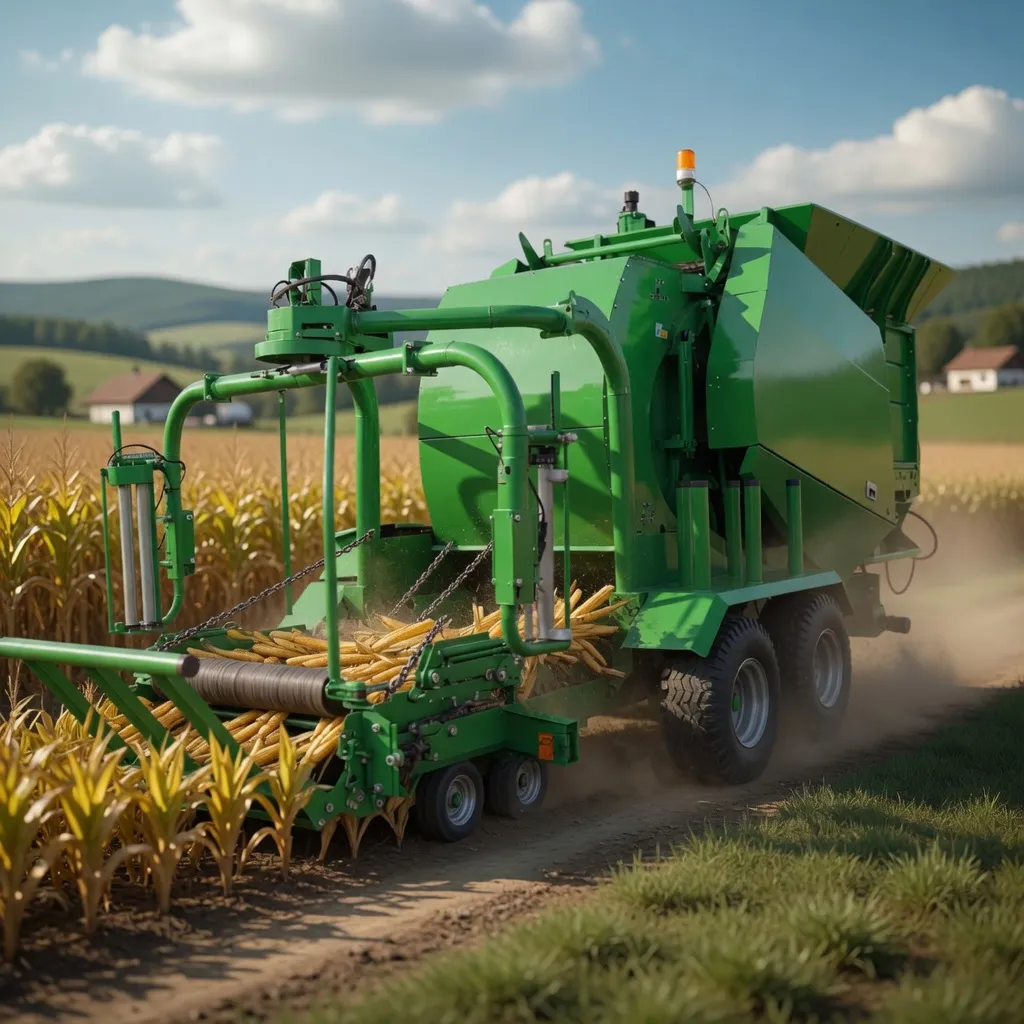
The crops that work well in a round baler silage system share certain physical and chemical traits: enough water-soluble carbohydrate to drive lactic acid fermentation, manageable stem geometry that feeds through the pickup without bridging, and a moisture content that can be brought to the 45–65% target through 24–36 hours of wilting after cutting. Within those constraints, the range of suitable crops is broad and accounts for most of the temperate-zone forage species grown in Australia.
High WSC, predictable fermentation, the workhorse crop for southern Australian dairy and beef silage programmes. Target cutting at pre-heading stage for peak ME content.
High protein but low WSC and high buffering capacity — requires an inoculant for reliable fermentation. Suited to dairy and high-quality beef finishing programmes.
Reliable yield with predictable fermentation. Cut at late vegetative to early heading stage. Common winter-grown silage option for mixed cropping farms.
Highest summer DM yield available. Bale at late-boot stage; prussic acid dissipates during the 4–6 week fermentation period before feedout is safe.
Legume silage crops with high protein value. Both benefit from inoculant addition and prompt wrapping due to low natural WSC content.
Tractor Requirements and Power Matching
A silage baler machine draws considerably more PTO power than its dry-hay equivalent because the wet material requires greater compression force and the chamber rollers turn against higher resistance throughout the bale cycle. Matching the tractor to the baler’s actual power demand — not just the minimum specification on the data sheet — is one of the most consequential decisions a farm makes when assembling its silage system.
For a 1.0m round baler such as the EverPower 9YG-1.0, a tractor with 60–80 PTO horsepower is generally adequate for ryegrass silage in moderate conditions. A 1.25m baler like the 9YG-1.25 series needs 75–110 PTO hp, with the upper range required for dense crops such as lucerne or forage sorghum at maximum DM yield. The flagship 9YG-2.24D S9000 platform, which produces 2.24m commercial bales, requires 120–160 PTO hp to operate at design output. Running a baler with an undersized tractor produces inconsistent bale density, slower cycle times, and accelerated wear on the chamber drive components.
The PTO standard also matters: most modern silage balers operate at 540 PTO rpm for compact and mid-range units, with the larger commercial machines specifying 1000 PTO rpm for higher torque delivery. Confirming this compatibility with the farm’s existing tractor fleet — including hydraulic flow and electrical connection standards — is part of the pre-purchase verification step that EverPower’s NSW technical team handles as part of the standard machine specification process.
The Combined Baler Wrapper: Two Machines in One Pass
The most significant evolution in silage baling over the past two decades has been the development of the combined baler wrapper — a single machine that completes both the baling and stretch film wrapping in one continuous operation. The bale exits the baling chamber, transfers to the integrated wrapping table on the same chassis, and is film-sealed before the operator moves to the next windrow. The whole sequence runs without operator intervention beyond initial setup and supply replenishment.
The advantage is not just speed — it is quality. The four-hour wrapping deadline that determines silage fermentation success is automatically satisfied because wrapping occurs within seconds of bale ejection. Contractors who switched from separate baler-and-wrapper operations to combined machines consistently report a measurable improvement in silage ME content and a reduction in dry matter loss across the season, in addition to the labour saving of running one machine and one operator instead of two. For high-output operations, the combined configuration has become the de facto standard.
What Determines Silage Bale Quality at the Baler Stage
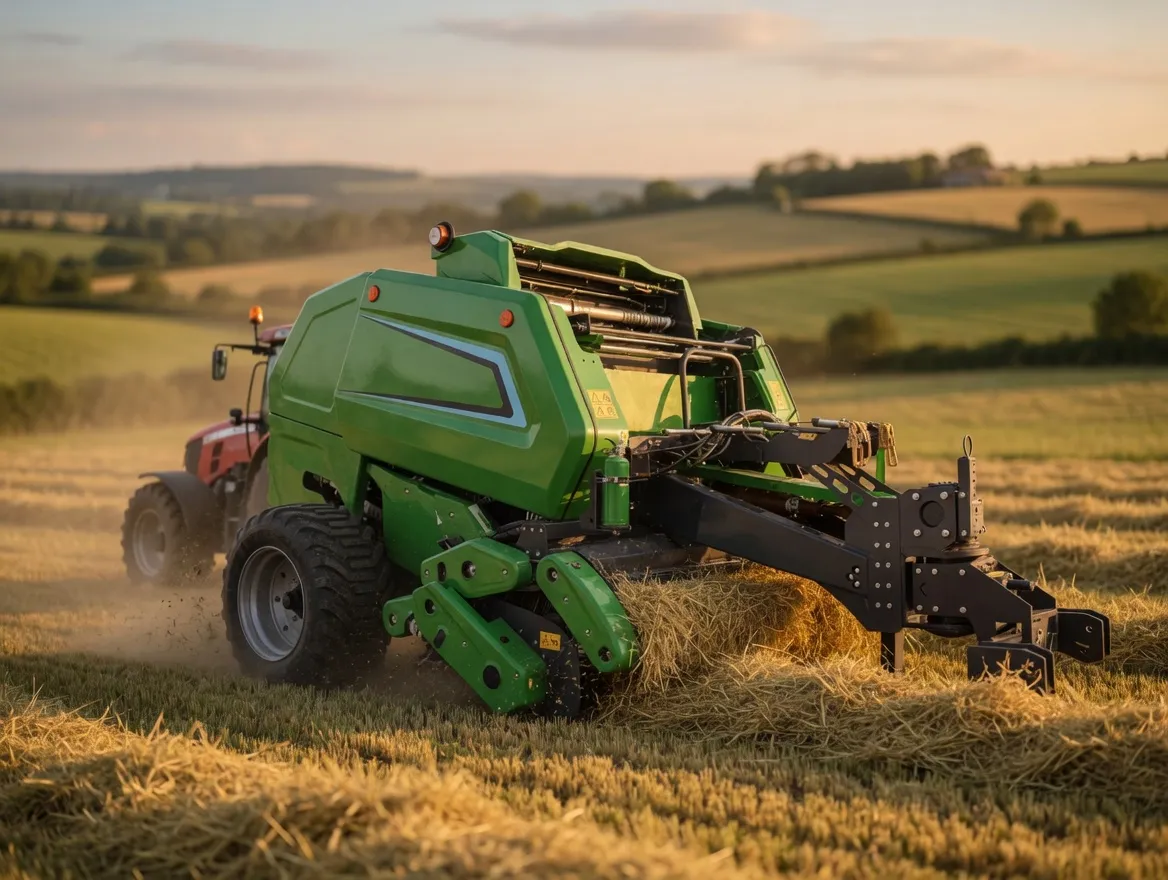
The bale leaves the chamber with most of its quality attributes already locked in — what happens at the wrapping and storage stages preserves that quality but cannot create it. Understanding the variables that the operator controls at the baling step is therefore the highest-leverage knowledge in the entire silage system, and it explains why two farms running the same machine on the same crop can produce silage of meaningfully different feed value.
Bale Density
Higher density means less residual air inside the bale, which means faster establishment of anaerobic conditions and more reliable fermentation. The hydraulic pressure setting on the chamber is the operator’s primary tool here — setting density to maximum for silage applications and verifying that the machine is delivering the specified pressure produces visibly heavier, more uniform bales. Bales that feel light or sound hollow when struck have failed the density check and will ferment less reliably regardless of the wrapping that follows.
Crop Moisture at Baling
Baling above 65% moisture causes effluent loss — the heavy wet material expresses liquid under chamber pressure, draining away soluble sugars that the fermentation needs. Baling below 45% leaves too much air space in the bale and risks aerobic spoilage. The 45–65% window is not a guideline — it is a biological boundary, and farms that test their crop with a microwave DM check before baling consistently produce better silage than those that estimate by appearance.
Cleanliness of the Pickup
Soil contamination introduced at the pickup carries Clostridium bacteria that cause butyric fermentation — the most damaging quality failure in bale silage. Setting pickup reel height correctly (just clearing the ground without contacting it), and avoiding aggressive raking that introduces ground material into the windrow, are the operational practices that prevent the contamination at source rather than trying to manage it through fermentation chemistry afterwards.
Recommended Product: EverPower 9YG-1.25 Round Baler
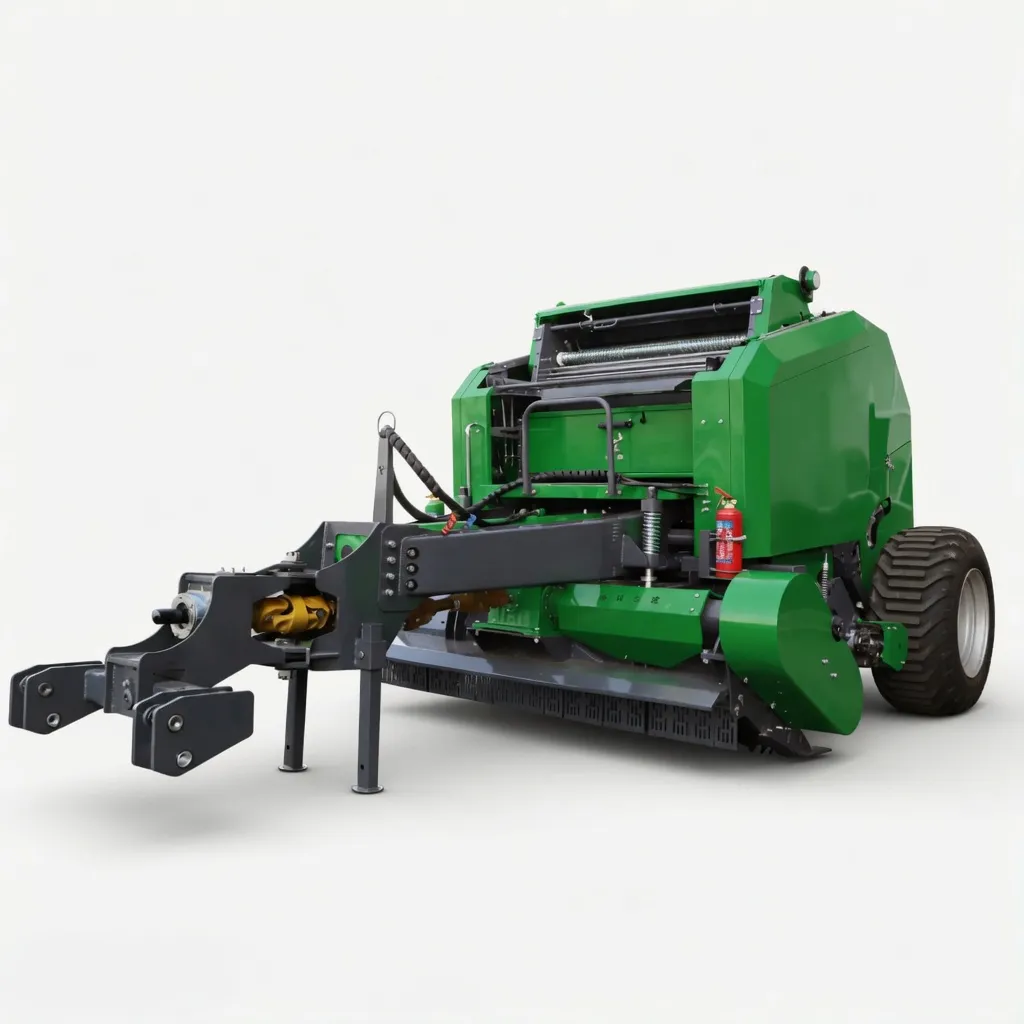
For farms entering the silage baling space or upgrading from older equipment, the EverPower 9YG-1.25 High-Performance Round Baler is the configuration most suited to the typical Australian mid-scale dairy, beef, and mixed farming operation. The 1.25m bale diameter is well-matched to standard feedout equipment and stock numbers; the variable chamber architecture handles the full silage moisture range without mechanical reconfiguration; the pickup system is engineered for the wet, dense windrows that defeat lighter-duty machines. The unit pairs with standard 75–110 PTO hp tractors that most commercial farms already have in their fleet.
Why Australian Farms Choose EverPower Baling Machinery
EverPower Baling Machinery Australia Pty Ltd supplies the complete silage baling chain from its Condell Park NSW base — round balers, bale wrappers, mowers, rakes, and supporting equipment from a single source. The local stocking arrangement means that the wear items every silage programme consumes through a season — pickup tines, belt joints, net wrap knives, hydraulic components — are available with same-day dispatch rather than international lead times. For farms whose harvest window does not wait for parts logistics, that distinction is the difference between a programme that runs to plan and one that does not.
Continue reading: For a closer look at how silage balers are used in actual farm operations, see our application guide on how dairy farmers use round balers to secure year-round silage supply — the practical workflow that turns the machinery in this article into a working feed reserve programme.
EverPower Baling Machinery Australia Pty Ltd
27 Harley Crescent, Condell Park NSW 2200
+61 2 9708 3322
[email protected]