Description
Product Specifications
| No. | Parameter | Unit | Specification |
|---|---|---|---|
| 1 | Model Name | — | 4BYH-1.3 Kidney Bean Puller |
| 2 | Hitching Method | — | Suspension Type |
| 3 | Picker Type | — | Spring Tooth Type |
| 4 | Working Width | m | 1.3 |
| 5 | Matched Power | kW | ≥ 40 |
| 6 | Operation Speed | km/h | 5–8 |
| 7 | Overall Dimensions (L×W×H) | mm | 2500 × 1800 × 1250 |
| 8 | PTO Speed | r/min | 540 |
| 9 | Wheel Track | mm | 1,300 |
| 10 | Productivity | hm²/h | 0.65–1.04 |
| 11 | Operators | person | 1 |
| 12 | Structural Mass | kg | 600 |
Product Overview
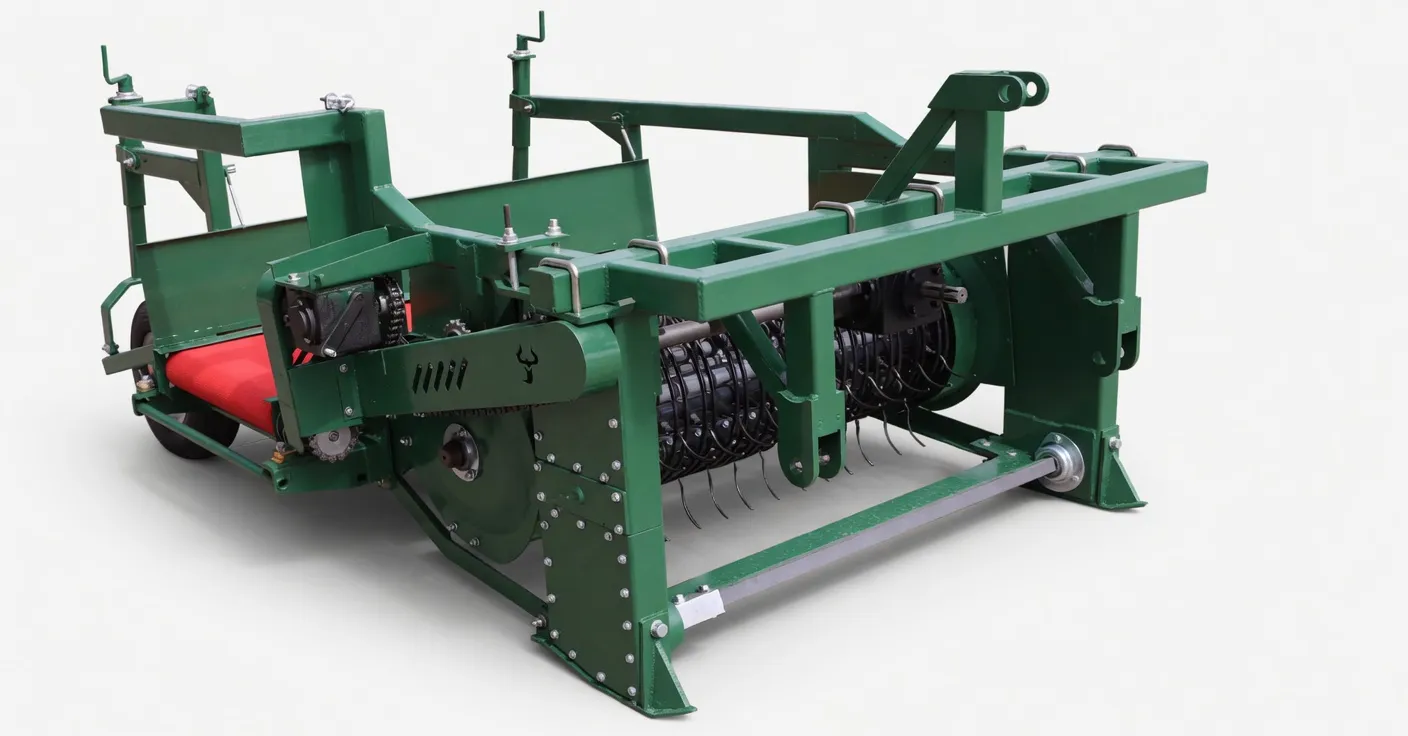
The 4BYH-1.3 Kidney Bean Puller occupies the entry point in EverPower’s 4BYH range — a 1.3 m working-width machine designed specifically for small-to-medium bean-growing operations, organic farms, and specialty legume growers where precision over volume is the priority. Where larger-scale pullers prioritise throughput and wide-row compatibility, the 4BYH-1.3 centres its design around minimising soil disturbance, reducing root damage, and delivering the gentle uprooting action that organic certification standards and premium-market quality specifications demand.
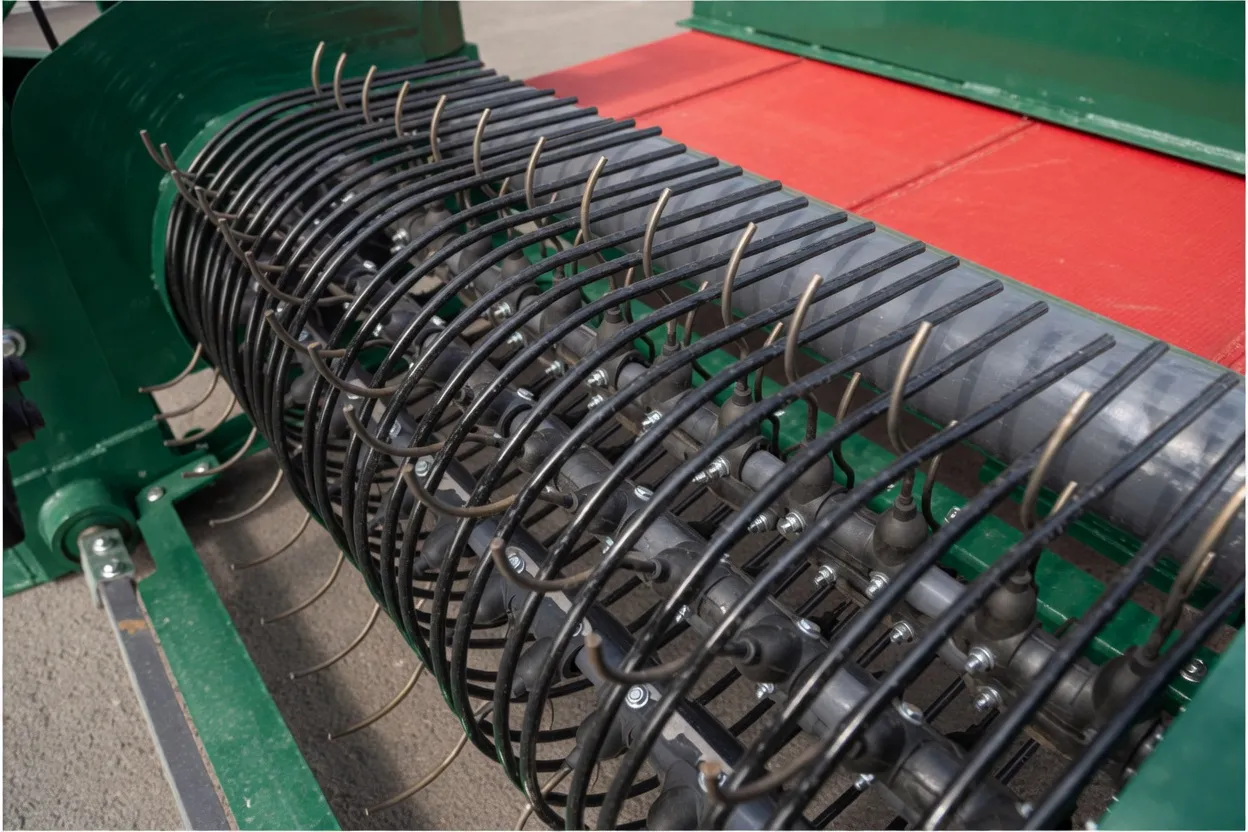
The spring-tooth picker system is the engineering core of this gentleness. Spring teeth flex under root resistance rather than applying rigid force — the pulling action follows the root geometry of each plant rather than forcing a standard pull angle. This adaptive compliance reduces root breakage and stem splitting that can result in bean pods being left underground or in the soil surface, compounding harvest losses. At the 3–5% harvest-loss target that premium and organic operations specify, spring-tooth performance is consistently superior to rigid-finger alternatives on the variable soil conditions common across Australian bean-growing regions.
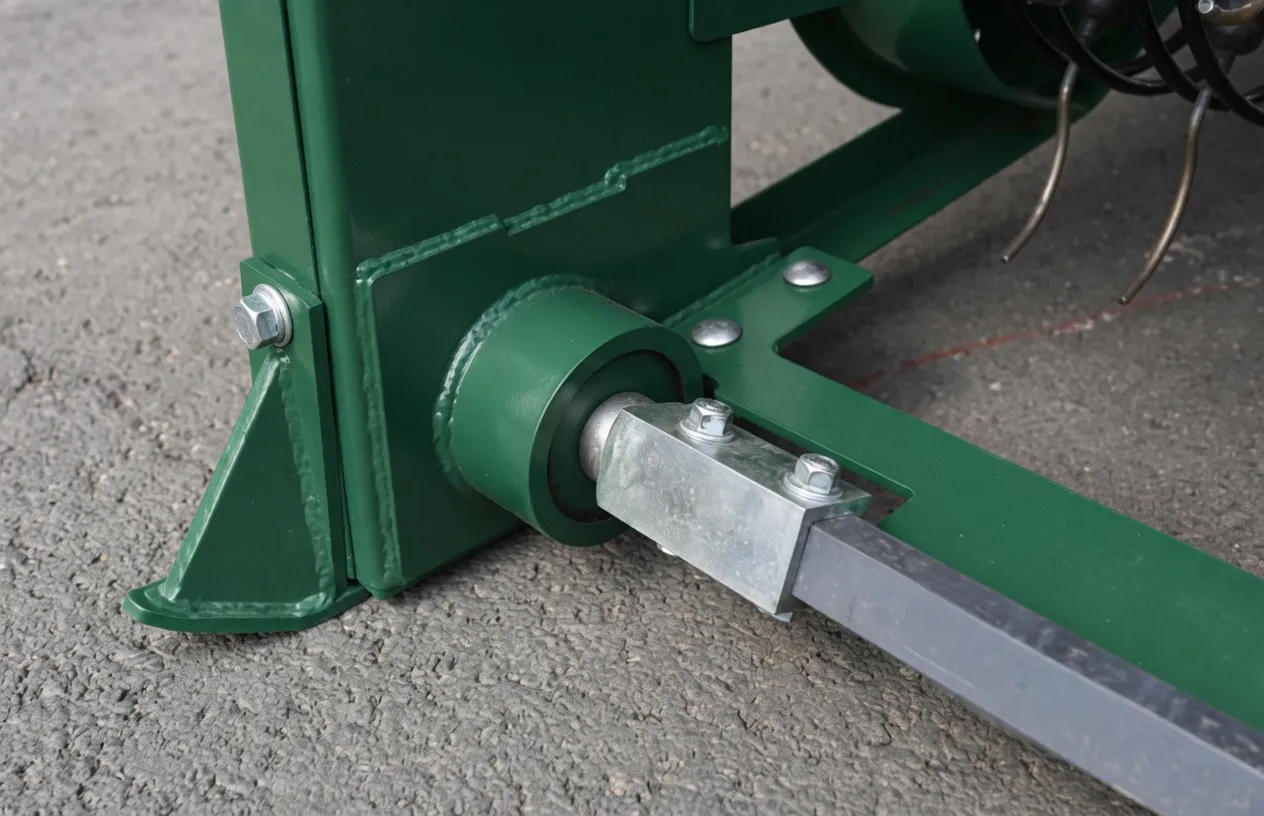
Compatible with tractors from 40 kW upward including John Deere 5075E and 5E Series, Kubota M Series, and Massey Ferguson MF 4700, the 4BYH-1.3 suspension hitching mounts directly on the tractor’s three-point linkage. The 600 kg machine weight is within the rear-linkage capacity of all compatible tractors without requiring counterweights, and the 1,300 mm wheel track is narrow enough for inter-row operation on standard Australian kidney bean row spacings of 750–900 mm.
Core Features — Gentle Pulling Without Crop Loss
Spring-Tooth Picker — Adaptive Root Following
The spring-tooth design is the defining feature of the 4BYH-1.3 relative to rigid-tooth alternatives. When the tooth contacts a kidney bean root zone, the spring tension allows the tooth to deflect slightly under resistance before the pull force increases — this brief deflection gives the root a fraction of a second to release cleanly from the soil before peak pulling force is applied. On the fine, fibrous root structure of kidney beans, that deflection window is the difference between a clean whole-plant pull and a root snap that leaves the pod cluster in the ground. Organic growers and premium fresh-market bean producers consistently report 15–25% lower field losses with spring-tooth pullers versus rigid-tooth alternatives at equivalent forward speeds.
Minimal Soil Disturbance — Organic Farm Requirement
Organic bean growing operations carry certification requirements about soil structure and weed management practices — excessive soil disturbance during harvest pulls up weed seeds from deeper layers, compromising the organic protocol for the following season’s crop. The 4BYH-1.3’s spring-tooth mechanism pulls plants with minimal lateral soil movement, compared to the broader soil disruption that higher-powered, faster machines create. The mechanical arm geometry is designed to lift the plant cleanly upward from the root zone rather than sweeping it laterally through the soil profile. This upward-lift motion is also gentler on the root-stem junction where bean pods attach — keeping pods on the plant through to the following combine or picking operation.
1.3 m Width — Precision Row Matching
The 1.3 m working width is sized for Australian kidney bean row spacings of 750–900 mm, covering a standard two-row operating configuration. The 1,300 mm wheel track positions the tractor wheels in the inter-row spaces when operating on 750 mm rows, leaving the crop rows and the root zones undisturbed by tyre compaction ahead of the pulling pass. For growers on 900 mm rows, the 1.3 m width covers one wide row per pass with the wheel track positioned outside the crop zone on both sides.
Suspension Hitch — Precise Depth Control
The three-point suspension hitch allows the operator to set picker depth precisely via the tractor’s rear linkage controls. Kidney beans vary in root depth across soil types and through the season as moisture content changes — shallower roots on sandy soils, deeper on clay-loam profiles. The hydraulic depth setting allows the operator to adjust tooth depth from the cab during the pull pass without stopping, maintaining optimal tooth-to-root contact as field conditions change across a paddock.
0.65–1.04 hm²/h — Matched to Small-to-Medium Operations
The productivity range of 0.65–1.04 hm²/h at 5–8 km/h is deliberately calibrated to small-to-medium operations. A 10 ha bean paddock completes in 10–15 hours of operating time — achievable in two working days with a single operator and tractor. For specialty growers and organic operations where the premium market demands careful harvesting and the paddock areas are measured in tens rather than hundreds of hectares, this throughput rate is entirely appropriate. Rushing bean pulling with a faster, wider machine to save time typically costs more in harvest losses than the time saving is worth on premium crops.
How the 4BYH-1.3 Works in the Field
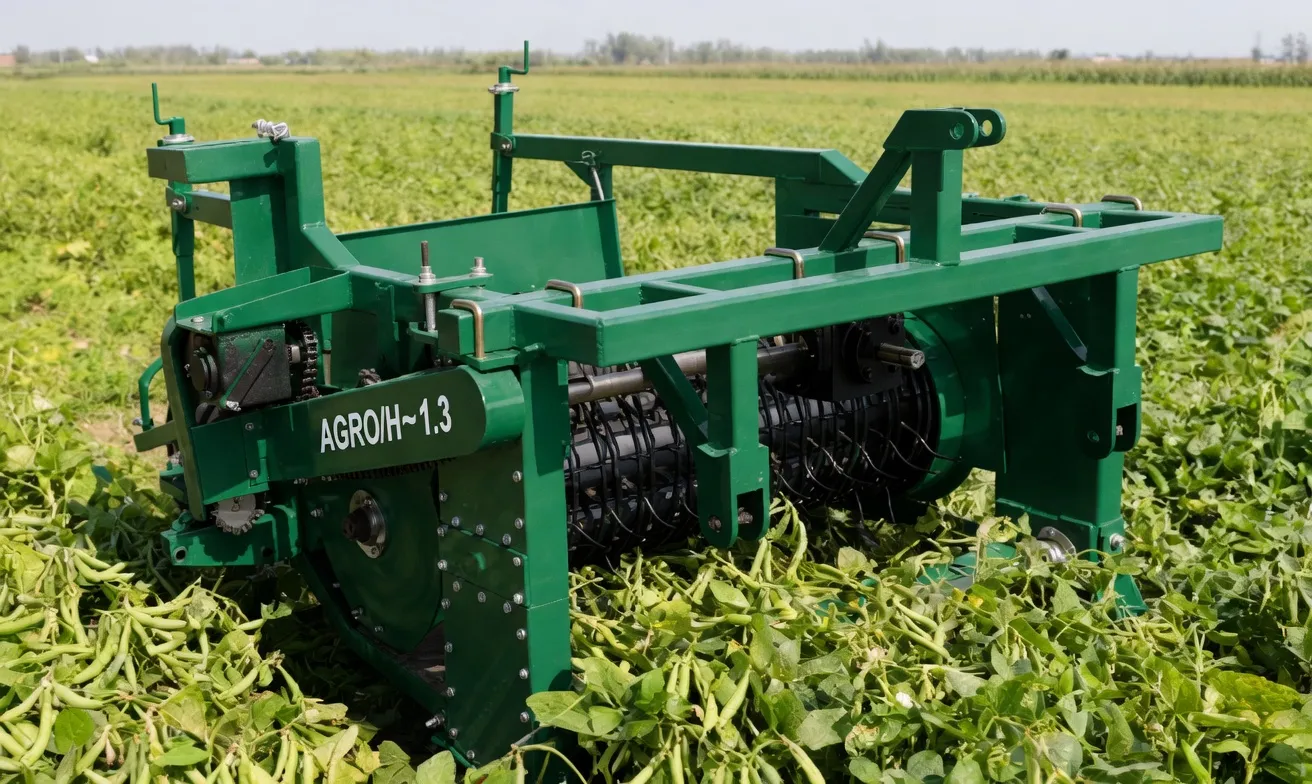
Lower the three-point linkage to position the spring teeth at the correct depth for the soil type and root depth of the specific paddock. Align the wheel track with the inter-row spaces before the first pass.
The tractor moves forward at 5–8 km/h while the spring teeth engage the root zone of each bean plant. The teeth flex under initial root resistance and then pull the plant cleanly upward as the forward motion builds tension.
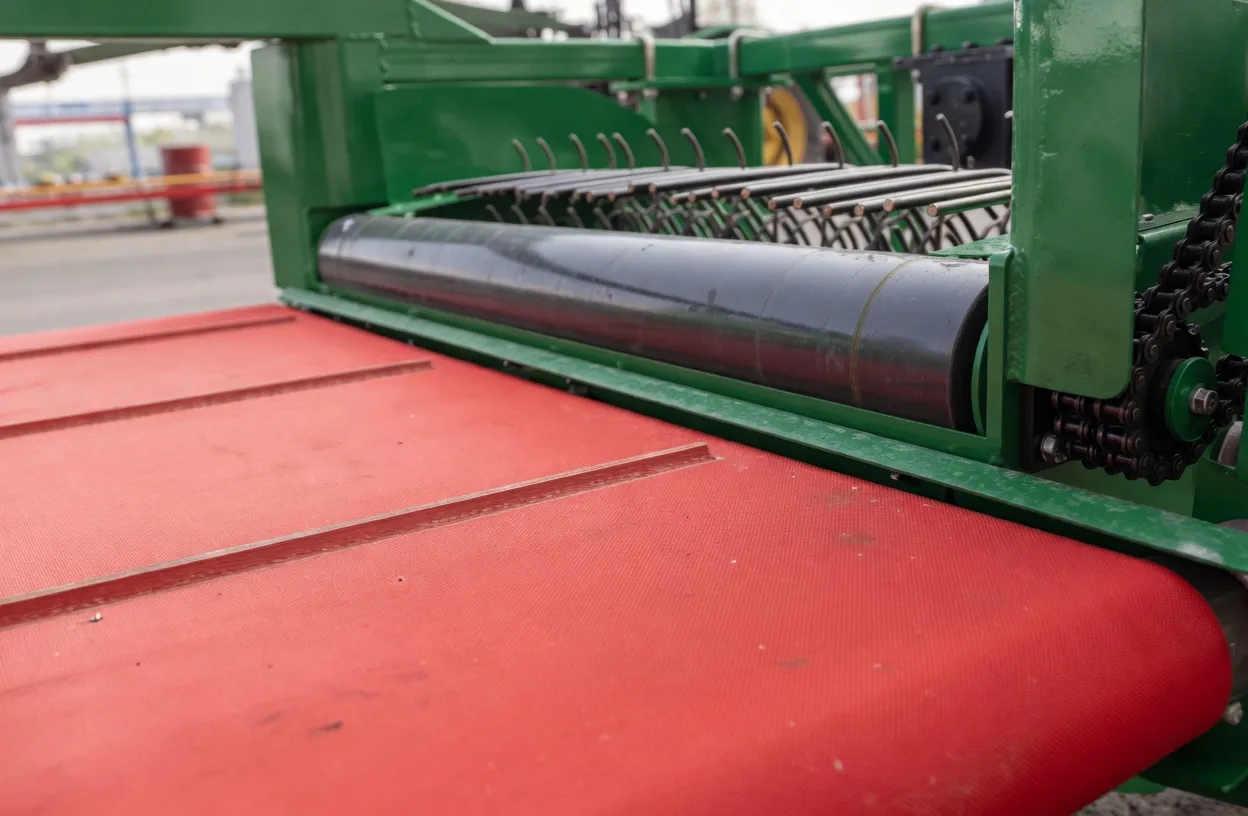
Pulled plants are deposited behind the machine in a windrow for collection, field drying, or direct combine pickup. The mechanical arm timing ensures plants are deposited without tangling, maintaining a clean, consistent windrow layout.
After the pull pass, field-dried plants are collected by combine, hand-picked, or threshed in the field depending on the operation type. The clean plant deposition from the 4BYH-1.3 makes any of these follow-up methods more efficient.
An operational note for first-time users: forward speed discipline is the primary variable that determines harvest loss rate. At 5 km/h, losses on most soil types and bean varieties run 1–3%. At 8 km/h on the same conditions, losses typically increase to 4–7%. The difference arises because spring teeth at higher speed have less dwell time in the root zone and the deflection-compliance window narrows. Organic and premium growers consistently choose 5–6 km/h to hold losses in the 1–3% range where they matter financially.
Applications — Where the 4BYH-1.3 Is the Right Choice
Organic-Certified Bean Operations
Organic kidney bean and legume operations have specific harvesting constraints: minimal soil disturbance to protect soil health certification, chemical-free operation (the machine is entirely mechanical), and low harvest losses that make the economics of organic premium cropping viable. The 4BYH-1.3 meets all three requirements — spring-tooth action with minimal soil disruption, purely mechanical operation with no chemical inputs, and harvest-loss rates of 1–3% at careful operating speeds that preserve the per-kilogram premium that organic certification earns.
Small-Scale Specialty Bean Growers — 5 to 30 ha
Specialty bean varieties — borlotti, cannellini, navy beans, and heritage varieties — are increasingly grown by small-scale specialist producers supplying direct-to-restaurants, farmers’ markets, and health food retail channels. These operations prioritise product quality and presentation over maximum throughput, and the 4BYH-1.3’s gentle pulling action protects both qualities. The lower harvest-loss rate directly improves per-hectare revenue on specialty varieties where the market price is 3–5x conventional commodity prices.
Soybean Production — Compact Paddocks and Headlands
Soybean pulling has the same root-structure characteristics as kidney beans — spring-tooth compliance reduces the pod shatter and root-snap losses that rigid-tooth equipment causes on soybeans. The 1.3 m working width is practical for the compact paddock layouts and headland-tight configurations common on irrigated soybean blocks in the Riverina and South-East Queensland. The 5–8 km/h operating speed range is consistent with agronomist recommendations for minimising pod shatter on soybeans at the end of the maturation window.
Trial Plots and Research Blocks
University research stations, seed companies conducting variety trials, and pulse industry R&D operations value the 4BYH-1.3 for its narrow width and precision operation on the small plot sizes typical of replicated field trials. A 1.3 m working width can pull individual trial plots without contamination of adjacent plots — a capability that wider machines simply cannot provide. Several Australian agricultural research institutions have adopted the 4BYH-1.3 specifically for its compatibility with standard trial-plot layouts.
Maintenance — Simple Mechanical, Long Service Life
Pre-Season Inspection
Inspect all spring teeth for fatigue cracking at the coil and straightness through the working section. A spring tooth that has taken a permanent set — meaning it no longer returns to its original angle after deflection — should be replaced before the season: a set tooth provides less compliance during pulling, which increases harvest losses and accelerates wear on adjacent teeth. Check the suspension hitch top link and lower link pins for wear, and confirm the linkage category (CAT 2 on most 40+ kW tractors) matches the machine’s hitch configuration.
During Operation — Field Adjustments
The most common field adjustment is depth setting as soil conditions change across the paddock. Sandy soil sections typically require a shallower depth setting than clay-loam to follow the root zone accurately; moving from one soil type to another mid-paddock without adjusting depth produces a step change in harvest loss rate. Monitor the deposited plant windrow for signs of root breakage — broken roots in the windrow are the first visible indicator that depth setting needs adjustment or forward speed should be reduced.
End of Season
Clean all soil from the spring-tooth assembly — accumulated clay in the tooth coils reduces spring compliance and increases the effective pull rigidity that reduces performance. Replace all teeth showing fatigue cracking or permanent set as a complete set for consistent compliance performance across the working width. EverPower holds 4BYH-1.3-specification spring-tooth sets at the Condell Park depot for next-day east coast delivery.
Why the 4BYH-1.3 Is the Precision Choice
Teeth flex under root resistance — follows root geometry rather than forcing a fixed pull angle. 15–25% lower losses versus rigid-tooth alternatives.
Minimal soil disturbance, purely mechanical operation, no chemical inputs. Meets organic certification soil-health protocols.
Wheel track sits in inter-row spaces on standard 750–900 mm row spacings. No tyre compaction in the root zone ahead of the pull.
Every 4BYH-1.3 comes with a 3-year whole-machine warranty administered by EverPower Australia directly from Condell Park NSW.
About EverPower Baling Machinery Australia
EverPower Baling Machinery Australia Pty Ltd — 27 Harley Crescent, Condell Park NSW 2200 — is the direct Australian arm of an ISO 9001-certified manufacturer with a 32,000 m² factory, 180 staff, and a dedicated R&D centre. Every machine carries a genuine Australian warranty administered locally, backed by spare parts stocked for 72-hour national delivery.
📞 +61 2 9708 3322 | ✉️ [email protected] | silage-baler.com/about-us
Frequently Asked Questions
Precision Harvest — Less Loss, More Value Per Hectare
Contact EverPower about the 4BYH-1.3 for your bean operation — pricing, stock, and whether the 1.3 m or 2.6 m model matches your row configuration and annual area.