
Every operator who has baled through a damp morning or pushed into a heavy windrow has felt it — the PTO load spikes, the tractor bogs, and the baler chokes on a plug of material that refuses to move through the chamber. Plugging wastes time, risks shear bolt damage, and in severe cases bends pickup tines or wrecks feed rotor components. The good news is that nearly every plug is preventable. This guide walks through the mechanics of why round balers plug in wet conditions, then gives you a practical checklist of adjustments that keep crop flowing.
Why Round Balers Plug — the Physics of Wet Crop
Dry forage flows like loose straw. Wet forage behaves like rope. When crop moisture climbs above 60 per cent, stems become pliable and cling to one another, to steel rollers, and to the chamber belts. The friction coefficient between wet grass and metal is significantly higher than dry grass and metal, which means the force required to strip material from the pickup and feed it into the bale chamber rises sharply with every percentage point of moisture. At the same time, wet crop is heavier — a windrow that weighs four kilograms per metre when dry may weigh six or seven kilograms per metre when damp — so the total mass entering the pickup per second increases if ground speed stays constant. Those two forces combined — higher friction and higher mass flow — overwhelm the pickup mechanism, and the result is a blockage.
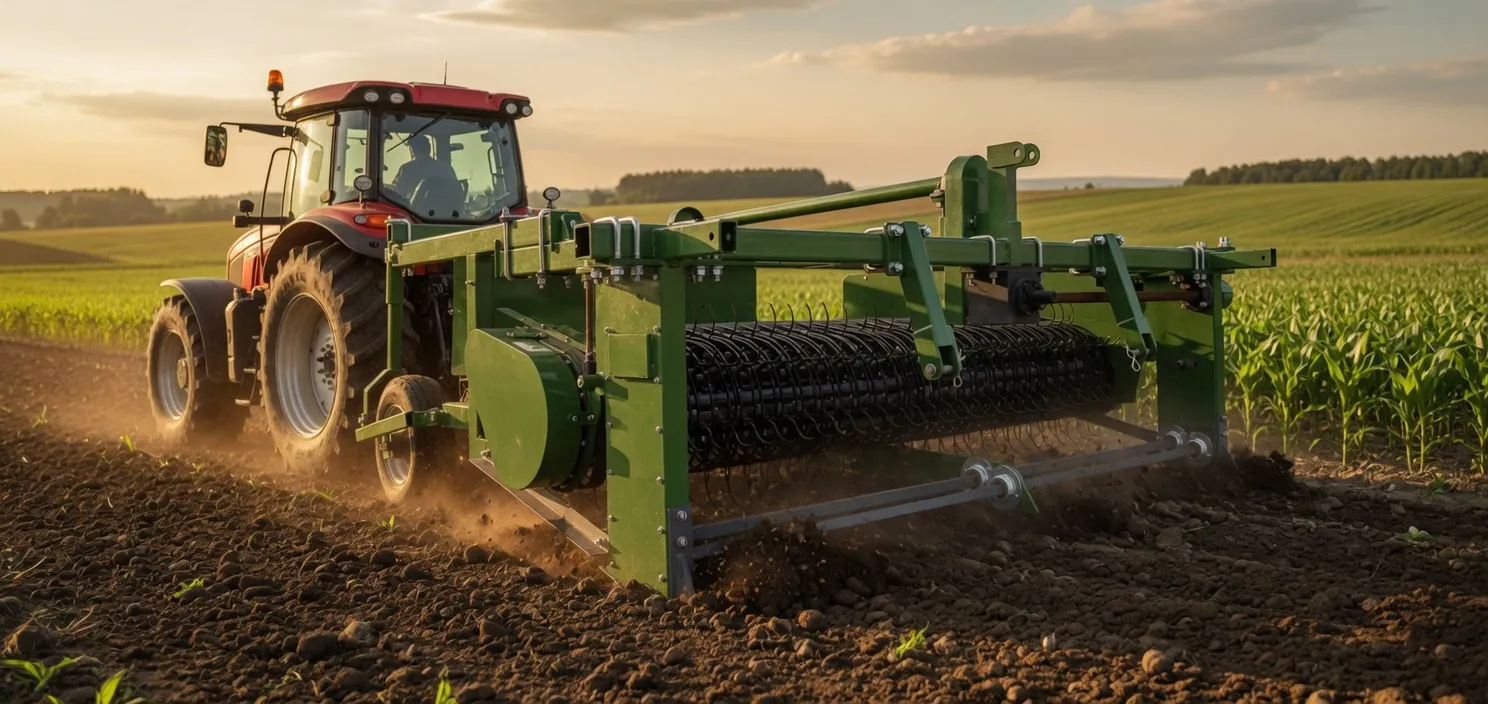
The pickup is the bottleneck in nearly every plugging event. Crop accumulates between the tines and the crop guard, forming a mat that is too thick and too heavy for the tines to lift over the guard and drop into the pre-chamber. Once that mat reaches a critical mass, it stalls the pickup entirely. In belt-type balers, the secondary failure point is the intake area where material transitions from the pickup to the chamber rolls or belts. Wet crop can wrap around the first roller or wedge between the roller and the floor plate, creating a solid plug that no amount of PTO torque will clear without stopping and reversing.
Recognising the Early Warning Signs of a Plug
Every plug begins as a partial restriction. Catching it early is the difference between a five-second correction and a thirty-minute stop to clear compacted material by hand. The first sign is an increase in PTO torque that you can feel through the tractor seat or see on a torque monitor if your baler is equipped with one. The engine note drops slightly and the tractor slows. If you are watching the bale formation monitor, the diameter reading may stall or fluctuate erratically because crop is entering the chamber unevenly instead of in a smooth, continuous feed.
A visual cue is material spilling sideways out of the pickup area rather than flowing inward. Another is an unusual sound — a muffled thumping or grinding as compacted material rotates on a roller it should have separated from. Experienced operators also watch the stubble behind the baler. If you see uncut or unlifted patches in the swath, the pickup is overloaded and not clearing the windrow properly. That missed material is a symptom of the same flow restriction that causes a full plug moments later. The moment any of these signs appears, reduce ground speed immediately or drive off the windrow to let the pickup clear.
Ground Speed: The Single Most Important Variable
Ground speed determines how much crop enters the pickup per second. In dry conditions with a light windrow, a baler can travel at eight to ten kilometres per hour without issue. In wet conditions with a dense windrow, the safe speed may be as low as three to four kilometres per hour. Most plugging incidents happen because the operator tries to maintain dry-weather speed in wet-weather crop. The maths is straightforward: if windrow density doubles because of moisture, ground speed must halve to keep the mass flow rate within the pickup’s capacity.
A practical approach is to start each pass at a lower gear than you think you need, then increase speed gradually until you feel the PTO load rise. The moment it rises, back off half a gear. That is your sustainable baling speed for those conditions. Resist the temptation to push through a heavy section by adding throttle — the extra engine power does not help the pickup; it only forces more material into a mechanism that is already at capacity. If you must cross a section where two windrows converge or the mower left a heavy patch, slow to a crawl or steer around the densest portion. Twenty seconds of patience saves twenty minutes of clearing a plug.
| Condition | Windrow Density | Recommended Speed | Plug Risk |
|---|---|---|---|
| Dry hay (<15% moisture) | Light | 8 – 12 km/h | Low |
| Semi-wilted (40 – 55%) | Moderate | 5 – 8 km/h | Medium |
| Wet silage crop (>60%) | Heavy | 3 – 5 km/h | High |
| Rained-on windrow (>70%) | Very Heavy | 2 – 4 km/h | Very High |
PTO Speed: Keep It at the Manufacturer’s Rated RPM
Many operators instinctively reduce PTO speed when the baler is struggling, thinking less speed means less strain. The opposite is true. The pickup tines, feed rotor, and chamber rollers are all designed to operate at a specific peripheral speed that matches the flow dynamics of the crop. Drop the PTO below that speed and the tines slow down, which means each tine carries more material per revolution before handing it off. That extra load per tine is exactly the condition that creates a blockage. Always maintain rated PTO speed — 540 rpm for most round balers — even in wet conditions. If the tractor engine lugs under load, the correct response is to reduce ground speed, not PTO speed.
Some modern tractors with continuously variable transmissions allow the operator to lock PTO speed independently of ground speed. That feature is extremely valuable in wet baling because it means you can creep forward at two kilometres per hour while the pickup and chamber mechanism continue to run at full design speed. If your tractor has that capability, use it. If your tractor uses a gear-drive PTO linked to engine speed, you will need to manage the throttle so that engine revolutions stay at the level required for 540 PTO rpm while using a low gear ratio to keep ground speed down. This is the most common operational skill gap that separates operators who plug frequently from those who plug rarely.
Adjusting Pickup Height and Crop Guard Clearance
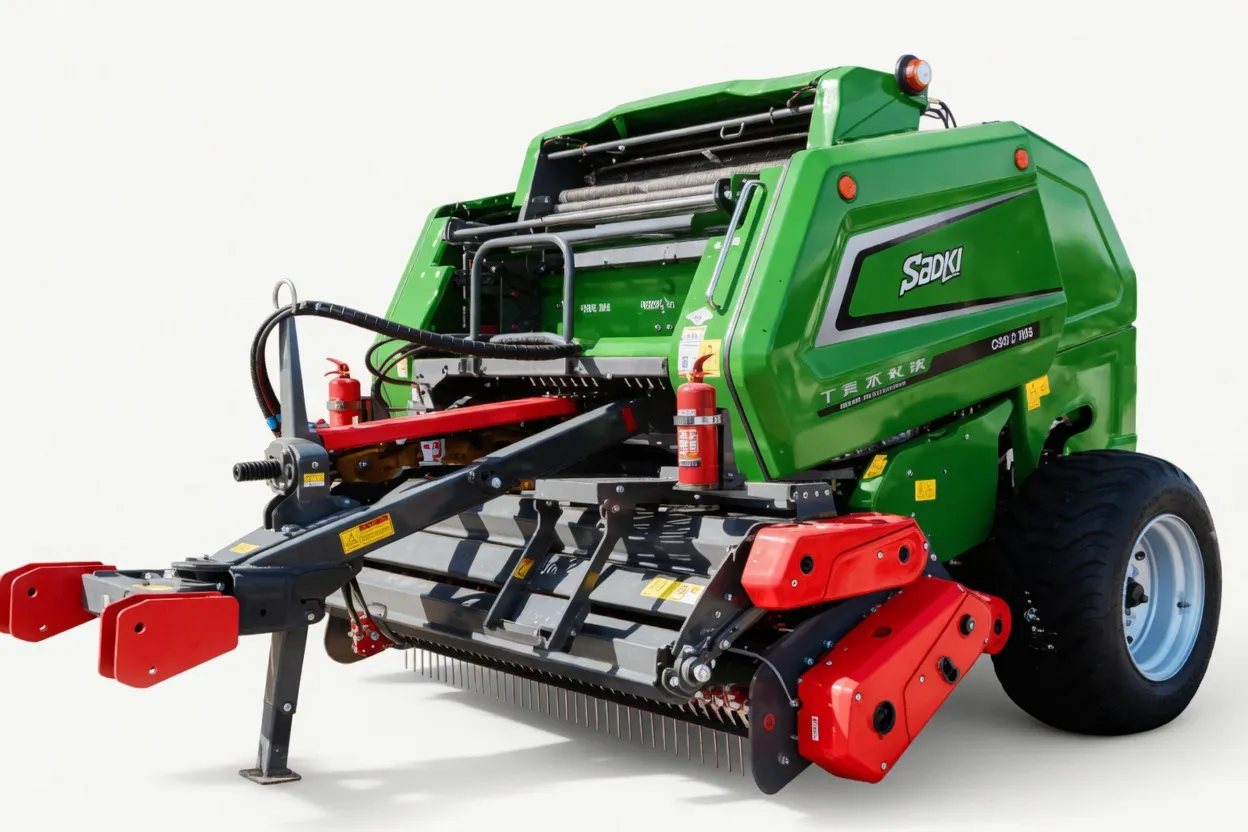
The gap between the pickup tines and the crop guard is the throat of the baler. If that gap is too tight, wet crop cannot pass through and accumulates into a mat. If it is too wide, the tines fail to lift material cleanly and drop it back onto the ground. In wet conditions, open the crop guard clearance by one to two notch positions beyond your normal dry-crop setting. This wider gap allows the thicker, heavier mat of wet forage to pass over the guard without stalling. You will sacrifice a small amount of stubble-height precision, but you will gain continuity of operation.
Pickup height relative to the ground also matters. In wet paddocks, the soil surface may be soft and the windrow may sit lower than usual because damp crop compresses under its own weight. Lower the pickup gauge wheels by one or two settings to ensure the tines reach the base of the windrow. If the tines ride over the top third of the swath rather than lifting from the bottom, the material that is left behind will fold under the pickup and create a mat that wraps around the tine bar. Check the pickup height at the start of every new paddock and whenever you notice material being left in the stubble.
Windrow Width and Density Management
The single most overlooked cause of plugging is the windrow itself. A mower-conditioner or rake that produces a windrow wider than the baler pickup forces the operator to make multiple passes or steer inaccurately, which results in uneven feeding. A windrow that is too narrow but very tall creates a concentrated slug of material that overloads the centre of the pickup while the outer tines run empty. The ideal windrow width for wet-condition baling is approximately 70 to 80 per cent of the pickup width, and the windrow should be uniformly distributed across that width without peaks or gaps.
If you are raking before baling, adjust the rake to produce a flatter, wider windrow rather than a tall, narrow rope. A finger-wheel rake with adjustable angle can spread the swath to the correct width and keep it aerated, which also helps surface moisture evaporate during the wilting period. Avoid double-raking or merging two swaths into one heavy windrow when moisture is high. It is far better to bale two lighter windrows in two passes than to plug repeatedly on a single heavy row. If the mowing operation leaves an unusually heavy yield — above eight tonnes of green matter per hectare — consider asking the mower operator to leave a wider swath or to split the cut into two narrower rows.
Timing the Baling Window — When to Start and When to Stop
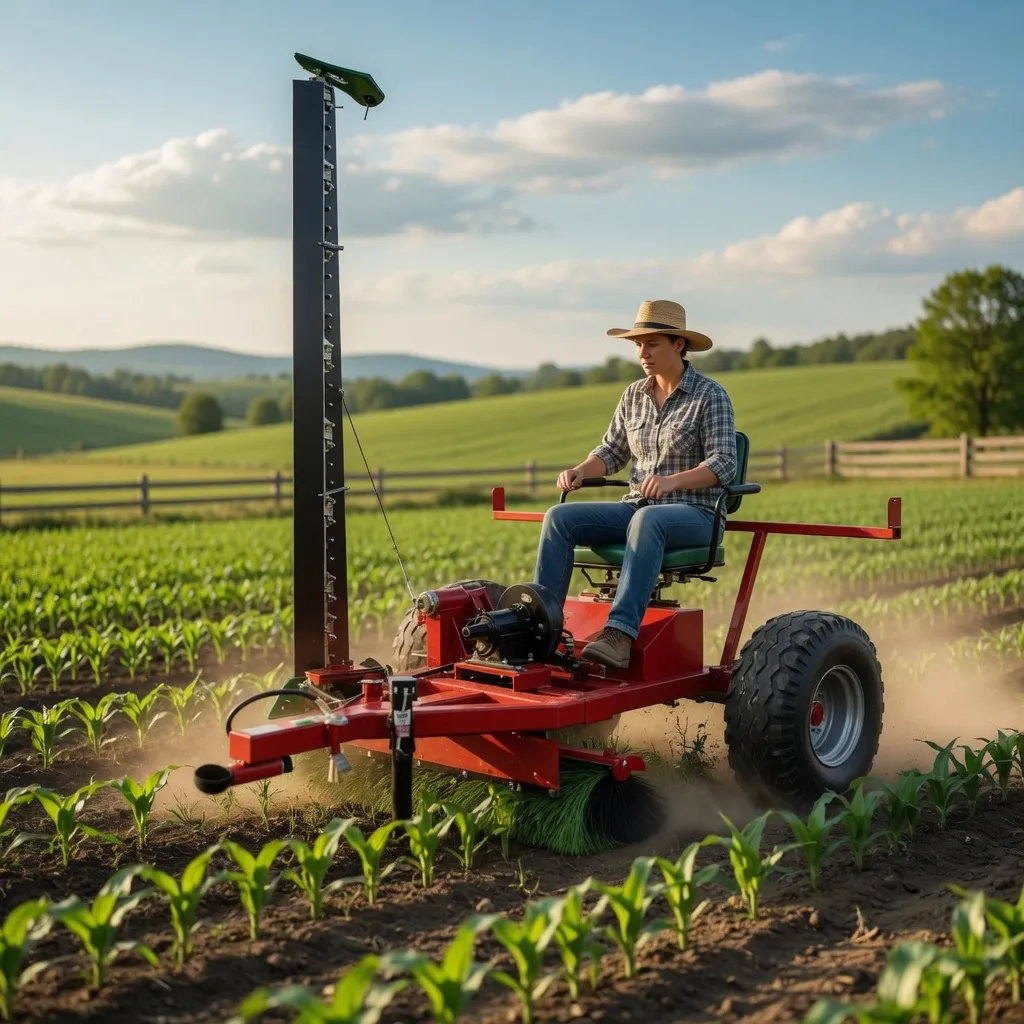
Dew is the most predictable source of surface moisture in Australian baling conditions. Forage that was at 45 per cent moisture at four in the afternoon may read 65 per cent by six the following morning because overnight dew has condensed on the outer layer of the windrow. That outer layer is the first material the pickup contacts, and if it is saturated, it clogs the tines before the drier material underneath has a chance to dilute the moisture load. The practical lesson is straightforward: do not start baling until the dew has burned off. In summer, that may be as early as nine in the morning. In autumn, it may not happen until eleven.
The other end of the window matters too. If rain is forecast and you are baling silage at target moisture, the question is whether you can finish the paddock before the rain arrives. If the answer is no, it is better to stop and wrap what you have than to push into increasingly damp conditions, plug twice, and end up with half-formed bales that cannot be wrapped properly. A completed, well-shaped bale wrapped within two hours of baling retains far more nutritional value than a bale that was forced through a plugged machine, ejected misshapen, and then wrapped poorly because the film could not seal against the uneven surface.
Mechanical Adjustments for Wet-Crop Baling
On belt balers, reduce belt tension by one or two increments to allow crop to slide more freely into the chamber. On chain-and-slat balers, check that slats are not worn smooth, which increases friction with wet material.
Open the crop guard one to two notch positions beyond the dry-crop setting to give the heavier, stickier forage room to pass over the pickup tines and into the feed mechanism.
Drop the gauge wheels one or two positions so the tines reach the base of the compressed, wet windrow instead of skimming over the top.
Replace bent or broken tines before starting. Carry a full set of shear bolts — wet-crop baling shears bolts more frequently than dry-crop baling because of the higher forces involved.
The gap between the feed rotor and the floor plate should be within manufacturer specifications. A worn floor plate with excessive clearance allows wet crop to jam underneath the rotor.
Lower the target bale density by 10 to 15 per cent compared to dry-crop settings. Wet crop is already heavier, and excessive compression in the chamber slows rotation and invites a plug.
The Role of Variable Chamber Balers in Wet-Crop Handling
Fixed-chamber balers form a bale against a rigid set of rollers. The crop must fill the entire chamber before the bale begins to rotate uniformly, which means the initial feed phase is the most vulnerable to plugging because wet crop entering a partially formed chamber has no rotating mass to pull it in. Variable-chamber balers, by contrast, begin forming a rotating core almost immediately. The belts or chains wrap around whatever material is present, creating a small spinning cylinder that acts as its own intake mechanism. As more material feeds in, the belts expand outward and the bale grows. That continuous rotation from the very first handful of crop gives variable-chamber machines a significant advantage in wet conditions.
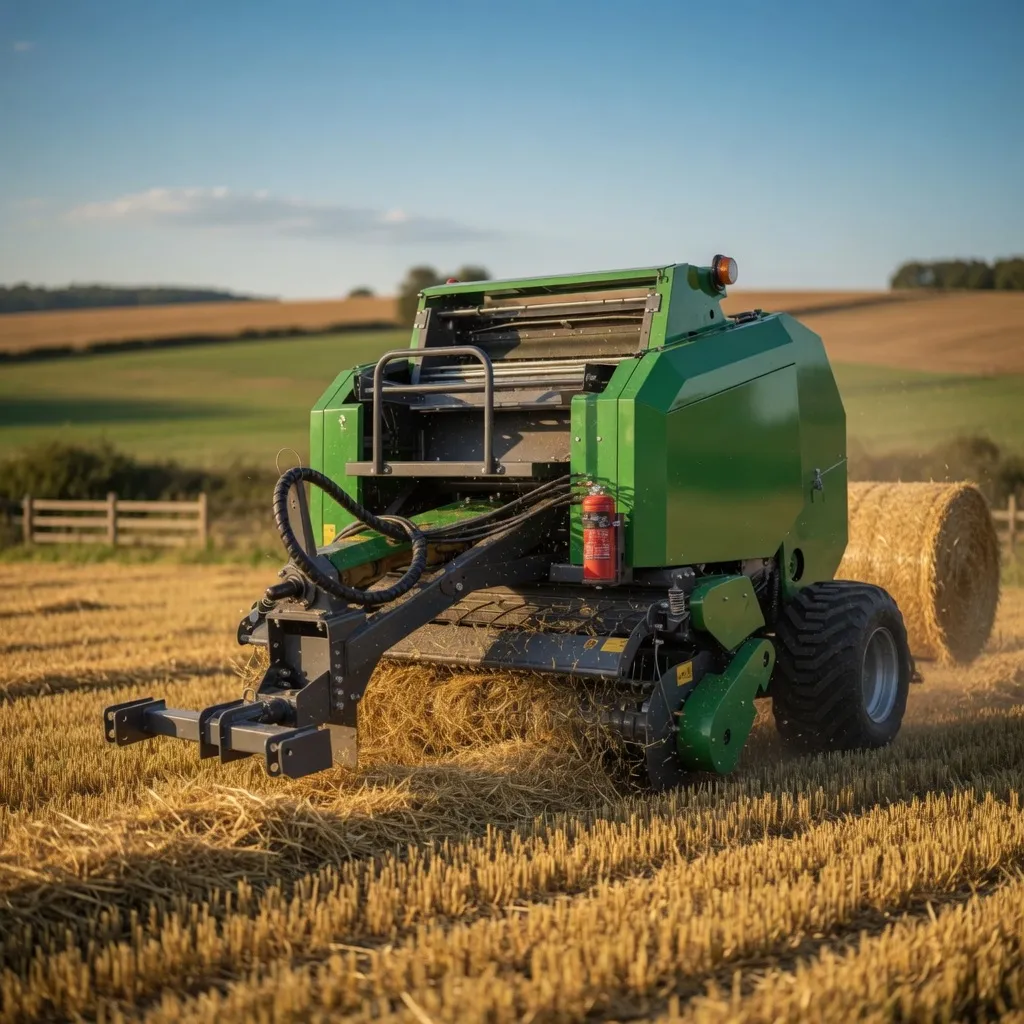
The EverPower 9YG-2.24D Round Baler S9000 uses a variable-chamber design with heavy-duty belts that accommodate crop moisture fluctuations throughout the baling day. Its wide pickup with closely spaced tines handles dense, wet windrows without the gap issues that plague narrower pickups, and the hydraulically controlled density system lets you back off compression pressure on the fly when conditions change. For operations that regularly bale silage-moisture forage or work in regions with unreliable drying weather, a variable-chamber baler is the most effective hardware solution to chronic plugging problems.
Clearing a Plug Safely When Prevention Fails
Even the best operator in the best conditions will eventually encounter a plug. The procedure for clearing it safely is as important as the prevention techniques. First, stop forward motion immediately. Do not try to power through a plug by increasing throttle — this forces more material into an already blocked mechanism and makes the plug denser and harder to remove. Second, disengage the PTO. Third, shut off the tractor engine and remove the key. Never reach into a pickup, feed rotor, or chamber with the PTO still engaged, even if it appears stationary. Stored energy in twisted belts or compressed springs can release without warning.
Once the machine is safe, identify the location of the plug. Most plugs occur at the pickup, between the pickup and the pre-chamber, or at the first roller. Pull material out in the reverse direction of normal flow — that is, out toward the rear of the baler rather than trying to push it through. Use a hook or pry bar rather than your hands if the material is compacted. Inspect for bent tines, sheared bolts, or damaged floor plates before restarting. Replace any damaged components immediately. A bent tine that passed through one plug will cause the next plug because it no longer matches the spacing and trajectory of the other tines.
Long-Term Strategies for Wet-Climate Operations
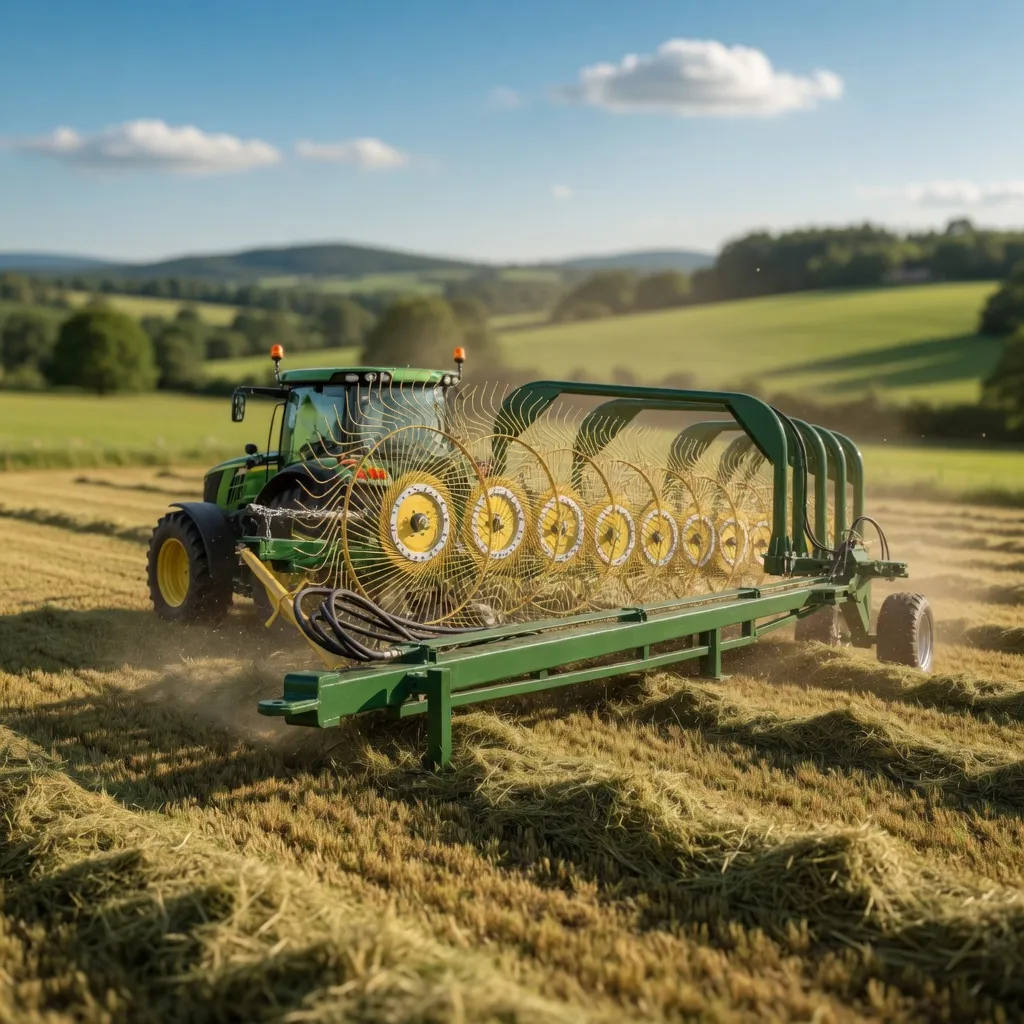
If your region regularly delivers narrow wilting windows and high-moisture baling days, the prevention strategy extends beyond field technique to equipment selection and paddock management. Investing in a mower-conditioner rather than a plain disc mower accelerates wilting by cracking stems and exposing the interior of the plant to air flow. A tedder pass four to six hours after mowing can remove surface moisture and reduce average crop moisture by ten to fifteen percentage points in a single operation. Both of those machines cost money, but they pay for themselves in reduced plugging events, fewer shear bolts, less downtime, and higher bale quality. For more insight into handling sheep and wool properties where wet-season feed preparation is critical, see our guide to round baler solutions for sheep and wool farms.
Paddock management also helps. Avoid cutting too low, especially in wet soil conditions, because short stubble picks up mud and soil that adds dead weight and abrasiveness to the windrow. A cutting height of seven to ten centimetres keeps the swath elevated off damp ground and allows air circulation underneath. Drainage improvements in persistently wet paddocks reduce not only crop moisture but also the risk of bogging the tractor and baler, which is a separate but equally expensive problem in wet conditions.
Frequently Asked Questions
27 Harley Crescent, Condell Park NSW 2200
Phone: +61 2 9708 3322 | Email: [email protected]
About Us | Contact Us