The belts inside a variable chamber round baler are the components most directly responsible for bale shape, density, and consistency. They grip the incoming forage, rotate it into a cylindrical core, and apply the compression that transforms a loose windrow into a dense, stable bale. When those belts wear beyond their service limits, the first symptom is not belt failure — it is a gradual decline in bale quality that often goes unnoticed until the problem is severe. Learning to read the early signs of belt wear, and scheduling replacement before quality suffers, is one of the most cost-effective maintenance disciplines a baler owner can adopt.
What Baler Belts Do and Why They Wear
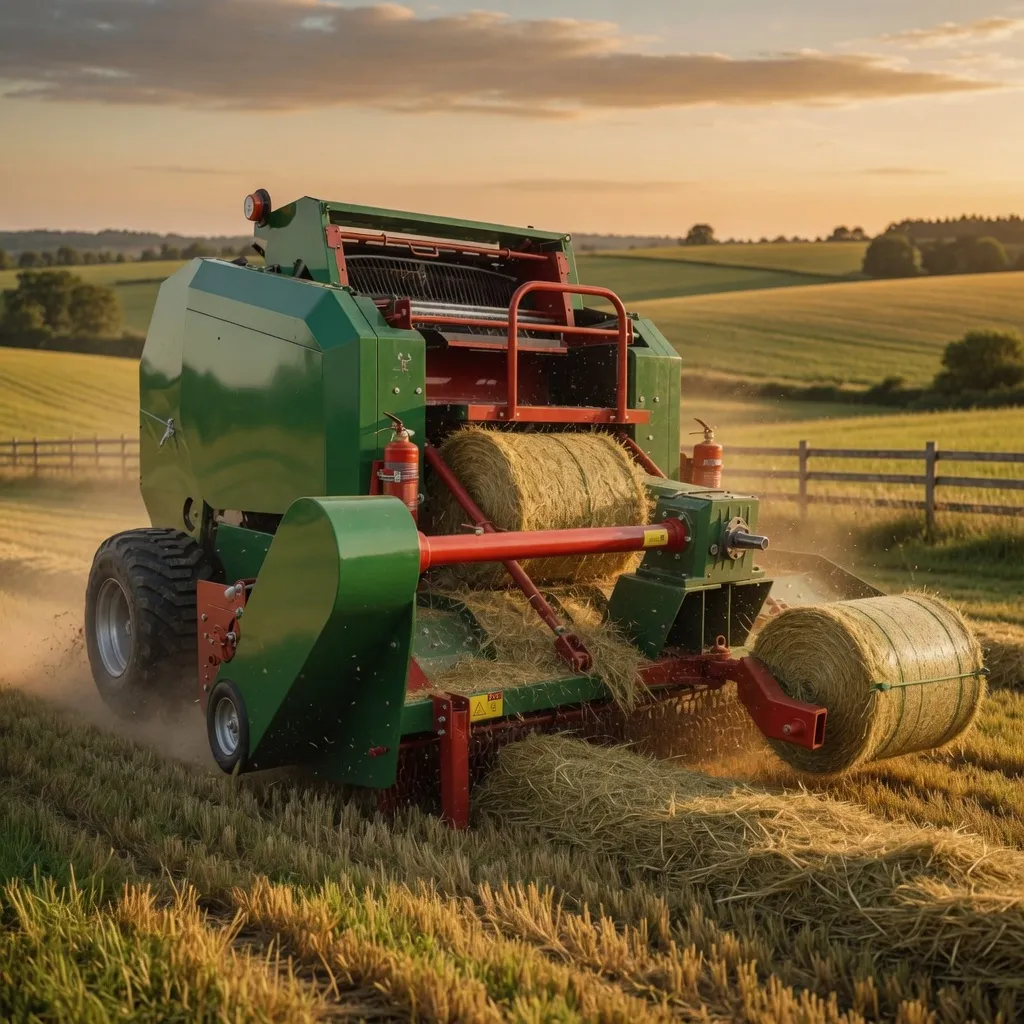
In a belt-type variable chamber baler, multiple parallel belts run around a set of rollers to form the bale chamber. As forage enters the chamber through the pickup, the belts grip the material and roll it progressively into a cylinder. As the bale grows, the belts expand outward, maintaining constant tension against the bale surface. This tension is what creates the compression that produces a dense, well-formed bale.
The belts wear from three sources: abrasion from the forage material passing across their inner surface, flexion fatigue from the continuous bending around rollers, and edge wear from lateral tracking as the belts self-align during operation. Silage crops accelerate abrasive wear because the moisture softens the belt surface and allows fine soil and sand particles carried by the forage to embed and grind. Dry straw accelerates wear through a different mechanism: the brittle stems act as an abrasive dust that penetrates the belt surface texture. Over thousands of bales, these wear mechanisms thin the belt, reduce its grip, and weaken the structural integrity that maintains consistent tension.
Five Warning Signs That Belts Need Replacement
Average Belt Life: What to Expect
Belt lifespan varies with material baled, operating conditions, and maintenance discipline, but general benchmarks provide a useful planning framework. Under typical Australian mixed-farming conditions — a combination of grass silage, cereal silage, and dry hay through the season — a set of quality replacement belts typically produces 8,000 to 15,000 bales before requiring replacement. Contractors baling primarily wet silage with soil contamination may reach the lower end of that range; owner-operators baling clean, dry hay may exceed the upper end.
In seasonal terms, a farm producing 500 to 800 bales per year will typically replace belts every 12 to 20 years if the baler is well-maintained. A contractor producing 3,000 to 5,000 bales per year may replace belts every 2 to 4 years. Recording bale counts per season provides the data needed to predict replacement timing and order belts before the season when they will be needed, avoiding the mid-season wait for parts delivery.
Inspection Schedule: When and What to Check
Belt inspection should occur at three intervals: pre-season (before the first bale of the year), mid-season (after approximately 500 bales or halfway through the baling programme), and post-season (before the baler goes into storage). Each inspection covers the same checklist, but the purpose differs: pre-season inspection determines whether the current belts will survive the upcoming season; mid-season inspection catches accelerated wear before it affects quality; post-season inspection establishes the baseline for next year’s planning.
The inspection itself requires opening the chamber so that each belt can be examined individually. Check for surface cracking (flex fatigue), edge fraying (tracking wear), smooth or glazed patches (loss of grip texture), exposed reinforcement cords (end of life), and belt thickness relative to the manufacturer’s minimum specification. Measure belt tension with the tensioner set to the operational position — belts that cannot maintain specified tension even at maximum tensioner travel have stretched beyond the adjustment range and need replacement. While the chamber is open, inspect the rollers for bearing roughness, surface scoring, and alignment — worn rollers accelerate belt wear and should be addressed simultaneously.
Extending Belt Life: Practical Maintenance Habits
The single most effective habit for extending belt life is removing crop material from the chamber at the end of every baling day. Residual forage left overnight retains moisture that softens belt surfaces and promotes the adhesion of soil particles that act as grinding paste during the next day’s operation. A compressed air blowdown of the chamber, rollers, and belt surfaces takes 10 minutes and measurably extends belt service life compared with leaving the baler loaded overnight.
Correct belt tracking is the second most important factor. Belts that run off-centre wear unevenly at the edges and can contact the chamber frame, creating abrasion damage that no amount of surface maintenance can offset. Most modern round balers include tracking adjustment points on the roller frames; checking and adjusting tracking at the pre-season inspection prevents the cascading wear pattern that misalignment produces. Belt tension should be verified and adjusted according to the manufacturer’s specification at each inspection — both under-tension (which causes slippage and surface glazing) and over-tension (which accelerates flex fatigue) reduce belt life.
Replace All Belts at Once or One at a Time?
The recommended practice is to replace all belts as a set rather than replacing individual belts as they fail. Belts that have been running together share similar wear characteristics and will fail in sequence — replacing a single belt means the new belt runs alongside worn belts with different grip, tension, and thickness profiles, producing uneven compression and inconsistent bale shape. A full set replacement restores the chamber to uniform performance across all belt positions and resets the maintenance clock to a single date for future planning. The cost difference between replacing one belt and replacing the full set is substantially less than the cost of a second workshop visit to replace the remaining belts that will fail within the following weeks.
Recommended Product: EverPower 9YG-1.25 Round Baler
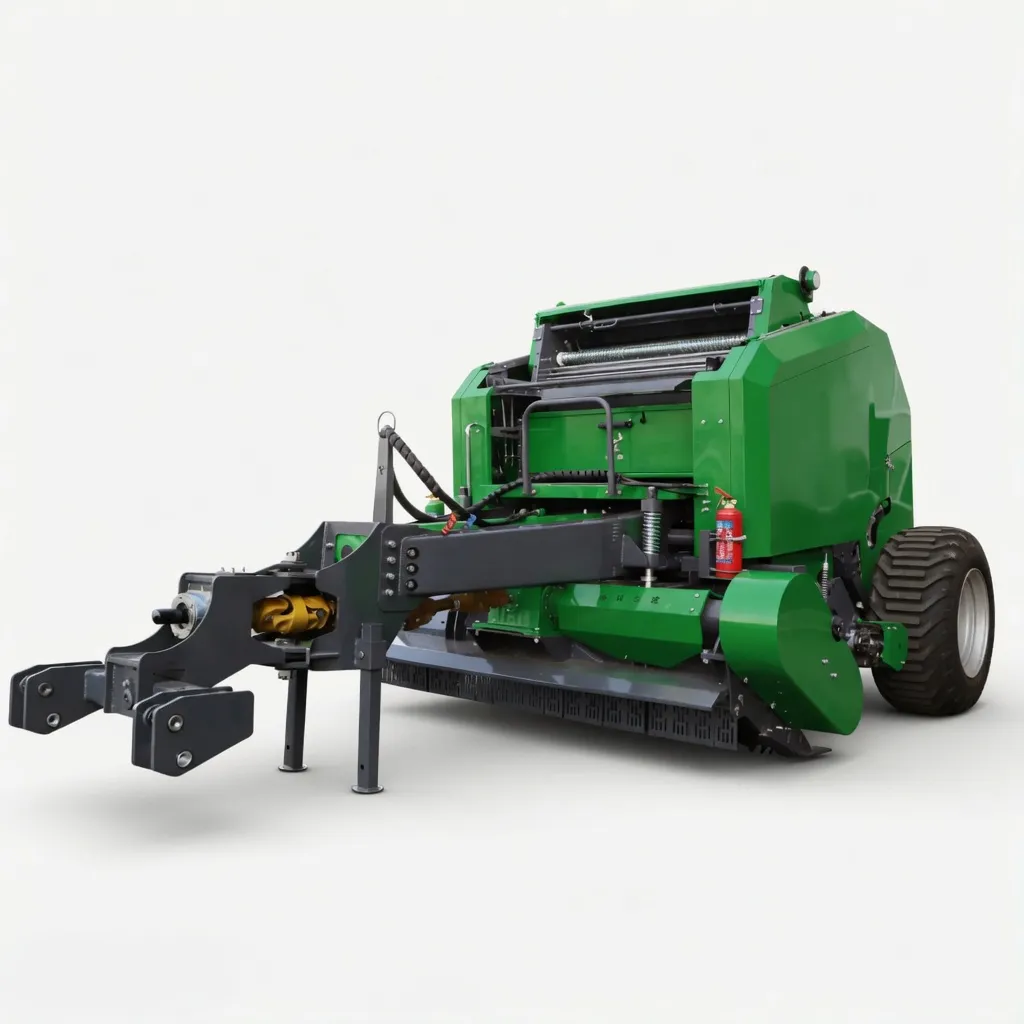
The EverPower 9YG-1.25 Round Baler uses a belt-type variable chamber designed for ease of inspection and belt replacement. The chamber opens fully for visual and hands-on belt inspection without requiring special tools, and the roller frames include accessible tracking adjustment points that simplify the alignment checks described above. Belt sets are stocked at EverPower’s Condell Park depot for same-day dispatch, ensuring that planned replacement or emergency replacement during the season does not result in extended downtime waiting for parts.
Related reading: Find spare parts quickly when belt replacement is needed: Where to Buy Silage Baler Spare Parts with Fast Delivery.
EverPower Baling Machinery Australia Pty Ltd
27 Harley Crescent, Condell Park NSW 2200
+61 2 9708 3322
[email protected]
Frequently Asked Questions
27 Harley Crescent, Condell Park NSW 2200 | +61 2 9708 3322 | [email protected]
About Us | Contact Us