Description
Product Specifications
| No. | Parameter | Unit | Specification |
|---|---|---|---|
| 1 | Model Name | — | 9GL-2.5/2.9 Traction Mower-Windrower |
| 2 | Hitching Method | — | Traction Type |
| 3 | Cutter Structure | — | Reciprocating Type |
| 4 | Cutting Width | m | 2.5 |
| 5 | Windrowing Width | m | 2.9 |
| 6 | Operation Speed | km/h | 6–7 |
| 7 | Productivity — Mowing | hm²/h | 1.2–1.44 |
| 8 | Productivity — Windrowing | hm²/h | 1.5–1.8 |
| 9 | Average Cutting Height | mm | 60–70 |
| 10 | Matching Power | kW | 25–55 |
| 11 | PTO Speed | r/min | 540 |
| 12 | Machine Weight | kg | 920 |
| 13 | Number of Rake Teeth | pcs | 42 |
| 14 | Rake Tooth Spacing | mm | 71 |
| 15 | Number of Moving Blades | pcs | 34 |
| 16 | Transport Dimensions (L×W×H) | mm | 3100 × 2920 × 2900 |
| 17 | Working Dimensions (L×W×H) | mm | 3100 × 5000 × 950 |
Product Overview
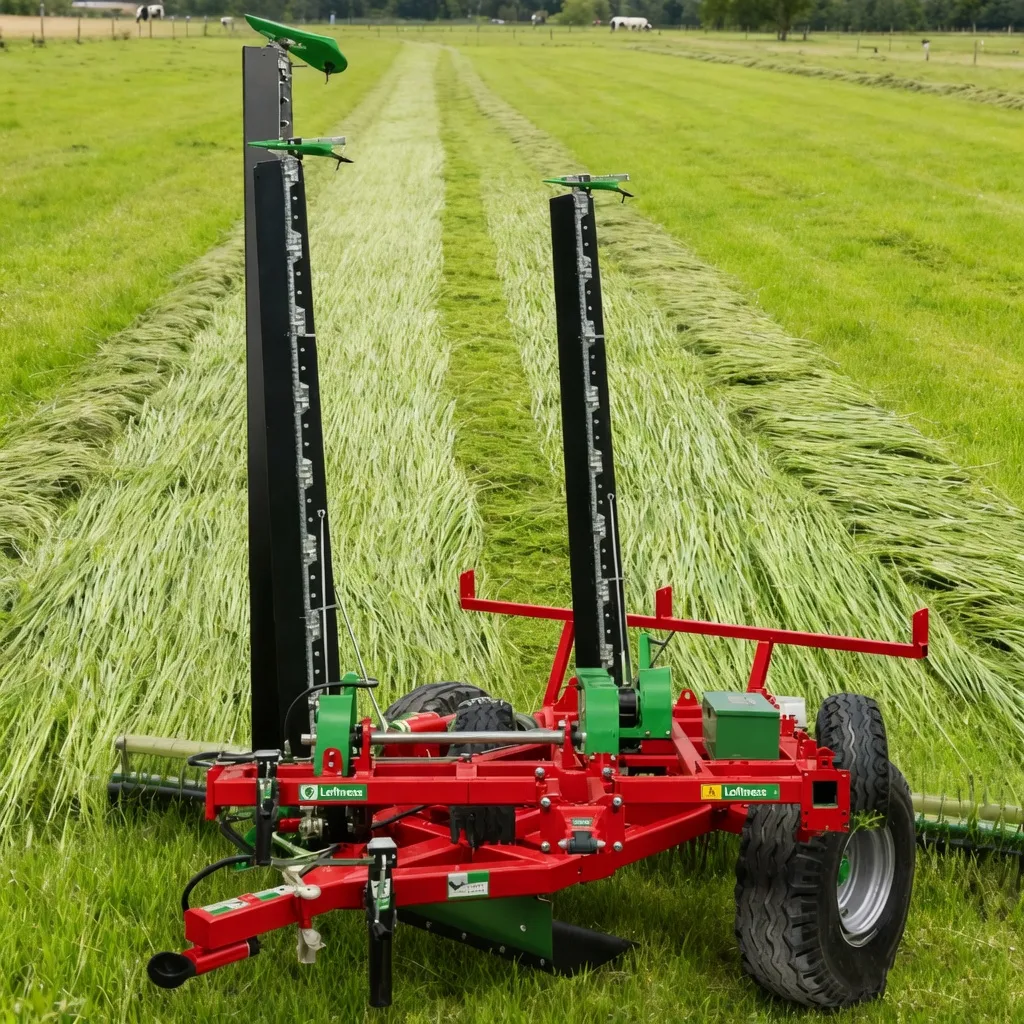
The standard approach to hay and silage production runs two separate field operations: first, the mower cuts and lays a wide swath; then the rake comes through later to consolidate that cut material into a narrower, baler-ready windrow. Two passes, two sets of tractor hours, two opportunities for weather to interrupt the process. The 9GL-2.5/2.9 Traction Mower Windrower collapses those two operations into one: the reciprocating cutter cuts at 2.5 m, and the integrated 42-tooth rake immediately consolidates the cut material into a 2.9 m windrow behind the machine. One pass, one operator, both tasks done.
The machine is sized for the 25–55 kW tractor range — tractors that are common across mid-size Australian farms, hobby properties, and smaller grazing operations that cannot justify the power and capital cost of a full mower-conditioner. The 920 kg machine weight and 540 rpm PTO suit the compact-to-mid utility tractors that run these operations: Kubota M Series (25–50 kW), John Deere 3 and 4 Series (25–50 kW), Massey Ferguson 4700 Series (30–55 kW), and New Holland T4 Series (30–55 kW) are all compatible.
Productivity runs 1.2–1.44 hm²/h in mowing mode and 1.5–1.8 hm²/h in windrowing mode at 6–7 km/h working speed. That covers 12–18 ha per day in a full operating session — a practical daily output for the farm producing 200–800 bales per season from mixed pastures, oaten hay, or light cereal crops. The 60–70 mm cut height protects pasture regrowth across repeated cuts, and the transport configuration at 3,100 × 2,920 × 2,900 mm is road-registerable without an oversize-load permit on rural roads.
Core Features — The Two-in-One Advantage
Single-Pass Cut and Windrow — Halving Field Time
The economic case for a combined mower-windrower rests on a single calculation: how many tractor hours does the second pass cost per season? On a farm mowing 80 ha of hay per year, a separate raking pass adds approximately 50–60 tractor hours at 1.5–1.8 ha/h with a conventional rake — equivalent to 5–6 full working days of additional tractor time beyond the cutting pass. The 9GL-2.5/2.9 eliminates those hours entirely. For owner-operators where the tractor operator’s time is the farm’s scarcest resource during the harvest window, that saving is not theoretical.
42-Tooth Integrated Rake — Windrow Quality Without a Second Machine
The 42 rake teeth are positioned immediately behind the cutting bar, with 71 mm tooth spacing that gathers cut material cleanly across the full 2.5 m cutting width and consolidates it into a 2.9 m windrow. The wider 2.9 m windrow versus the 2.5 m cutting width reflects the rake’s outward sweep geometry — it gathers more surface area than the cutter covers, pulling in any material that falls outside the direct cutting path. This wider-than-cut windrow is actually desirable for wilting: a 2.9 m windrow exposes more cut surface area to air and sun per unit length of paddock than a narrower one, which accelerates moisture loss and reduces the time between cutting and baling.
Reciprocating 34-Blade Cutter — 60–70 mm Clean Height
The same proven reciprocating cutting mechanism used in the 9GD-2.5 standalone mower delivers a clean, consistent 60–70 mm cut across the full 2.5 m width. The shearing action produces stem ends that heal faster and present less fungal entry point than the torn ends a rotary cutter produces on thick grass at lower forward speeds. On perennial ryegrass and mixed pasture that will be mown three to four times per season, cut quality at each mowing directly influences regrowth rate and yield at the subsequent cut.
25–55 kW Power Range — Mid Tractor Territory
The 25–55 kW requirement covers the tractors that mid-size Australian farms actually run day-to-day. At the lower end — a 27 hp Kubota or Mahindra — the machine operates at the lower end of the forward-speed range on moderate pasture density. At 40–55 kW, the full 6–7 km/h range is available on heavy crop without approaching the machine’s PTO load ceiling. The 540 rpm PTO standard suits this tractor class consistently without requiring a speed adapter.
920 kg — Road-Registerable Without Oversize Permit
The 920 kg machine weight sits well within the tow-weight capability of tractors at the lower end of the power range, and the 3,100 × 2,920 × 2,900 mm transport configuration is within the standard road-legal width limit for rural roads on all Australian states without a permit. Moving between paddocks via farm laneways or rural roads requires no special preparation — unhitch, fold to transport, and go.
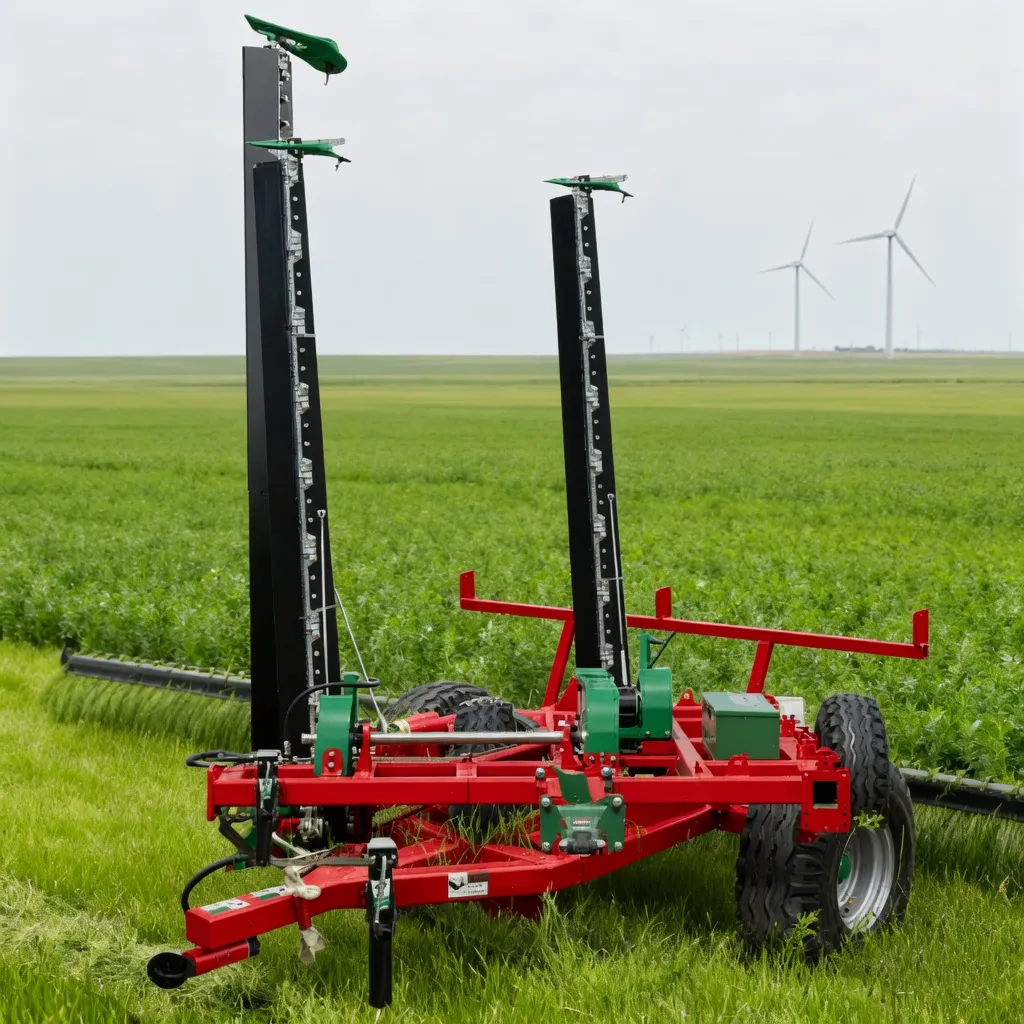
How the 9GL-2.5/2.9 Works
The 34-blade reciprocating cutter engages at 540 rpm PTO and cuts crop cleanly at 60–70 mm height across the full 2.5 m working width. Forward speed of 6–7 km/h delivers clean cutting without overloading the blades.
Cut material passes directly to the 42-tooth rake section positioned immediately behind the cutter bar. The rake consolidates the cut swath into a 2.9 m windrow in a single continuous motion — no waiting, no second pass.
The wider 2.9 m windrow maximises cut-surface exposure to sun and air for faster wilting while keeping material in a coherent windrow that the baler pickup can handle cleanly. Windrow density is consistent because the rake feeds from the cutter continuously rather than gathering and releasing in batches.
The conditioned windrow wilts to target moisture. The baler follows and picks up the 2.9 m windrow in a single pass. No raking pass required before baling — the mower-windrower has already done that work.
One operational detail that first-time users notice: the 9GL-2.5/2.9 is more sensitive to forward speed than a standalone mower because the rake section needs consistent material flow to maintain windrow uniformity. At 6 km/h on thick grass, the windrow is dense and even. At 7 km/h, slightly lighter but still well-formed. Above 7 km/h, windrow uniformity begins to suffer on heavy crops. Staying within the rated speed range is the single most important operating discipline with this machine.
Applications — One Machine Across the Forage Calendar
Mixed Pasture — Multiple Annual Cuts
The farm mowing ryegrass, clover, and mixed native pasture four to five times per year gets the largest benefit from combined mow-and-windrow: every cut saves a full raking pass, and the saving compounds across the season. On a 30 ha farm making four cuts, the avoided raking passes add up to roughly 80 tractor hours and 240–300 km of paddock travel per season. That figure includes fuel, tractor wear, and operator time — all genuinely recaptured by the single-pass approach.
Oaten Hay & Cereal Crops — Single-Cut Operations
For farms producing oaten hay or cereal-crop hay in a single annual cut, the time-saving advantage is smaller in absolute terms but the simplicity benefit remains. One machine handles both mowing and windrowing on the day’s cut, freeing the operator from scheduling a return raking pass on the following day. On farms where weather-window timing is critical, removing the raking pass from the sequence genuinely reduces the minimum time-to-bale from cut.
Small Silage Blocks — 1–15 ha
Small silage blocks on lifestyle farms, horse properties, and beef hobby farms typically make one or two cuts per year. The 9GL-2.5/2.9 handles these blocks in a morning’s work at the 1.2–1.44 hm²/h mowing rate, leaving the afternoon for the baler to follow. For operations of this scale, owning both a standalone mower and a separate rake represents an overcapitalisation that the combined machine avoids — one purchase, one storage space, one service schedule.
Neighbourhood Machinery Groups
Groups of farmers sharing equipment find that a single 9GL-2.5/2.9 serves multiple properties across the mowing season without the scheduling complexity of coordinating a mower and a rake as separate machines. The combined machine moves between properties on a single float trip, and any farm in the group with a 25+ kW tractor can run it.
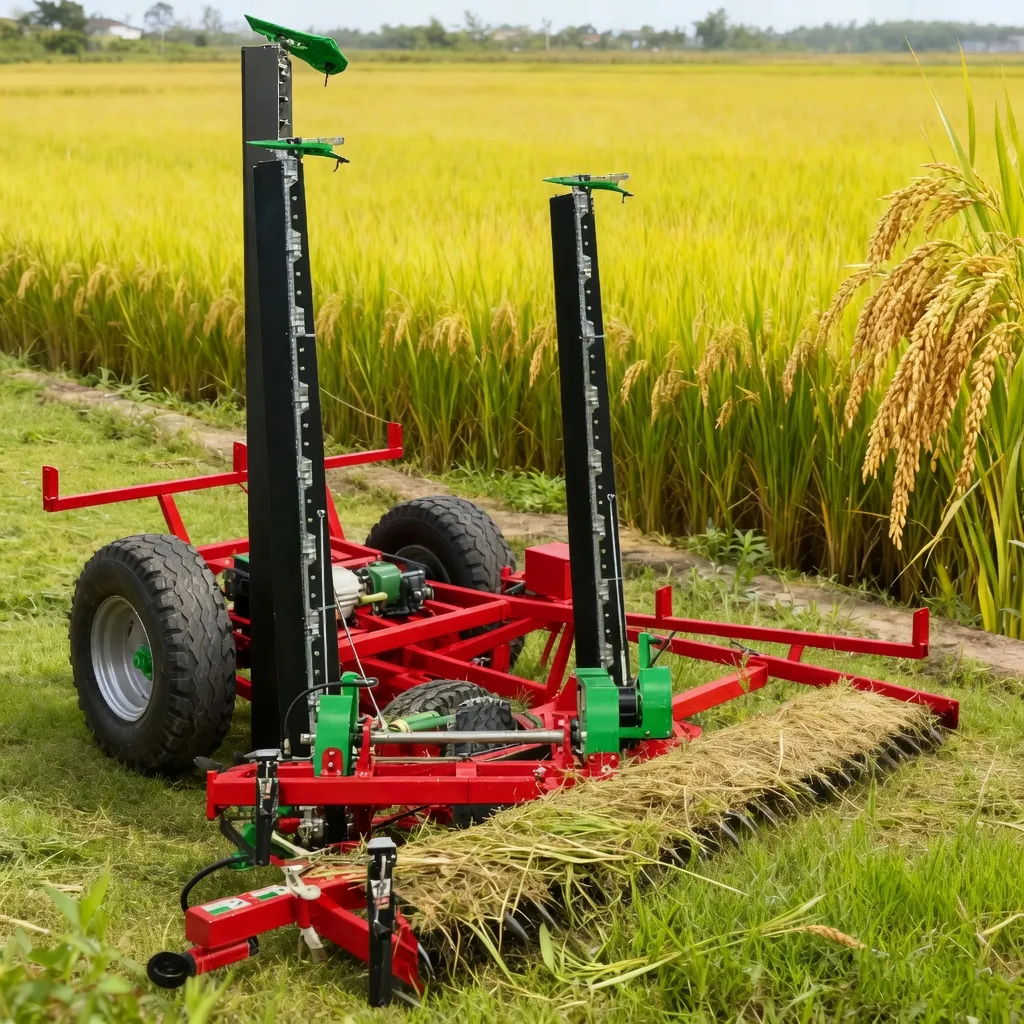
Maintenance — Cutter Bar and Rake Together
Before Each Use
Inspect the 34 cutter blades for chips or cracks. Check the 42 rake teeth for bending — a bent rake tooth disrupts windrow formation at its position and produces a gap in the consolidation that is visible in the windrow. Bent rake teeth can be straightened with a heavy wrench if caught early, or replaced from the spare set. Grease the two main PTO input nipples and the rake drive gearing.
Every 20 Operating Hours
Check blade edge condition and sharpen any blade at or past the wear threshold. Inspect the rake tooth mounting bolts for loosening — the rake section vibrates at working speed and tooth mounting bolts can work loose on rough paddocks. Torque to specification. Clean the rake tooth section of any hay or grass accumulation, particularly around the tooth root — packed material at the root changes the effective rake angle and reduces windrow consolidation quality.
End of Season
Replace all 34 cutter blades as a set, sharpen or replace all 42 rake teeth. Inspect the cutter bar for straightness and the rake frame for any frame cracks at the weld points, particularly at the cutter-to-rake frame junction where stress concentrates during combined operation. Store with cutter bar lowered. EverPower holds blade sets, rake tooth sets, and PTO drive components at Condell Park for next-day east coast delivery.
Why the 9GL-2.5/2.9 Makes the Most of Every Tractor Hour
Eliminates the raking pass entirely — 30–50% fewer tractor hours for the cutting phase of hay production.
Wider than the cutting width — better wilting surface exposure, cleaner baler pickup.
Works with the compact-to-mid tractors that most smaller Australian farms already run without a dedicated mowing tractor.
Transport configuration within standard road-width limits. Move between paddocks without an oversize permit.
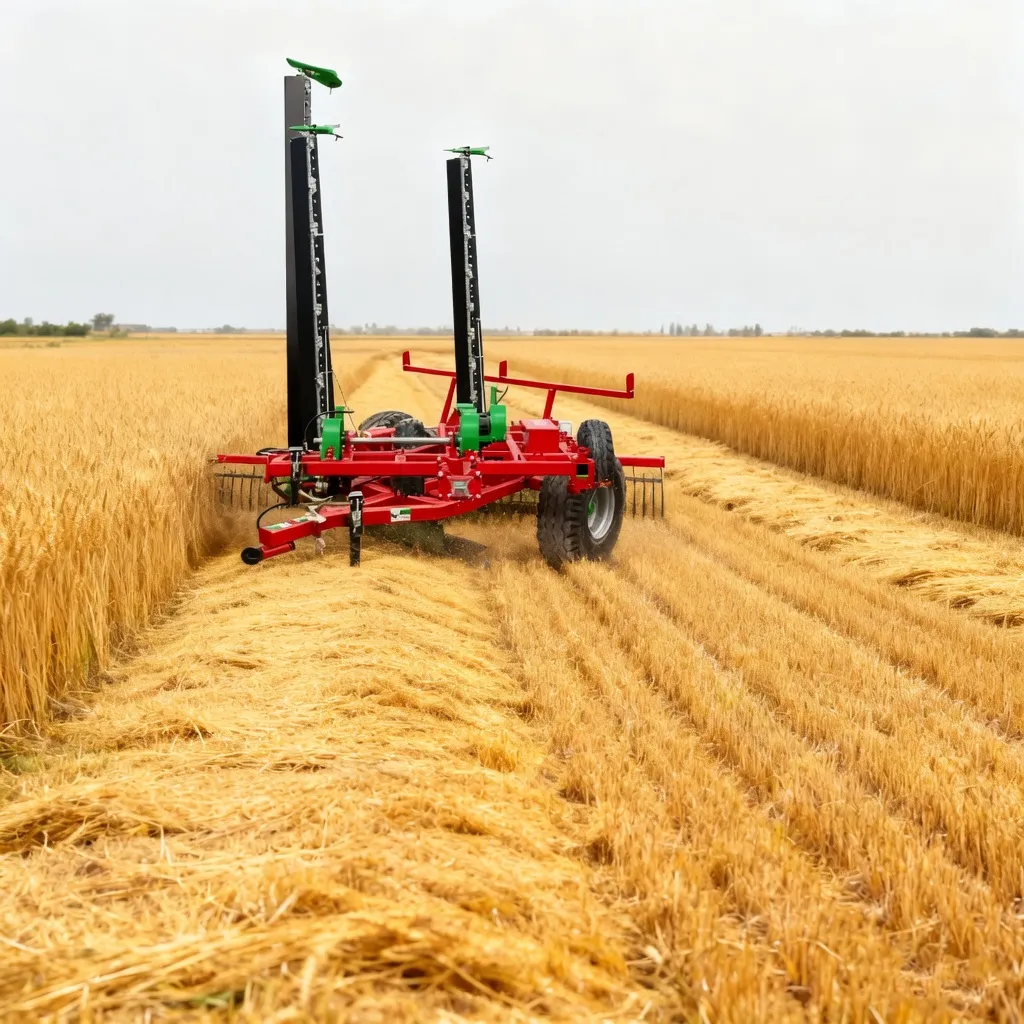
About EverPower Baling Machinery Australia
EverPower Baling Machinery Australia Pty Ltd — 27 Harley Crescent, Condell Park NSW 2200 — is the direct Australian arm of an ISO 9001-certified manufacturer operating a 32,000 m² factory with 180 staff and a dedicated R&D centre. Every machine carries a genuine Australian warranty administered locally, with spare parts stocked for 72-hour national delivery.
📞 +61 2 9708 3322 | ✉️ [email protected] | silage-baler.com/about-us
Frequently Asked Questions
Cut the Work in Half — Literally
Contact EverPower Australia for pricing and availability on the 9GL-2.5/2.9 and the rest of the forage equipment range.