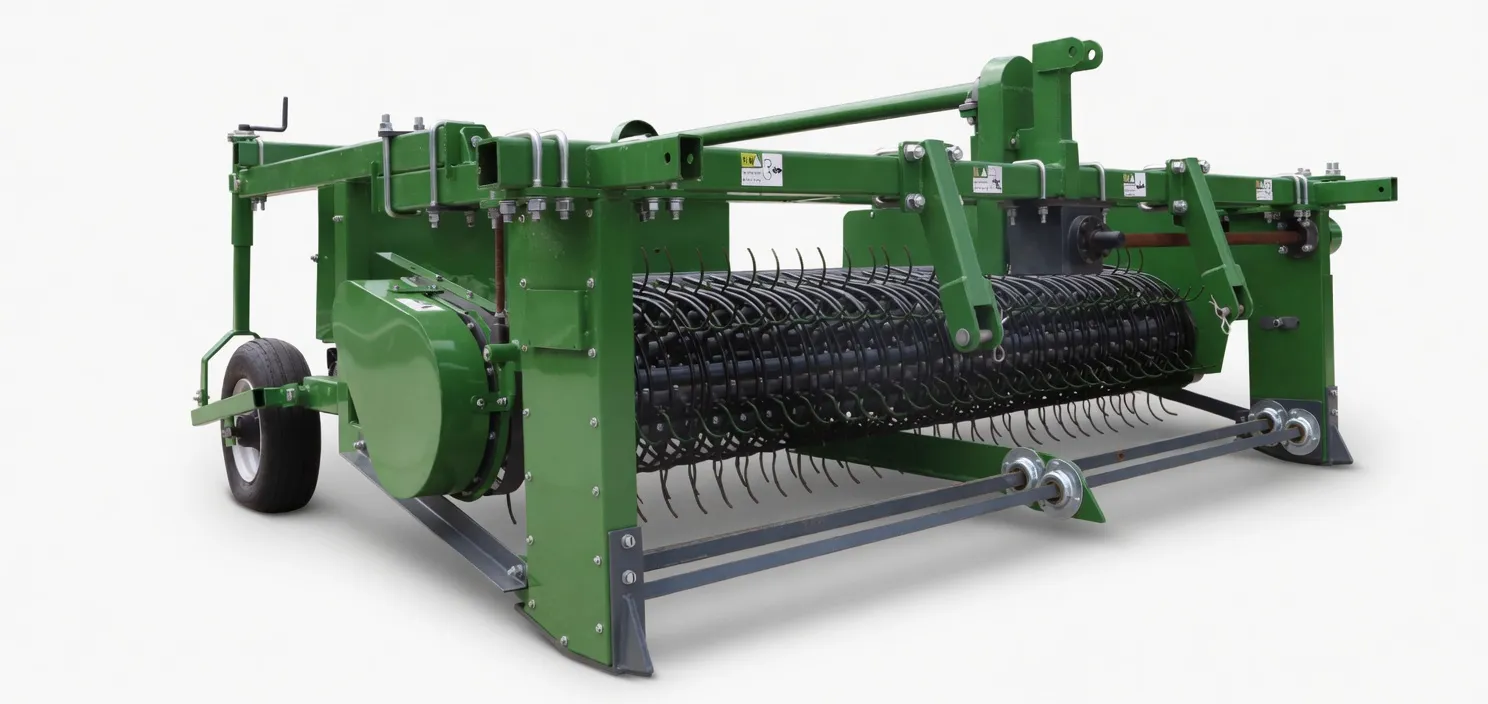
Description
Product Specifications
| No. | Parameter | Unit | Specification |
|---|---|---|---|
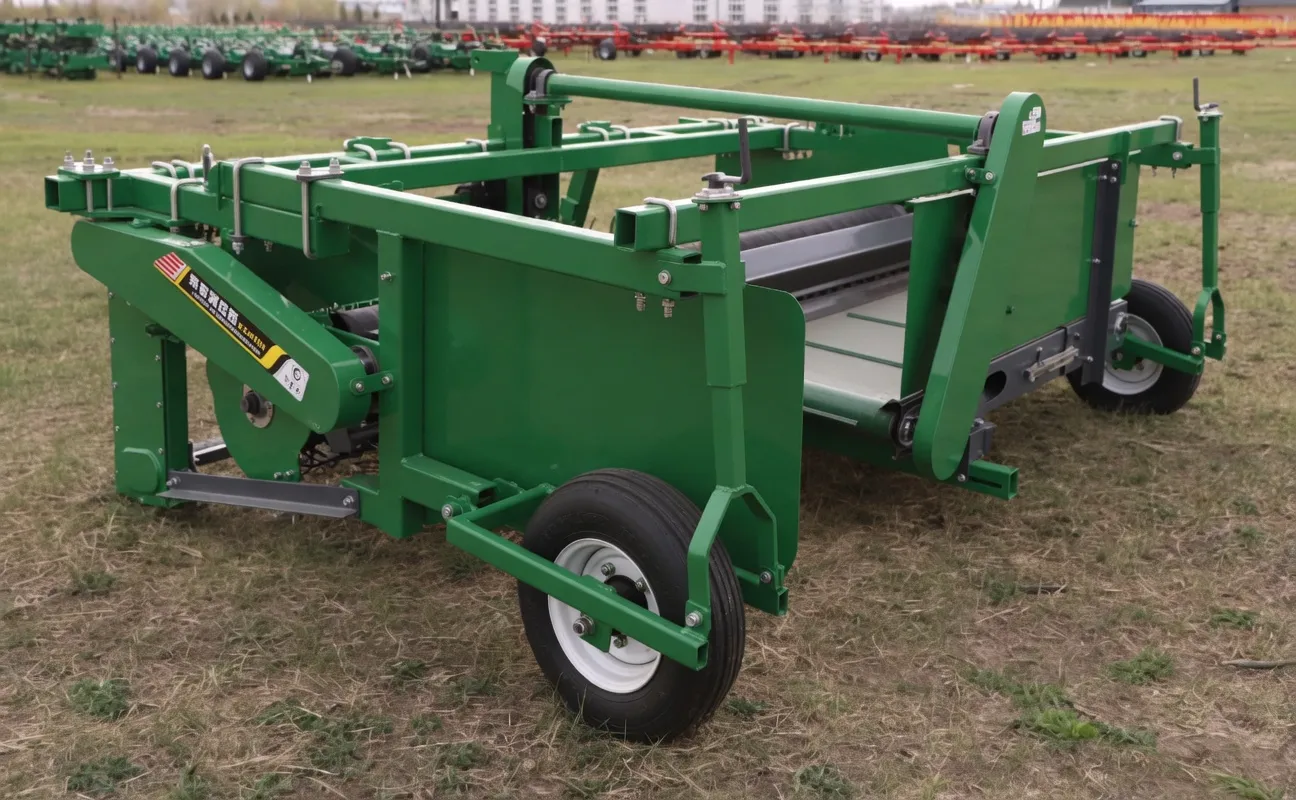
| 1 | Model Name | — | 4BYH-2.6 Kidney Bean Puller |
| 2 | Hitching Method | — | Suspension Type |
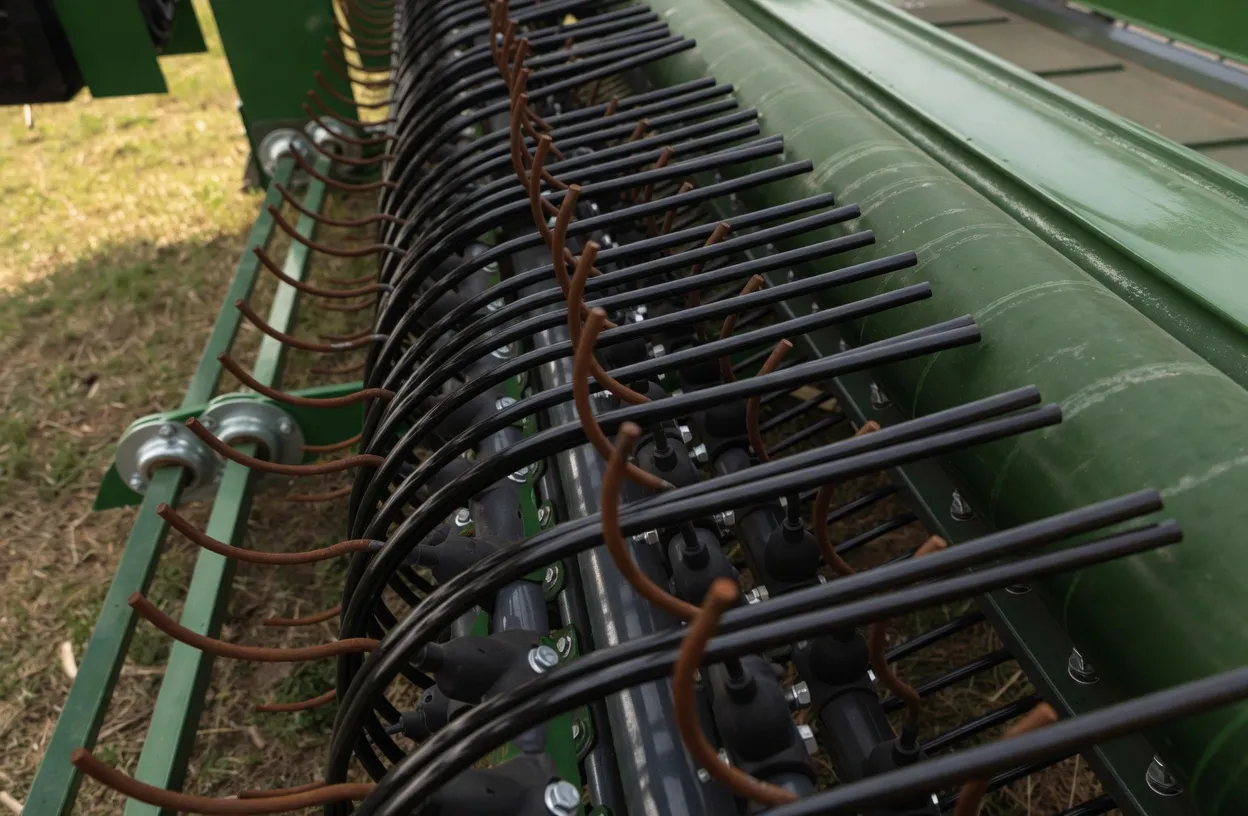
| 3 | Picker Type | — | Spring Tooth Type |
| 4 | Working Width | m | 2.6 |
| 5 | Matched Power | kW | 66–88 |
| 6 | Operation Speed | km/h | 6–10 |
| 7 | Overall Dimensions (L×W×H) | mm | 2333 × 2870 × 1182 |
| 8 | PTO Speed | r/min | 540 |
| 9 | Wheel Track | mm | 2,600 |
| 10 | Productivity | hm²/h | 1.56–2.6 |
| 11 | Operators | person | 1 |
| 12 | Structural Mass | kg | 1,100 |
Product Overview
Scaling up from the 4BYH-1.3 to the 2.6 Model does more than double the working width — it shifts the entire operational context. At 2.6 m working width, 66–88 kW power requirement, and 1.56–2.6 hm²/h productivity, the 4BYH-2.6 is a commercial-scale machine for bean producers managing 20–200+ ha of annual crop. The doubled width means half the number of passes for the same paddock area; the faster 6–10 km/h operating range means 25% more distance covered per hour at equivalent precision. A 50 ha paddock that takes 15 operating hours with the 1.3 m takes approximately 6–7 hours with the 2.6 m — a difference that compresses the harvest window from two days to one, reducing weather-exposure risk on a crop that must be pulled at the right maturity stage.
The spring-tooth picker system is retained from the 1.3 m, ensuring that the step up in throughput does not sacrifice the gentle pulling action that prevents the root-snap and stem-split losses that rigid-tooth or aggressive fixed-angle designs cause. At 66–88 kW — the power bracket covering John Deere 6110M through 6120R, Case IH Maxxum 110 through 125, and New Holland T6.120 through T6.140 — the 4BYH-2.6 runs behind the primary working tractors on mid-to-large Australian bean farms rather than requiring a dedicated pulling tractor.
The 2,600 mm wheel track is designed for Australian commercial bean row spacings. At 750 mm row spacing, the 2.6 m width covers three to four rows per pass with the wheel track positioned in the inter-row spaces. At 900 mm spacing, the width covers three rows with the tractor slightly offset from the central row. The 1,100 kg structural mass is within the three-point rear-linkage capacity of all compatible tractors in the 66–88 kW class without counterweights on firm soil.
Technical Features — Commercial Throughput, Retained Precision
2.6 m Width — The Commercial Productivity Step Change
Moving from a 1.3 m to a 2.6 m working width is not a linear scaling — the change in daily throughput is multiplicative when forward speed increase is factored in. The 4BYH-2.6 operates at 6–10 km/h versus the 1.3 m’s 5–8 km/h ceiling, meaning the combined effect of wider width and higher speed delivers 3–4x more daily coverage area. A commercial producer harvesting 100 ha of kidney beans — a scale where the 1.3 m would require three to four working weeks — completes the same area in 8–10 working days with the 2.6 m. That timeline compression has direct financial value: it reduces the window during which weather events can disrupt the harvest, and it allows a single puller-tractor combination to service multiple client properties in a contracting operation.
Spring-Tooth at Commercial Scale — Maintained Compliance
Scaling the spring-tooth mechanism to 2.6 m requires careful engineering to maintain consistent tooth compliance across the wider pulling bar rather than simply extending the same design. The 4BYH-2.6’s tooth mounting geometry and spring specification are calibrated for the wider bar’s natural flex characteristics, ensuring that teeth at the outer edges of the 2.6 m bar behave with the same compliance as the centre teeth. This uniformity is what allows commercial-scale operation without a disproportionate increase in harvest losses at the bar extremities — a problem that poorly engineered wide-bar pullers routinely suffer.
66–88 kW — Primary Tractor Compatibility
The 66–88 kW power requirement aligns the 4BYH-2.6 with the primary working tractors on mid-to-large Australian bean farms. This is not a machine that requires a dedicated pulling tractor sitting idle between harvest seasons — the same tractor that runs the planter, the sprayer, and the cultivator through the season pulls the 4BYH-2.6 for the three to six weeks of harvest. That single-tractor versatility reduces the total machinery capital required for the operation significantly compared to a system that needs a dedicated high-power pulling unit.
6–10 km/h Operating Range — Speed and Quality Trade-Off
The 6–10 km/h range gives the operator meaningful speed flexibility that the 1.3 m’s narrower 5–8 km/h range does not. At 6–7 km/h on heavy-rooted plants or clay-loam soils, losses stay in the 2–4% range that commercial operations target. At 9–10 km/h on lighter-rooted plants in sandy soils, losses increase to 5–8% — acceptable on commodity-grade crops where throughput is the priority. The operator’s choice of operating speed is the primary lever for managing the quality-versus-throughput trade-off on each specific field condition, and the 4BYH-2.6 gives more speed range to work with than the smaller model.
Transport Wagon Integration — Direct Field-to-Bin
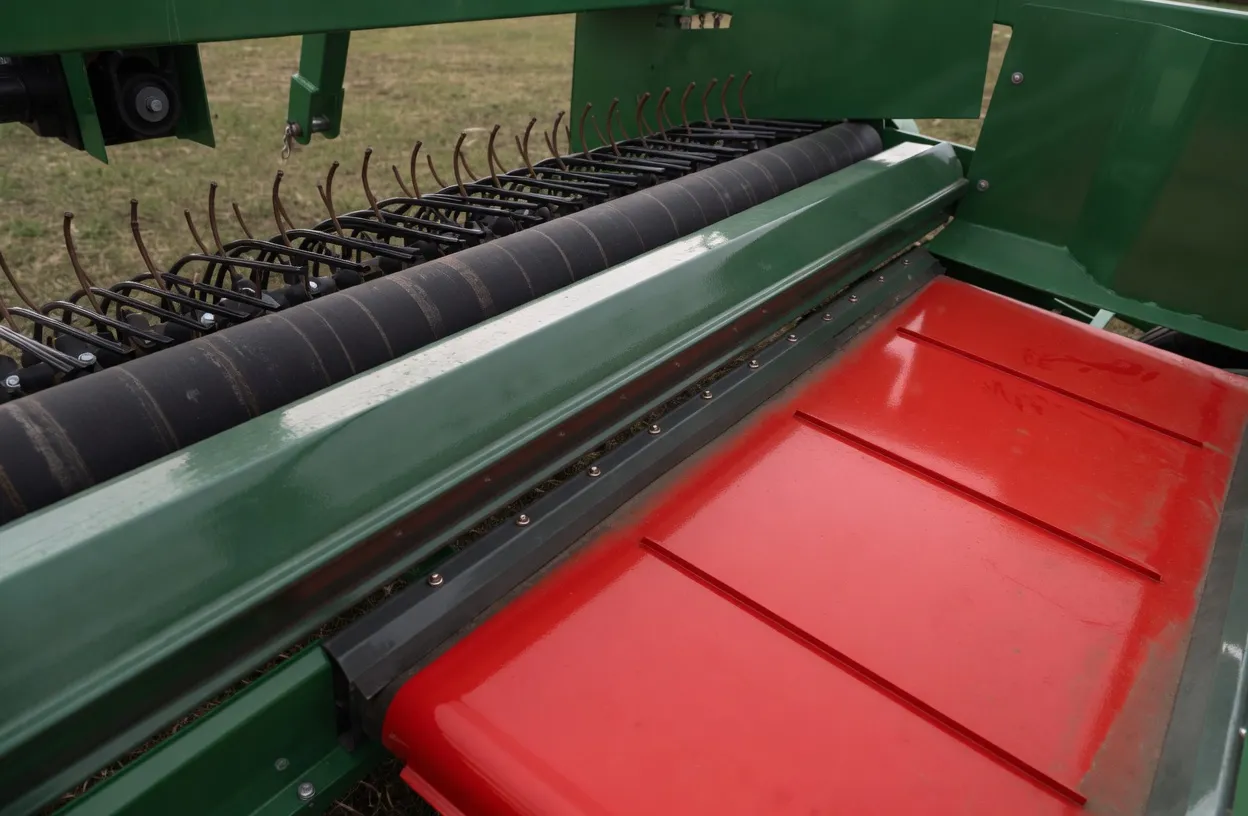
The 4BYH-2.6 integrates with transport wagons for direct field-to-bin operation, pulling plants and depositing them immediately into a following wagon rather than windrowing for later collection. This integration reduces total field operations from three (pull, windrow, collect) to two (pull-and-collect, transport) — a meaningful simplification on large-area commercial operations where each additional field pass adds time, fuel, and compaction exposure.
From Field to Bin — How the 4BYH-2.6 Operates
Set the three-point linkage depth for the paddock’s soil type and root depth profile. The 2.6 m bar depth is set uniformly — adjust the linkage drop position until the first 10 metres of test pulling shows clean whole-plant extraction without root-snap or surface dragging.
Forward motion at the appropriate speed for soil type. Spring teeth engage the root zone, deflect, and pull cleanly upward. All plants across the 2.6 m width are extracted simultaneously in a single tractor pass.
Pulled plants are deposited in a windrow for field drying before combine pickup, or delivered directly to a following transport wagon for immediate removal. The plant deposition geometry is consistent across the bar width for clean windrow formation.
Windrowed plants field-dry to the threshing moisture target before the combine pass. The clean, consistent plant deposition from the 4BYH-2.6 produces a uniform windrow that the combine pickup handles efficiently without over-run or skip.
Commercial operators running the 4BYH-2.6 on multi-day harvests typically establish a field-drying protocol at the start of each season: pull day 1, field dry 1.5–2 days depending on weather, combine day 3–4. The 2.6 m pull rate of 1.56–2.6 hm²/h means the combine schedule is limited by the combine’s own throughput capacity on large operations, not by the puller’s rate.
Applications — Commercial Bean and Legume Operations
Commercial Kidney Bean — 20 to 200+ ha
The primary application is commercial kidney bean production in NSW, Victoria, and SA — operations growing 20–200+ ha annually for fresh market, processing, or export. The 4BYH-2.6 compresses the pull phase of the harvest into a timeline that commercial operations can schedule reliably without engaging contractors for peak-season pulling. At 1.56–2.6 hm²/h, a 100 ha paddock is pulled in 40–65 hours — achievable in a working week with a single tractor and operator.
Navy Bean, Borlotti & Cannellini at Scale
While kidney beans are the primary market for the 4BYH-2.6, the spring-tooth mechanism works equally well on navy beans, borlotti, and cannellini at commercial scale. Australian processors sourcing these beans for supermarket private-label and export markets increasingly specify grower quality standards that include maximum harvest-loss limits — typically 3–6% for processed grades. The 4BYH-2.6 achieves this specification comfortably at 7–8 km/h operating speed on typical soil conditions.
Soybean — High-Value Varieties at Volume
Australia’s expanding food-grade soybean sector — producing tofu-grade, edamame, and specialty varieties for Asian food manufacturers — requires careful pulling to minimise pod shatter losses on high-value crop. The 4BYH-2.6’s spring-tooth action at 6–7 km/h achieves 2–4% losses on soybean, which is acceptable on commodity-grade processing varieties and excellent on food-grade premium varieties where the price differential of $100–200/tonne above commodity makes loss reduction directly profitable.
Contract Harvesting — Multiple Client Properties
Harvest contractors servicing multiple kidney bean producers across a regional area find the 4BYH-2.6’s combination of throughput and transport flexibility efficient for property-to-property scheduling. The machine transports within standard width limits for rural road travel, connects to the contractor’s existing 66–88 kW tractor fleet, and covers enough daily area per property to make single-day client visits achievable on properties up to 15–20 ha — the scale range common among the specialist bean producers that contract pulling services.
Maintenance at Commercial Intensity
Daily at Commercial Operation Pace
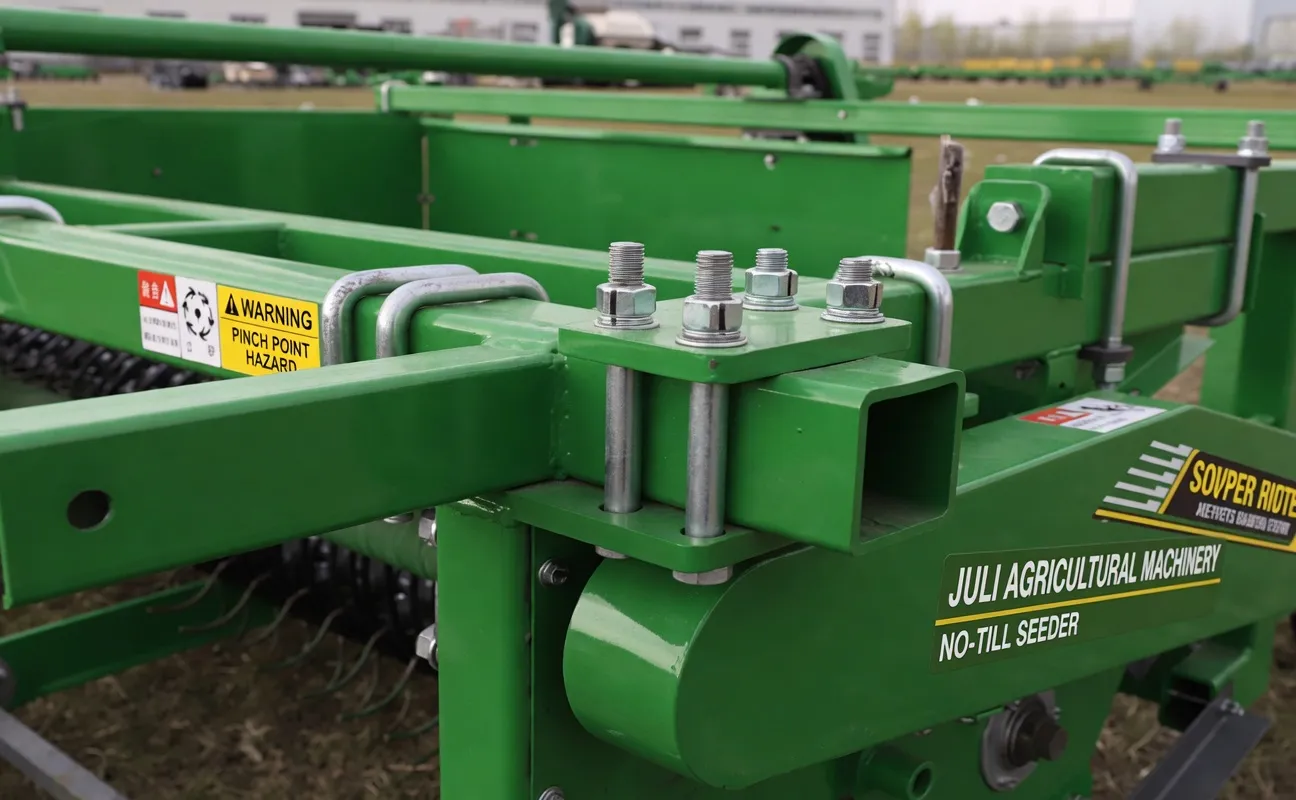
At commercial intensity — 8–10 hour days over 2–4 weeks of harvest season — daily maintenance is more demanding than for light-use operations. Walk the full 2.6 m tooth bar and check all spring teeth for fatigue cracking, permanent set, or bent mounting coils before each shift. Replace teeth in adjacent pairs rather than singly to maintain compliance uniformity across the bar — a stiffer new tooth adjacent to a worn softer tooth creates a locally variable pull force that shows up as a strip of higher losses in the harvested windrow.
Every 30–40 Operating Hours
Inspect the 2.6 m carrier bar for stress cracking at the tooth mounting weld points — at commercial intensity, the cyclic loading across 20–30 teeth on a 2.6 m bar accumulates fatigue faster than on the narrower 1.3 m design. Check the three-point hitch top link and lower link pins for wear; worn hitch pins allow depth variability that directly affects harvest losses. Grease all five lubrication points on the machine’s main pivot joints.
Post-Season
Full tooth replacement on any set showing permanent set or significant wear. Clean and inspect the carrier bar welds. EverPower holds 4BYH-2.6-specification tooth replacement sets at Condell Park for next-day east coast delivery. Machines stored clean and dry between seasons routinely complete 5–8 seasons before major structural service is required.
Why Commercial Bean Growers Specify the 4BYH-2.6
Versus the 1.3 m at equivalent precision. 100 ha pulled in a working week with one tractor.
Compliance maintained across the full 2.6 m bar width. No higher losses at the bar extremities versus the centre.
Runs behind the same tractor used all season — no dedicated puller, no idle machine between harvests.
Pull and collect in one pass. Reduces total field operations and compaction exposure on large paddocks.
| Specification | 4BYH-1.3 | 4BYH-2.6 |
|---|---|---|
| Working Width | 1.3 m | 2.6 m |
| Power Required | ≥ 40 kW | 66–88 kW |
| Operating Speed | 5–8 km/h | 6–10 km/h |
| Productivity | 0.65–1.04 hm²/h | 1.56–2.6 hm²/h |
| Machine Weight | 600 kg | 1,100 kg |
| Rows per Pass | 2 rows (750–900 mm spacing) | 3–4 rows (750 mm spacing) |
| Best For | Small / organic / precision | Commercial / 20–200+ ha |
About EverPower Baling Machinery Australia
EverPower Baling Machinery Australia Pty Ltd — 27 Harley Crescent, Condell Park NSW 2200 — is the direct Australian arm of an ISO 9001-certified manufacturer with a 32,000 m² factory, 180 staff, and a dedicated R&D centre. Every machine carries a genuine Australian warranty administered locally, backed by spare parts stocked for 72-hour national delivery.
📞 +61 2 9708 3322 | ✉️ [email protected] | silage-baler.com/about-us
Frequently Asked Questions
Commercial-Scale Pulling — One Week Per 100 Hectares
Contact EverPower for pricing and availability on the 4BYH-2.6 and to confirm it matches your row configuration, tractor power, and annual crop area.
_0141_01-300x300.webp)